


































































Popular
What motivates Joe Brody to investigate the events at the nuclear power plant?
How does Ford Brody's character develop throughout the film?
What is the significance of the MUTO creatures in the story?
How does Godzilla's appearance impact the characters in the film?
What role does the military play in the conflict against the monsters?
Should I watch it?
Ask Your Own Question

What is the plot?
Sorry, we aren't able to watch and write up a full detailed plot yet. Check back in a few days.


What is the ending?
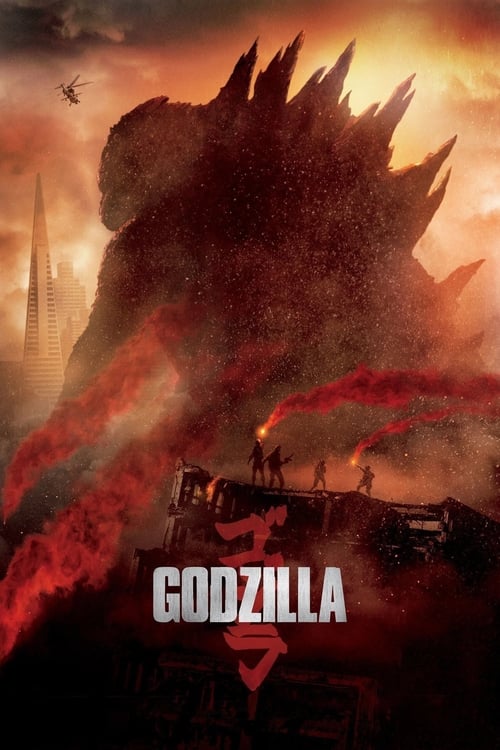
At the end of the 2014 film "Godzilla," the massive creature battles the MUTO (Massive Unidentified Terrestrial Organism) in San Francisco. After a fierce confrontation, Godzilla defeats the MUTO, but the city suffers extensive destruction. The film concludes with Godzilla emerging victorious, returning to the ocean, while the surviving characters reflect on the chaos and loss.
As the climax of the film unfolds, we find ourselves in the heart of San Francisco, where the battle between Godzilla and the two MUTOs reaches its peak. The city is in ruins, skyscrapers toppled, and fires raging as the monstrous creatures wreak havoc. The camera pans over the devastation, capturing the chaos and fear in the eyes of the citizens who have been forced to evacuate.
In the midst of this destruction, Ford Brody, a U.S. Navy officer, is desperately trying to reunite with his wife, Elle, and their young son, Sam. Ford's internal struggle is palpable; he is torn between his duty to protect his family and his responsibility to help combat the threat posed by the MUTOs. As he navigates through the wreckage, his determination is evident, fueled by the love for his family and the urgency of the situation.
Meanwhile, Godzilla emerges from the ocean, a towering figure of raw power and primal instinct. The ground shakes beneath his massive feet as he approaches the city, his roar echoing through the streets. The military, led by Colonel Foster, attempts to engage the MUTOs, but their efforts are futile against the overwhelming might of these creatures. The tension builds as Godzilla finally confronts the MUTOs, and the battle begins.
The fight is brutal and chaotic. Godzilla uses his immense strength and atomic breath to combat the MUTOs, who are agile and relentless. The camera captures the visceral nature of the battle, with debris flying and buildings collapsing under the weight of the titanic struggle. Ford, witnessing the battle from a distance, is filled with a mix of awe and terror as he realizes the scale of the conflict.
As the battle rages on, Ford's focus shifts back to his family. He learns that they are trapped in a building near the fight. With a sense of urgency, he races against time, navigating through the chaos to reach them. The emotional stakes are high; Ford's love for his family drives him forward, even as the world around him crumbles.
In a pivotal moment, Godzilla finally gains the upper hand against the MUTOs. With a powerful display of strength, he defeats the male MUTO, delivering a fatal blow that sends it crashing to the ground. The female MUTO, however, is still a threat, and Godzilla must confront her next. The tension is palpable as the two titans face off, and the fate of the city hangs in the balance.
In a climactic showdown, Godzilla unleashes his atomic breath, a brilliant blue beam of energy that pierces through the air. The blast strikes the female MUTO, and in a stunning display of power, Godzilla emerges victorious. The creature collapses, defeated, and the city is left in silence, the echoes of the battle fading away.
As the dust settles, Godzilla, now the undisputed king of monsters, turns and slowly makes his way back to the ocean. The camera captures his massive form retreating into the water, a symbol of nature reclaiming its territory. The citizens of San Francisco, though battered and traumatized, watch in awe and relief as the creature disappears beneath the waves.
In the aftermath, Ford finally reunites with Elle and Sam. The emotional weight of their reunion is palpable; they embrace tightly, relief washing over them as they realize they have survived the chaos. However, the scars of the battle remain, both physically in the city and emotionally within the characters.
The film concludes with a sense of ambiguity. Godzilla, while a protector in this instance, is also a reminder of the destructive power of nature. The final scenes show the devastation left in the wake of the battle, hinting at the fragility of human existence in the face of such overwhelming forces. The characters, particularly Ford, are left to grapple with the reality of their experiences, forever changed by the events that unfolded.
In summary, the fates of the main characters are as follows: Ford Brody survives and is reunited with his family, while Godzilla, having defeated the MUTOs, returns to the ocean, leaving behind a city in ruins but also a sense of hope for the future. The film closes on a note of reflection, emphasizing the balance between destruction and survival in the face of nature's might.
Is there a post-credit scene?
In the 2014 film "Godzilla," there is no post-credit scene. The movie concludes with a powerful final battle between Godzilla and the MUTO creatures, showcasing Godzilla's dominance as he emerges victorious. The film ends on a note of ambiguity and hope, with Godzilla returning to the ocean, leaving the audience with a sense of awe and uncertainty about the future. The absence of a post-credit scene maintains the film's focus on the immediate aftermath of the conflict and the implications of Godzilla's existence in the world.
What motivates Joe Brody to investigate the events at the nuclear power plant?
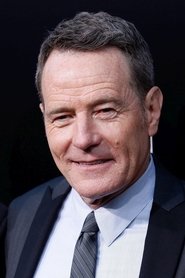
Joe Brody, played by Bryan Cranston, is driven by a deep sense of loss and guilt following the catastrophic accident at the Janjira nuclear power plant, which claimed the life of his wife, Sandra. His obsession with uncovering the truth behind the disaster leads him to believe that there is more to the incident than a mere accident, pushing him to investigate the mysterious occurrences surrounding the plant.
How does Ford Brody's character develop throughout the film?
Ford Brody, portrayed by Aaron Taylor-Johnson, evolves from a soldier focused on his own life and family to a man who embraces his role in the larger conflict against Godzilla and the MUTO creatures. Initially, he is reluctant to engage with the chaos, but as he witnesses the destruction and the threat posed by the MUTOs, he becomes determined to protect his family and help combat the monsters, showcasing his growth from a passive observer to an active participant.
What is the significance of the MUTO creatures in the story?
The MUTO (Massive Unidentified Terrestrial Organism) creatures serve as the primary antagonists in the film, representing a threat to humanity and a challenge to Godzilla. Their emergence is tied to the awakening of ancient forces, and they are depicted as parasitic beings that feed off radiation, which creates a sense of urgency as they disrupt the balance of nature. Their destructive path leads to significant confrontations with Godzilla, highlighting the struggle for dominance between these titanic beings.
How does Godzilla's appearance impact the characters in the film?
Godzilla's appearance is a pivotal moment that evokes a mix of fear, awe, and hope among the characters. For Joe Brody, it represents a chance for redemption and understanding of the forces that caused his family's tragedy. For Ford Brody, Godzilla becomes a symbol of potential salvation, as he realizes that this creature may be the only force capable of stopping the MUTO threat. The characters' reactions to Godzilla range from terror to a reluctant acceptance of his role as a protector of Earth.
What role does the military play in the conflict against the monsters?
The military, led by characters like Admiral Stenz, plays a crucial role in the response to the monster threat. Initially, they attempt to contain the situation with conventional weapons, but as the scale of the destruction becomes apparent, their strategies evolve. The military's efforts often highlight the futility of human technology against the colossal forces of nature represented by Godzilla and the MUTOs, showcasing the tension between human intervention and the primal power of these creatures.
Is this family friendly?
The 2014 film "Godzilla" contains several elements that may be considered objectionable or upsetting for children or sensitive viewers. Here are some aspects to be aware of:
-
Destruction and Chaos: The film features extensive scenes of city destruction, including buildings collapsing and widespread chaos, which may be frightening for younger viewers.
-
Violence: There are intense battle sequences between Godzilla and other creatures, showcasing physical confrontations that may be graphic or unsettling.
-
Death and Loss: The film includes scenes depicting the loss of life, including civilians caught in the chaos, which can evoke strong emotional responses.
-
Tension and Suspense: The atmosphere is often tense, with moments of suspense that may be anxiety-inducing for sensitive viewers.
-
Monsters and Horror Elements: The design and behavior of the creatures, particularly the MUTO (Massive Unidentified Terrestrial Organism), can be frightening and may evoke feelings of horror.
-
Parental Figures in Distress: The emotional turmoil of characters, particularly the protagonist's relationship with his family and the distress caused by their situations, may resonate deeply and be upsetting.
These elements contribute to a tone that may not be suitable for all audiences, particularly younger children or those who are sensitive to intense themes.









