






































No Image
Popular
What motivates Rocket to become a photographer in City of God?
How does Li'l Zé rise to power in the City of God?
What role does Benny play in the dynamics of the gang in City of God?
How does the character of Knockout Ned influence the story in City of God?
What is the significance of the character of the Runts in City of God?
Should I watch it?
Ask Your Own Question

What is the plot?
Sorry, we aren't able to watch and write up a full detailed plot yet. Check back in a few days.



What is the ending?
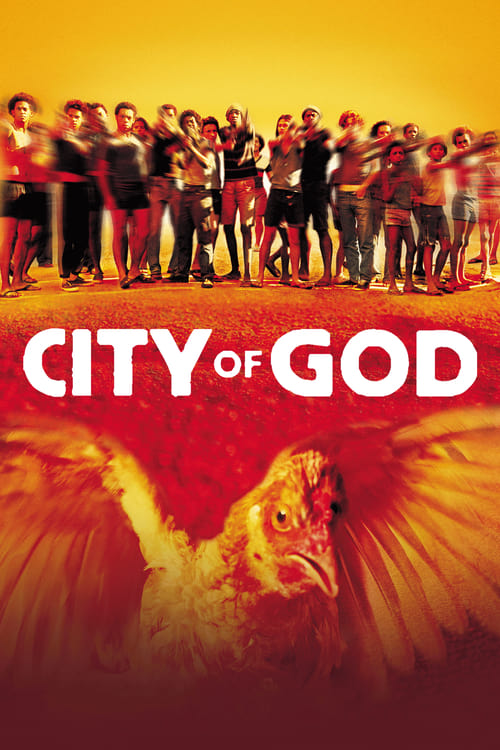
At the end of "City of God," the story culminates in a violent confrontation between the rival gangs led by Li'l Zé and his former friend, Knockout Ned. The film concludes with a police raid that disrupts the gang violence, and Rocket, the narrator, finally captures the essence of life in the City of God through his photography. The film ends with a sense of unresolved tension, as the cycle of violence continues, but Rocket finds a glimmer of hope in his newfound purpose.
In a more detailed narrative:
As the film approaches its climax, the tension in the City of God escalates. Li'l Zé, now a powerful and ruthless gang leader, has solidified his control over the favela. His reign is marked by violence and fear, and he is increasingly paranoid about losing his power. Meanwhile, Knockout Ned, who has been seeking revenge for the death of his girlfriend, becomes a significant threat to Li'l Zé. The rivalry between the two men intensifies, leading to a series of violent confrontations.
In one pivotal scene, Knockout Ned and his crew ambush Li'l Zé's gang, resulting in a bloody shootout. The camera captures the chaos and brutality of the violence, with bullets flying and bodies falling. The streets of the City of God are filled with the sounds of gunfire and the cries of the wounded. This moment highlights the desperation and hopelessness that permeate the lives of the characters, as they are caught in a cycle of revenge and retribution.
As the conflict escalates, Rocket, who has been documenting the events through his photography, finds himself in the midst of the chaos. He is determined to capture the truth of life in the favela, even as danger looms around him. His internal struggle is palpable; he wants to escape the violence but feels a responsibility to tell the story of his community. This duality drives him forward, and he navigates the streets with a mix of fear and determination.
In the final confrontation, Li'l Zé's gang is ambushed by the police during a raid. The scene is chaotic, with officers storming the streets and gunfire erupting from all sides. Li'l Zé, in a desperate attempt to maintain his power, fights back but is ultimately outnumbered. The police manage to capture him, and in a moment of vulnerability, he realizes the futility of his violent lifestyle. The camera lingers on his face, capturing a fleeting moment of fear and regret.
Meanwhile, Knockout Ned's fate is equally tragic. In the midst of the chaos, he is shot and killed, a victim of the very violence he sought to escape. His death serves as a stark reminder of the cost of revenge and the cycle of violence that engulfs the City of God.
As the dust settles, Rocket emerges as a survivor. He has successfully captured the essence of his community through his photographs, which serve as a testament to the resilience of the people living in the favela. The film concludes with Rocket reflecting on his journey, standing amidst the remnants of the violence that has shaped his life. He has found a sense of purpose in his art, but the underlying tension remains, suggesting that while he may have escaped the cycle of violence, it continues to loom over the City of God.
In the final moments, the film leaves the audience with a haunting image of the streets, filled with both hope and despair, encapsulating the complex reality of life in the favela. The cycle of violence may not have ended, but Rocket's story offers a glimmer of hope for a different future.
Is there a post-credit scene?
The movie "City of God," produced in 2002, does not have a post-credit scene. The film concludes with a powerful and impactful ending that encapsulates the story of the characters and the environment of the City of God. After the climactic events, the narrative wraps up with a montage that highlights the ongoing cycle of violence and the struggles within the community, leaving the audience with a poignant reflection on the realities faced by the residents. The credits roll without any additional scenes or content following them.
What motivates Rocket to become a photographer in City of God?
Rocket, whose real name is Buscapé, is driven by his passion for photography and a desire to escape the violent environment of the City of God. He dreams of capturing the beauty of life beyond the slums, and his love for photography becomes a means of self-expression and a way to document the harsh realities of his surroundings. His internal struggle is evident as he navigates the dangers of gang violence while trying to pursue his dreams.
How does Li'l Zé rise to power in the City of God?
Li'l Zé, originally known as Li'l Dice, rises to power through a combination of ruthless ambition and violent tactics. After committing his first murder at a young age, he gains notoriety and respect among his peers. As he grows older, he becomes the leader of the gang, using fear and brutality to eliminate rivals and establish dominance in the drug trade. His character is marked by a deep-seated need for control and recognition, which drives him to increasingly violent acts.
What role does Benny play in the dynamics of the gang in City of God?
Benny is a key character who serves as a bridge between the violent world of Li'l Zé and the more humane aspects of life in the City of God. He is charismatic and has a strong moral compass, often trying to temper Li'l Zé's brutality. Benny's friendship with Rocket and his desire to escape the gang life highlight his internal conflict. Ultimately, his tragic fate serves as a turning point in the story, illustrating the consequences of the gang's violent lifestyle.
How does the character of Knockout Ned influence the story in City of God?
Knockout Ned, a former lover of a woman who becomes involved with Li'l Zé, is initially portrayed as a victim of circumstance. After suffering personal loss due to gang violence, he transforms from a peaceful man into a vengeful figure, seeking retribution against Li'l Zé. His quest for revenge escalates the conflict within the City of God, showcasing the cycle of violence that permeates the community. His character arc reflects the impact of personal tragedy on one's choices and the broader implications of gang warfare.
What is the significance of the character of the Runts in City of God?
The Runts are a group of young boys who idolize the gang lifestyle and aspire to emulate the violence of older gang members. Their presence in the film highlights the cycle of violence and the loss of innocence in the City of God. They are often seen committing petty crimes and seeking approval from Li'l Zé, showcasing how the environment shapes their identities. Their actions serve as a grim reminder of how the allure of power and respect can corrupt youth, ultimately leading them down a path of destruction.
Is this family friendly?
"City of God," produced in 2002, is not considered family-friendly due to its intense and graphic content. Here are some potentially objectionable or upsetting aspects that may affect children or sensitive viewers:
-
Violence: The film depicts numerous scenes of gun violence, including shootouts and murders, often portrayed in a brutal and realistic manner.
-
Drug Use: There are scenes showing drug trafficking, drug use, and the impact of addiction on individuals and families.
-
Gang Activity: The narrative revolves around gang culture, showcasing the harsh realities of life in a violent community, including power struggles and betrayals.
-
Sexual Content: There are instances of sexual exploitation and suggestive scenes that may be inappropriate for younger audiences.
-
Poverty and Despair: The film portrays extreme poverty, which can be distressing, highlighting the struggles and hopelessness faced by the characters.
-
Emotional Trauma: Characters experience significant emotional pain, loss, and trauma, which may be difficult for sensitive viewers to process.
Overall, the film's raw depiction of life in the favelas of Rio de Janeiro is powerful but contains many elements that could be upsetting for children and sensitive individuals.









