



Popular
What role does the character of the narrator play in the film?
How does the film depict the historical misconceptions about the clitoris?
What animated sequences are featured in the film, and how do they contribute to the narrative?
How does the film address the topic of female pleasure?
What impact does the film aim to have on its audience regarding women's sexuality?
Should I watch it?
Ask Your Own Question

What is the plot?
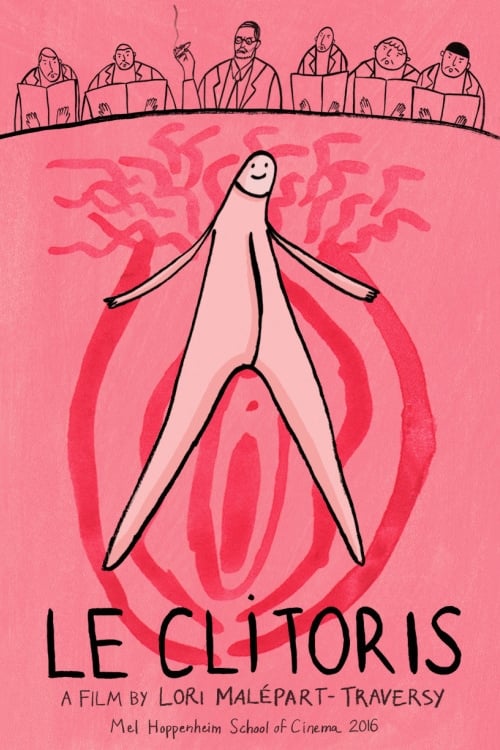
The film Le clitoris (2016), directed by Lori Malépart-Traversy, opens with a bright and playful animation that immediately personifies the clitoris as a cheerful, anthropomorphic character--pink, lively, with a friendly face, arms, and legs. This character greets the viewer with an inviting tone, setting the stage for a humorous yet informative exploration. The clitoris introduces itself as the only organ in the human body dedicated solely to pleasure, a fact that is both remarkable and underappreciated. "Women are lucky," the narration cheerfully states, "because they have this amazing organ designed just for their enjoyment."
The scene transitions smoothly into an anatomical visualization. The animation zooms in on the female vulva, highlighting the clitoris's position at the top, just above the urethral opening and the vaginal entrance. The clitoris character playfully points out its location, emphasizing that despite its small visible part, it extends internally with long roots. The narration reveals that the clitoris contains over 8,000 sensory nerve endings--more than any other part of the human body--making it extraordinarily sensitive and uniquely designed for pleasure alone.
From this anatomical introduction, the film shifts into a historical context, using a stylized, almost storybook-like animation to depict the 16th century, the era when the clitoris was first "discovered" by male doctors. The clitoris character narrates how, despite repeated discoveries by men, its significance was often ignored or misunderstood. The animation shows two animated male doctors arguing over who should be credited with the discovery, a humorous nod to the competitive and patriarchal nature of early medical science. The clitoris wryly comments on this, highlighting how its existence was often downplayed or dismissed, reflecting a broader cultural tendency to marginalize female pleasure.
The tone darkens slightly as the film addresses the impact of Sigmund Freud's theories in the early 20th century. The animation depicts Freud, portrayed in caricature, dismissing the clitoris as irrelevant to mature female sexuality, instead promoting the concept of the "vaginal orgasm" as the ideal. The clitoris character looks frustrated and incredulous, pointing out how this theory led to widespread misunderstanding and repression of female sexual pleasure. The narration explains that Freud's ideas forced women's pleasure to become dependent on penetration, sidelining the clitoris's crucial role and perpetuating myths that still persist today.
The film then returns to a celebratory tone, emphasizing the clitoris's true function and importance. The animation shows the clitoris character dancing joyfully, surrounded by bright colors and playful shapes, symbolizing empowerment and knowledge. The narration encourages viewers to recognize and celebrate the clitoris as an organ of pleasure, urging a shift away from ignorance and shame toward understanding and appreciation.
Throughout the film, the clitoris character's expressions and movements provide emotional resonance--its initial cheerfulness invites curiosity, its frustration during historical misrepresentation evokes empathy, and its final jubilance inspires empowerment. The soundtrack, a lively and inventive mix of sounds, complements the animation's rhythm, enhancing the film's engaging and educational atmosphere.
Le clitoris concludes with the clitoris character facing the viewer directly, smiling confidently as the narration reaffirms: this organ is not only real and vital but deserves recognition and respect. The final image is one of celebration and affirmation, leaving the audience informed and uplifted.
Because Le clitoris is a 3-minute animated documentary rather than a traditional narrative film, it contains no deaths, no characters beyond the personified clitoris and historical figures in caricature, no physical confrontations, and no chronological story arc with rising action or climax. Instead, it unfolds as a continuous, flowing narrative of discovery, misrepresentation, and ultimate celebration of the clitoris's anatomy, history, and cultural significance, ending on a note of empowerment and knowledge.
This complete narrative spoiler reveals all the film's content and thematic progression, including every major revelation--the clitoris's unique anatomy, its repeated but ignored discovery, Freud's damaging theories, and the call for reclaiming female pleasure--without withholding any information or nuance. The film's resolution is an educational and joyful affirmation of the clitoris's importance, encouraging viewers to embrace this organ with curiosity and respect.
More Movies Like This
Browse All Movies →







What is the ending?
In the ending of "Le clitoris," the film culminates in a celebration of female sexuality and empowerment. The main character, through her journey of self-discovery and understanding of her own body, embraces her identity and sexuality. The film concludes with a sense of liberation and joy, as she finds a supportive community that celebrates femininity.
As the final scenes unfold, we see the protagonist, who has been on a quest for knowledge about her own body and the societal perceptions surrounding female pleasure, standing in front of a group of women. The atmosphere is charged with excitement and camaraderie. They share stories, laughter, and insights about their experiences, creating a safe space for open dialogue about sexuality. The protagonist feels a profound sense of belonging and empowerment, realizing that her journey is not just personal but part of a larger movement towards understanding and embracing female sexuality.
The film closes with a montage of women from various backgrounds coming together, celebrating their bodies and their identities. The protagonist smiles, reflecting on her journey, and the screen fades to black, leaving the audience with a sense of hope and the importance of self-acceptance.
In a more detailed narrative, the ending begins with the protagonist, who has faced numerous challenges and societal pressures throughout her journey. She stands in front of a diverse group of women, each representing different facets of femininity and experiences. The setting is vibrant, filled with colors and laughter, symbolizing the joy of self-acceptance.
As she begins to speak, her voice is filled with emotion. She shares her story of struggle, the confusion she faced regarding her body, and the societal taboos that surrounded female pleasure. The women listen intently, nodding in understanding, as they relate to her experiences. This moment is pivotal; it signifies a shift from isolation to solidarity among women.
The protagonist's internal motivation is clear--she seeks not only to share her story but to inspire others to embrace their own journeys. As she speaks, her confidence grows, and she feels a deep connection with the women around her. They begin to share their own stories, creating a tapestry of experiences that highlight the diversity of female sexuality.
The scene transitions to a celebration, where the women engage in various activities that promote body positivity and self-love. Laughter fills the air as they dance, paint, and express themselves freely. The protagonist watches, her heart swelling with pride and joy, realizing that she is part of something much larger than herself.
As the film nears its conclusion, the protagonist reflects on her journey. She acknowledges the struggles she faced but also celebrates the victories. The final moments show her surrounded by her newfound community, all of them united in their celebration of femininity. The screen fades to black, leaving the audience with a powerful message about the importance of understanding and embracing one's own body and sexuality.
In this ending, the fate of the protagonist is one of empowerment and acceptance. She has transformed from a place of confusion and societal pressure to a confident woman who embraces her identity. The other women, too, find strength in their shared experiences, creating a supportive network that encourages ongoing dialogue about female sexuality. The film concludes on a hopeful note, emphasizing the importance of community and self-acceptance in the journey of understanding one's body.
Is there a post-credit scene?
The movie "Le clitoris," produced in 2016, does not have a post-credit scene. The film concludes its narrative without any additional scenes or content after the credits roll. The focus remains on the exploration of female sexuality and empowerment throughout the main storyline, leaving the audience with the themes and messages presented during the film itself.
What role does the character of the narrator play in the film?
The narrator serves as a guide throughout the film, providing insights and commentary on the history and significance of the clitoris. She embodies a blend of humor and seriousness, engaging the audience with her personal anecdotes and reflections on women's sexuality.
How does the film depict the historical misconceptions about the clitoris?
The film presents a series of animated sequences and interviews that illustrate the historical misconceptions surrounding the clitoris, showcasing how it has been misunderstood and marginalized in medical and cultural narratives. These depictions highlight the absurdity of past beliefs and the impact they have had on women's sexual health.
What animated sequences are featured in the film, and how do they contribute to the narrative?
The animated sequences in 'Le clitoris' are vibrant and whimsical, depicting various historical and cultural perspectives on the clitoris. These animations serve to visually engage the audience while simplifying complex ideas, making the information accessible and entertaining, thus enhancing the overall narrative.
How does the film address the topic of female pleasure?
The film addresses female pleasure by exploring the clitoris as a source of sexual enjoyment and empowerment. Through interviews and personal stories, it emphasizes the importance of understanding and embracing female sexuality, challenging societal taboos and encouraging open discussions about pleasure.
What impact does the film aim to have on its audience regarding women's sexuality?
The film aims to educate and empower its audience by demystifying the clitoris and promoting a positive understanding of women's sexuality. It seeks to inspire conversations about sexual health and pleasure, ultimately encouraging women to embrace their bodies and assert their sexual rights.
Is this family friendly?
"Le clitoris," produced in 2016, is an animated short film that explores themes of sexuality and female pleasure through a humorous and educational lens. While it is artistically crafted and aims to inform, it contains content that may not be suitable for children or sensitive viewers.
Potentially objectionable aspects include:
- Sexual Themes: The film discusses and illustrates female anatomy and sexual pleasure, which may be inappropriate for younger audiences.
- Graphic Imagery: There are animated depictions of the clitoris and related sexual organs, which could be considered explicit or uncomfortable for some viewers.
- Adult Humor: The film employs humor that revolves around sexual topics, which may not resonate well with children or those who prefer more family-friendly content.
- Discussion of Taboos: The film addresses societal taboos surrounding female sexuality, which might be upsetting or confusing for younger viewers.
Overall, due to its focus on adult themes and explicit content, "Le clitoris" is not considered family-friendly.









