
Popular
Should I watch it?
Ask Your Own Question

What is the plot?
Sorry, we aren't able to watch and write up a full detailed plot yet. Check back in a few days.
More Movies Like This
Browse All Movies →
What is the ending?
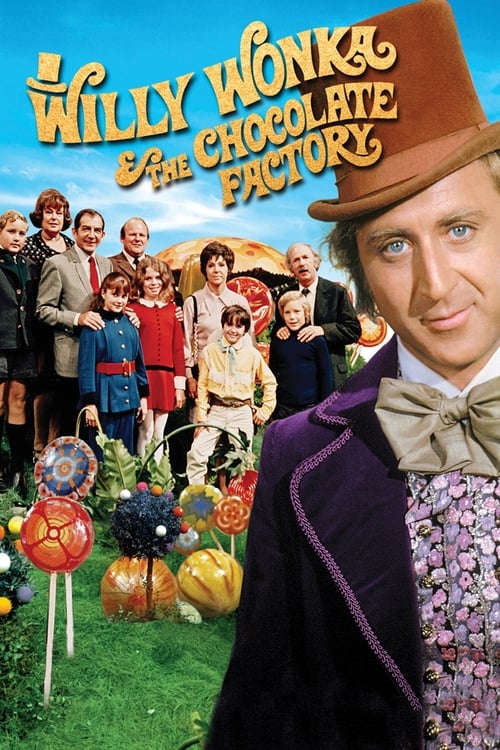
At the end of "Willy Wonka & the Chocolate Factory," Charlie Bucket wins the grand prize of the chocolate factory after proving to be the most deserving of the five children. Willy Wonka reveals that he has been searching for a worthy heir to take over the factory. Charlie, along with his Grandpa Joe, is invited to live in the factory, while the other children face consequences for their misbehavior.
As the story approaches its climax, the scene shifts to the grand Chocolate Room, where Willy Wonka leads the children and their guardians through the magical factory. The atmosphere is filled with wonder and excitement, but also a sense of foreboding as the consequences of the children's actions begin to unfold.
After the tour of the factory, Wonka announces that he will be giving away his factory to one of the children who found a golden ticket. The children, filled with anticipation, are eager to see who will be the chosen one. Charlie, who has remained humble and kind throughout the journey, stands alongside his Grandpa Joe, both filled with hope.
As the tour progresses, the other children--Augustus Gloop, Veruca Salt, Violet Beauregarde, and Mike Teavee--each face their own fates due to their flaws. Augustus, who is gluttonous, falls into the chocolate river and is sucked up a pipe. Veruca, spoiled and demanding, is deemed a "bad nut" by the squirrels and is thrown down a garbage chute. Violet, who is overly competitive, turns into a giant blueberry after chewing an experimental gum. Mike, obsessed with television, shrinks himself down to a tiny size after being transported through a TV screen.
Finally, the moment arrives when Wonka reveals that Charlie is the last child standing. He is the only one who has not succumbed to the temptations of the factory. Wonka, with a twinkle in his eye, tells Charlie that he has won the factory. Charlie is overwhelmed with joy, and Grandpa Joe shares in his excitement, both of them embracing the moment.
In a pivotal scene, Wonka takes Charlie and Grandpa Joe aside and explains that he has been searching for someone to take over the factory. He believes that Charlie, with his pure heart and good nature, is the perfect choice. Charlie's eyes widen with disbelief and happiness as he realizes the magnitude of what this means for him and his family.
As the film concludes, Charlie and Grandpa Joe are invited to live in the factory, a dream come true for both of them. The camera pans out, showing the factory in all its glory, symbolizing hope and the rewards of kindness and humility. The other children, having faced their consequences, are left to reflect on their actions, while Charlie and Grandpa Joe embark on a new adventure filled with endless possibilities.
In the end, Charlie's fate is one of triumph and fulfillment, while the other children's fates serve as cautionary tales about the importance of good character and the dangers of greed, pride, and entitlement. The story closes with a sense of wonder and the promise of a brighter future for Charlie and his family.
Is there a post-credit scene?
The movie "Willy Wonka & the Chocolate Factory," produced in 1971, does not have a post-credit scene. The film concludes with Charlie Bucket and Willy Wonka flying through the sky in the Great Glass Elevator, celebrating their newfound friendship and the promise of a bright future. As the credits roll, the story wraps up without any additional scenes or content after the main narrative. The focus remains on the magical journey they shared and the lessons learned throughout the adventure in the chocolate factory.
What are the names of the children who win the golden tickets?
The children who win the golden tickets are Charlie Bucket, Augustus Gloop, Veruca Salt, Violet Beauregarde, and Mike Teavee.
What happens to Augustus Gloop in the factory?
Augustus Gloop falls into the chocolate river while trying to drink from it and gets stuck in a pipe, leading him to be sucked up and taken away.
How does Veruca Salt meet her fate in the factory?
Veruca Salt tries to grab a squirrel that she believes is a pet, but the squirrels deem her a 'bad nut' and ultimately toss her down a garbage chute.
What transformation does Violet Beauregarde undergo during the tour?
Violet Beauregarde chews an experimental gum that turns her into a giant blueberry, causing her to swell up and eventually be rolled away by the Oompa-Loompas.
What is the significance of the glass elevator in the story?
The glass elevator is a magical mode of transportation within the factory that allows Willy Wonka and the children to travel vertically and horizontally, showcasing the wonders of the factory.
Is this family friendly?
"Willy Wonka & the Chocolate Factory" (1971) is generally considered a family-friendly film, but it does contain some scenes that may be unsettling for younger viewers or sensitive individuals. Here are a few potentially objectionable or upsetting aspects:
-
The Oompa-Loompa Songs: The Oompa-Loompas sing songs that often reflect the misbehavior of the children, which can be interpreted as dark or moralistic. The tone can be unsettling, especially when they sing about the consequences of the children's actions.
-
Augustus Gloop's Fate: The scene where Augustus falls into the chocolate river and is sucked up a pipe can be intense. The imagery of him struggling and the potential danger may be distressing.
-
Violet Beauregarde's Transformation: Violet's transformation into a giant blueberry after chewing the experimental gum is visually striking and may be alarming. The idea of her being inflated and the subsequent concern for her well-being can be unsettling.
-
Veruca Salt's Encounter with the Squirrels: Veruca's attempt to grab a squirrel leads to her being deemed a "bad nut" and subsequently attacked by the squirrels. This scene can be perceived as frightening due to the aggressive behavior of the animals.
-
Mike Teavee's Shrinking: The scene where Mike is shrunk down to a tiny size after being transported through the television can be disconcerting, as it raises themes of danger and loss of control.
-
The Overall Atmosphere: The factory itself has a whimsical yet eerie quality, with some scenes featuring surreal imagery and unsettling undertones that may evoke feelings of anxiety or fear.
While these elements contribute to the film's fantastical and moralistic themes, they may be challenging for some children or sensitive viewers to process.