








Popular
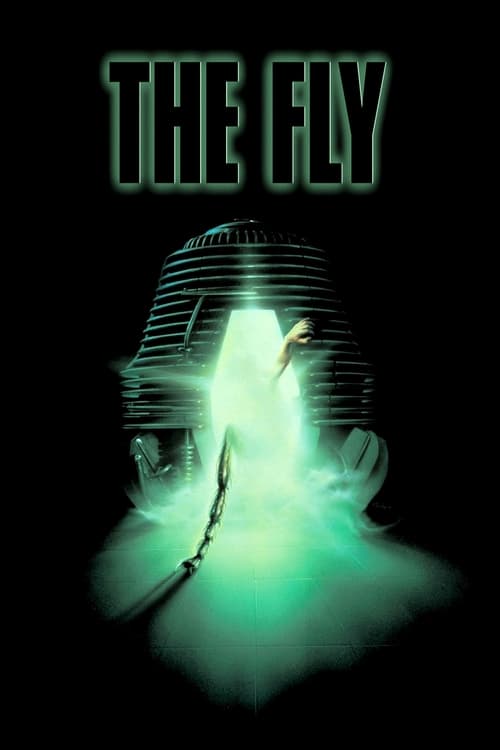
What happens to Seth Brundle after he uses the teleportation device for the first time?
How does Veronica Quaife react to Seth's physical changes as he transforms into the Fly?
What is the significance of the 'Brundlefly' transformation in the story?
What role does Stathis Borans play in the relationship between Seth and Veronica?
How does the film depict the deterioration of Seth's mental state as he transforms into the Fly?
Should I watch it?
Ask Your Own Question

What is the plot?
Sorry, we aren't able to watch and write up a full detailed plot yet. Check back in a few days.



What is the ending?
In the ending of "The Fly" (1986), Seth Brundle, who has transformed into a grotesque hybrid of human and fly, confronts his tragic fate. After a series of horrifying transformations and the loss of his humanity, he ultimately decides to end his suffering. In a final act of desperation, he asks his love interest, Veronica, to help him die. She reluctantly uses a gun to put him out of his misery, and he dies, leaving her devastated.
As the film reaches its climax, the scene unfolds in a dimly lit laboratory, where Seth Brundle, now fully transformed into a monstrous creature, is struggling with the remnants of his human consciousness. His body is a grotesque amalgamation of human and fly, with his skin peeling and his features distorted. The once brilliant scientist is now a tragic figure, embodying the consequences of his reckless experimentation with teleportation technology.
Veronica, played by Geena Davis, enters the lab, her face a mixture of horror and sorrow as she witnesses the full extent of Seth's transformation. She is torn between her love for him and the revulsion she feels at his current state. Seth, in a moment of clarity, expresses his desire to end his suffering. He pleads with Veronica, his voice a haunting echo of the man he once was, asking her to help him die. The emotional weight of this moment is palpable, as Veronica grapples with the decision to end the life of the man she loves, now trapped in a monstrous form.
In a heart-wrenching scene, Veronica takes a gun that Seth has provided, her hands trembling as she points it at him. Seth, in a moment of vulnerability, tells her to "do it," urging her to pull the trigger. Tears stream down her face as she struggles with the enormity of her choice. The tension in the room is suffocating, filled with the unspoken love and pain that has defined their relationship.
Finally, with a heavy heart, Veronica pulls the trigger, and the sound of the gunshot echoes through the lab. Seth's body slumps to the ground, lifeless, and the camera lingers on Veronica's devastated expression. She collapses to the floor, overwhelmed by grief and loss, as the reality of what she has done sinks in. The film closes with a haunting sense of tragedy, leaving the audience to reflect on the consequences of ambition, the fragility of humanity, and the depths of love and sacrifice.
In the aftermath, Veronica is left to grapple with her memories of Seth, the man he was, and the monster he became. The fate of Seth Brundle is sealed in death, a poignant reminder of the dangers of unchecked scientific exploration and the emotional toll of love intertwined with tragedy.
Is there a post-credit scene?
The Fly, produced in 1986, does not have a post-credit scene. The film concludes with a haunting and emotional climax that leaves a lasting impact on the audience. After the tragic transformation of Seth Brundle into a grotesque hybrid of man and fly, the film ends on a somber note, focusing on the consequences of his scientific hubris and the devastating effects on his relationship with Veronica Quaife. The final moments are filled with a sense of loss and horror, emphasizing the themes of identity and the fragility of humanity, without any additional scenes after the credits.
What happens to Seth Brundle after he uses the teleportation device for the first time?
After Seth Brundle uses the teleportation device for the first time, he successfully teleports himself from one pod to another. However, unbeknownst to him, a fly enters the pod with him during the process. This event marks the beginning of his transformation, as he starts to exhibit enhanced physical abilities and confidence, but also begins to experience unsettling changes in his body.
How does Veronica Quaife react to Seth's physical changes as he transforms into the Fly?
Veronica Quaife initially admires Seth's newfound strength and energy after his teleportation experiment. However, as his physical changes become more pronounced, including the loss of his hair and the development of grotesque features, her admiration turns to horror and concern. She struggles with her feelings for him, torn between her love and the fear of what he is becoming.
What is the significance of the 'Brundlefly' transformation in the story?
The 'Brundlefly' transformation is significant as it symbolizes the loss of Seth's humanity and the consequences of unchecked scientific ambition. As he becomes more fly-like, he loses his mental faculties and moral compass, leading to violent and erratic behavior. This transformation serves as a cautionary tale about the dangers of playing God and the potential horrors of scientific experimentation.
What role does Stathis Borans play in the relationship between Seth and Veronica?
Stathis Borans serves as a rival to Seth Brundle for Veronica's affections. He is a former lover and editor who is protective of her, and as Seth's condition deteriorates, Stathis becomes increasingly concerned for Veronica's safety. His jealousy and desire to reclaim Veronica create tension, especially as he witnesses the horrifying changes in Seth and the danger they pose.
How does the film depict the deterioration of Seth's mental state as he transforms into the Fly?
The film depicts Seth's mental deterioration through a gradual decline in his behavior and cognitive abilities. Initially, he is intelligent and articulate, but as the transformation progresses, he becomes more erratic, impulsive, and aggressive. His emotional state shifts from excitement and curiosity to despair and rage, culminating in moments of violence and a loss of control, reflecting the tragic consequences of his transformation.
Is this family friendly?
The Fly (1986) is not considered family-friendly due to its intense themes and graphic content. Here are some potentially objectionable or upsetting aspects:
-
Body Horror: The film features graphic transformations of the main character, including disturbing physical changes that evoke strong feelings of disgust and fear.
-
Violence: There are scenes of violence, including moments where characters are harmed or killed, which can be quite graphic and unsettling.
-
Gore: The film contains explicit depictions of bodily fluids and mutilation, particularly as the protagonist's condition deteriorates.
-
Psychological Distress: The emotional turmoil experienced by the characters, including fear, despair, and loss, can be intense and may be distressing for sensitive viewers.
-
Themes of Isolation and Despair: The film explores themes of loneliness, identity loss, and the consequences of scientific experimentation, which may be heavy for younger audiences.
Overall, The Fly is best suited for mature viewers due to its horror elements and emotional weight.







