







































Popular
What causes Charlie to develop a split personality?
How does Charlie's relationship with Irene evolve throughout the film?
What role does the character of 'Big Boy' play in the story?
How does Charlie's family influence his character development?
What is the significance of the scene where Charlie first transforms into Hank?
Should I watch it?
Ask Your Own Question

What is the plot?
Sorry, we aren't able to watch and write up a full detailed plot yet. Check back in a few days.
What is the ending?
In the ending of "Me, Myself & Irene," Charlie, who has been struggling with his alter ego, Hank, finally confronts his inner turmoil. After a series of chaotic events, he manages to integrate his two personalities. He reconciles with Irene, and they share a moment of love and understanding. The film concludes with Charlie and Irene driving off together, suggesting a hopeful future.
Now, let's delve into the ending in a more detailed narrative fashion:
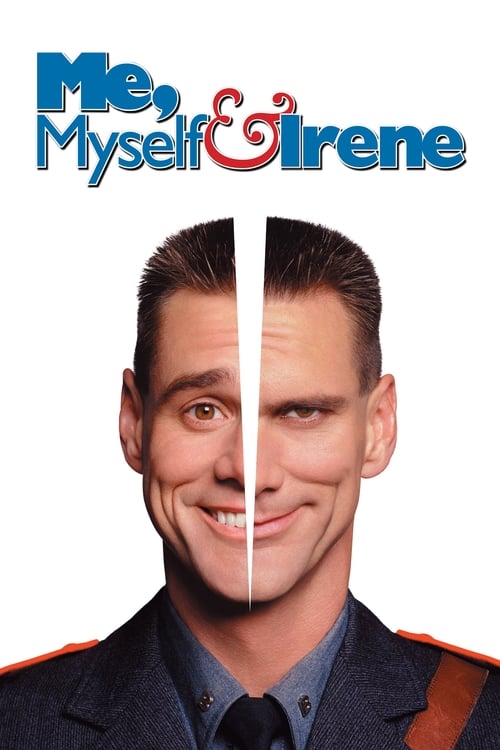
As the climax of the film unfolds, Charlie, played by Jim Carrey, finds himself in a high-stakes confrontation with the corrupt police officers who have been pursuing him and Irene, portrayed by Renée Zellweger. The scene is set in a remote area where Charlie has been cornered. The tension is palpable as he grapples with the duality of his existence--his meek, kind-hearted nature and the brash, aggressive alter ego, Hank.
In a moment of desperation, Charlie is forced to embrace Hank fully. The transformation is dramatic; he becomes more assertive and confrontational, channeling Hank's energy to stand up against the officers. The chaos escalates as Hank takes control, leading to a series of comedic yet intense confrontations. Charlie's internal struggle is visually represented through his physicality--his body language shifts from timid to bold, reflecting the battle within.
As the confrontation reaches its peak, Charlie realizes that he cannot continue living in conflict with himself. In a pivotal moment, he decides to confront Hank directly. This scene is charged with emotion as Charlie speaks to Hank, acknowledging his existence and the pain he has caused. The dialogue is raw, filled with vulnerability, as Charlie expresses his desire to be whole again. The audience can feel the weight of his internal conflict, the desperation to reconcile the two sides of his personality.
In a climactic moment of self-acceptance, Charlie and Hank merge, symbolizing the integration of his identities. This transformation is visually striking, as Charlie's demeanor shifts once more, embodying a newfound confidence and clarity. He is no longer just Charlie or Hank; he is a complete person, ready to face the world.
With the police officers subdued, Charlie and Irene find themselves together again. The emotional tension between them dissipates as they share a heartfelt moment. Irene, who has been a source of support throughout Charlie's journey, looks at him with understanding and love. Their connection deepens as they embrace, signifying a fresh start for both characters.
The film concludes with Charlie and Irene driving away together, a sense of freedom and hope enveloping them. The car symbolizes their journey ahead, filled with possibilities. As they drive off into the sunset, the audience is left with the impression that Charlie has finally found peace within himself, and his relationship with Irene is poised for a brighter future.
In terms of character fates, Charlie emerges as a more integrated individual, having reconciled his inner conflict. Irene stands by him, embodying loyalty and love, ready to support him in his new journey. The corrupt officers, who have been antagonists throughout the film, are left defeated, highlighting the triumph of personal growth and self-acceptance over external chaos. The ending encapsulates the film's themes of identity, love, and the importance of embracing all facets of oneself.
Is there a post-credit scene?
In the movie "Me, Myself & Irene," produced in 2000, there is no post-credit scene. The film concludes with the resolution of the main plot, where Charlie Baileygates, played by Jim Carrey, reconciles with his alter ego, Hank, and finds a sense of balance in his life. The story wraps up with a final scene that ties together the character arcs and themes of identity and self-acceptance, but it does not include any additional scenes or content after the credits roll.
What causes Charlie to develop a split personality?
Charlie Baileygates, played by Jim Carrey, develops a split personality due to years of suppressing his emotions and being mistreated by his family and society. After being a kind-hearted state trooper in Rhode Island, he is pushed to his limits by his overbearing wife, who leaves him for a man named 'Big Boy.' This emotional turmoil leads to the emergence of his alter ego, Hank, who is aggressive and uninhibited, contrasting sharply with Charlie's meek demeanor.
How does Charlie's relationship with Irene evolve throughout the film?
Charlie initially meets Irene, played by Renée Zellweger, when he is assigned to escort her after she is involved in a case of mistaken identity. At first, Charlie is shy and awkward, but as Hank emerges, he becomes more confident and assertive. Their relationship evolves from a professional one to a romantic connection, as Irene is drawn to both sides of Charlie's personality, ultimately helping him confront his issues and embrace his true self.
What role does the character of 'Big Boy' play in the story?
Big Boy, portrayed by Anthony Anderson, is a key antagonist in the film. He is the man who runs a drug operation and is also the reason for Charlie's troubles with Irene. Big Boy's actions lead to a series of comedic and chaotic events, as he pursues Irene and tries to eliminate Charlie, who is trying to protect her. His character serves as a catalyst for Charlie's transformation and the conflict that drives the plot.
How does Charlie's family influence his character development?
Charlie's family, particularly his overbearing mother and his three sons, play a significant role in shaping his character. His mother instills a sense of guilt and obligation in him, leading to his submissive nature. The chaotic and dysfunctional dynamics with his sons, who are also a source of embarrassment and frustration, further contribute to his internal struggles. This family background is crucial in understanding why Charlie feels the need to suppress his emotions, ultimately leading to the emergence of Hank.
What is the significance of the scene where Charlie first transforms into Hank?
The scene where Charlie first transforms into Hank is pivotal in the film. It occurs after a series of stressful events, culminating in a moment of extreme frustration. In a dramatic and comedic fashion, Charlie's personality shifts, and Hank emerges, showcasing a stark contrast in behavior. This transformation is significant as it marks the beginning of Charlie's struggle to balance his two identities, highlighting the internal conflict and the comedic potential of the situation, while also setting the stage for his journey of self-discovery.
Is this family friendly?
"Me, Myself & Irene," produced in 2000, is not considered family-friendly due to its mature themes and content. Here are some potentially objectionable or upsetting aspects that may occur for children or sensitive viewers:
-
Strong Language: The film features frequent use of profanity and vulgar language throughout, which may not be suitable for younger audiences.
-
Sexual Content: There are several scenes that include sexual innuendos, suggestive situations, and nudity, which could be inappropriate for children.
-
Violence: The film contains scenes of physical violence, including fights and aggressive confrontations, which may be distressing for some viewers.
-
Mental Health Themes: The portrayal of dissociative identity disorder (split personality) is central to the plot, and the depiction may be unsettling for those sensitive to mental health issues.
-
Drug Use: There are references to drug use and substance abuse, which may not be suitable for younger viewers.
-
Dark Humor: The film employs dark humor that may not resonate well with all audiences, particularly children or those who are sensitive to such themes.
Overall, the film's adult themes and humor make it more appropriate for mature audiences.









