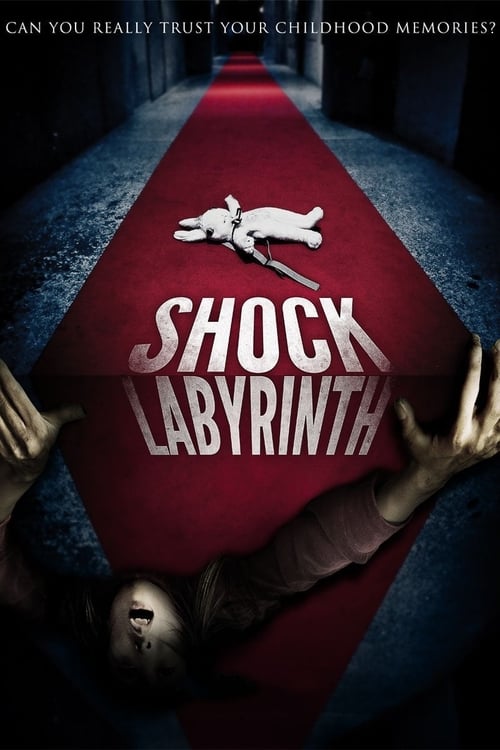








Popular
What happens to the character of Mizuki in The Shock Labyrinth?
How does the character of Kyouko influence the events in The Shock Labyrinth?
What is the significance of the labyrinth in the film?
How does the character of Haruka contribute to the group's dynamic in The Shock Labyrinth?
What role does the theme of childhood trauma play in the character development of Mizuki?
Should I watch it?
Ask Your Own Question

What is the plot?
Sorry, we aren't able to watch and write up a full detailed plot yet. Check back in a few days.
More Movies Like This
Browse All Movies →







What is the ending?
In the ending of "The Shock Labyrinth," the characters confront the haunting realities of their pasts within the confines of the labyrinth. As they navigate through the twisted corridors, they face their fears and the manifestations of their guilt. The film culminates in a tragic revelation about the nature of their experiences, leading to a devastating conclusion for the group.
As the film approaches its climax, the atmosphere is thick with tension and dread. The characters, including the protagonist, Mizuki, and her friends, find themselves trapped in a nightmarish maze that reflects their inner turmoil. The labyrinth is not just a physical space but a psychological one, filled with apparitions and memories that haunt them.
Mizuki, who has been grappling with the trauma of her past, is particularly affected. She is haunted by the memory of her friend, who died in a tragic accident. As they delve deeper into the labyrinth, the group begins to unravel the truth behind their fears. They encounter disturbing visions that force them to confront their guilt and the unresolved issues that linger from their childhood.
In a pivotal scene, Mizuki comes face to face with the ghostly figure of her deceased friend. This encounter is emotionally charged, as it brings to the surface the pain and regret that Mizuki has been carrying. The labyrinth becomes a manifestation of her grief, and she realizes that she must confront her past to move forward.
As the group continues to navigate the labyrinth, they are picked off one by one by the manifestations of their fears. Each character faces their own personal demons, leading to a series of tragic outcomes. The tension escalates as they realize that the labyrinth is not just a physical trap but a psychological one that preys on their vulnerabilities.
In the final moments, Mizuki is left alone, grappling with the weight of her memories and the loss of her friends. The film concludes with a haunting image of her standing in the labyrinth, symbolizing her entrapment in her own grief. The fate of the other characters is grim; they succumb to the horrors of the labyrinth, unable to escape the consequences of their past actions.
Ultimately, "The Shock Labyrinth" leaves viewers with a sense of unresolved tension, highlighting the impact of trauma and the haunting nature of guilt. The characters' fates serve as a reminder of the importance of confronting one's past, as the labyrinth becomes a metaphor for the struggles they face in coming to terms with their experiences.
Is there a post-credit scene?
The Shock Labyrinth, produced in 2009, does not have a post-credit scene. The film concludes its narrative without any additional scenes after the credits roll. The story wraps up with a focus on the psychological and supernatural elements that have unfolded throughout the film, leaving the audience with a sense of closure regarding the characters' fates and the eerie atmosphere that permeates the narrative.
What happens to the character of Mizuki in The Shock Labyrinth?
Mizuki is a central character who, after a traumatic incident in her childhood, returns to her hometown with her friends. As the story unfolds, she experiences intense psychological distress and confusion, leading to a series of surreal and horrifying events. Her emotional state is deeply affected by the memories of her past, particularly the incident involving her friend, which haunts her throughout the film.
How does the character of Kyouko influence the events in The Shock Labyrinth?
Kyouko, Mizuki's friend, plays a crucial role in the narrative as her presence triggers Mizuki's memories and fears. Kyouko's determination to confront the past and her own struggles with the supernatural elements of the labyrinth create tension among the group. Her emotional connection to Mizuki adds depth to the story, as she tries to support her friend while grappling with her own fears.
What is the significance of the labyrinth in the film?
The labyrinth serves as a physical and psychological manifestation of the characters' fears and traumas. As they navigate through its twisted corridors, they encounter manifestations of their past, particularly Mizuki's childhood trauma. The labyrinth symbolizes the complexity of their emotions and the struggle to confront their inner demons, making it a pivotal element in the unfolding horror.
How does the character of Haruka contribute to the group's dynamic in The Shock Labyrinth?
Haruka is portrayed as a more skeptical and pragmatic character within the group. Her initial disbelief in the supernatural occurrences creates tension with the others, particularly with Mizuki, who is more emotionally affected by the events. Haruka's character serves as a foil to Mizuki's vulnerability, and her eventual acceptance of the horror they face highlights the group's descent into chaos.
What role does the theme of childhood trauma play in the character development of Mizuki?
Mizuki's character is deeply shaped by her childhood trauma, which is revealed through flashbacks and her interactions with her friends. The trauma manifests in her psychological struggles, leading to hallucinations and a distorted perception of reality. As the story progresses, her journey to confront this trauma becomes central to her character development, showcasing her vulnerability and the impact of unresolved fears on her psyche.
Is this family friendly?
"The Shock Labyrinth" is not considered family-friendly due to its intense themes and horror elements. Here are some potentially objectionable or upsetting aspects that may affect children or sensitive viewers:
- Graphic Violence: The film contains scenes with blood and injury, which can be disturbing.
- Psychological Horror: There are intense moments that explore fear and trauma, which may be unsettling.
- Supernatural Elements: The presence of ghosts and supernatural occurrences can be frightening for younger audiences.
- Mental Health Themes: The film delves into themes of madness and psychological distress, which may be distressing for some viewers.
- Dark Atmosphere: The overall tone is eerie and unsettling, with a focus on fear and anxiety.
These elements contribute to a tense and frightening experience that may not be suitable for children or those sensitive to horror themes.