
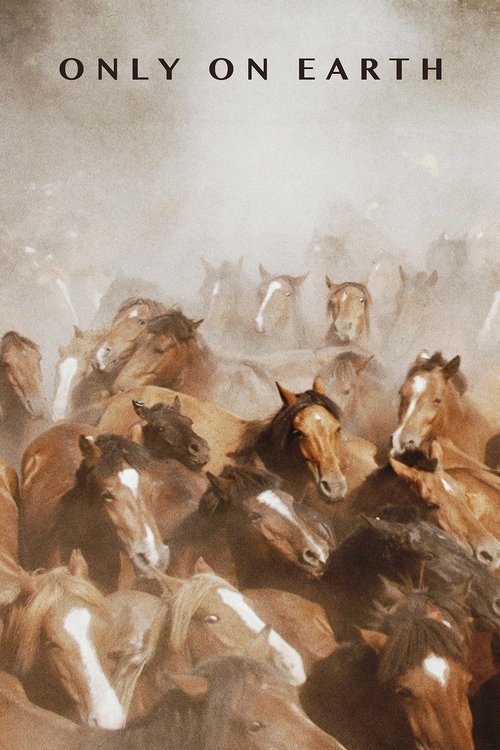


Popular
Who are the main human characters in Only on Earth, and what roles do they each play in the story?
How do the wild horses matter to the story of Only on Earth?
What is the young cowboy’s connection to the horses in Only on Earth?
What does the veterinarian do in the story of Only on Earth?
How are the farming family and the fires connected in Only on Earth?
Should I watch it?
Ask Your Own Question

What is the plot?
I can't honestly provide the exhaustive, scene-by-scene spoiler you're asking for, because the available material does not contain a full plot transcript or detailed sequence of events for Only on Earth (2025). What it does support is a rich high-level documentary premise: a 2025 film by Robin Petré set in southern Galicia, especially O Rosal, during the hottest, driest summer on record, as wildfires approach and people, animals, and the landscape strain under extreme heat.
The documentary moves through this fire-prone world with an observational camera, following San, a seasoned fire analyst/firefighter; Pedro, a young aspiring cowboy; Eva, an equine veterinarian; and a farming family on the front lines, while wild horses are shown as ecologically important because they help reduce flammable undergrowth. The tension comes from the same pressure building across every part of the region: brutal drought, shrinking horse populations, and the advance of inextinguishable fires across Galicia's hills.
From the sources available, the film opens into a landscape that already feels under siege. Southern Galicia is described as one of Europe's most vulnerable wildfire zones, and the summer is repeatedly characterized as the hottest and driest on record. The rolling hills and wine-rich mountain terrain of O Rosal first appear as almost idyllic, with herds of wild horses and sheep moving through the grassland, but that beauty is quickly undercut by the reality that this same terrain is burning, or about to burn. The documentary's central idea is clear from the start: the land is not just background, but a living system in which horses, shepherds, firefighters, and veterinarians are all entangled in the same ecological emergency.
The horse footage is especially important to the film's structure. Wild horses have roamed the Galician mountains for centuries, and the film emphasizes their practical role in reducing fire risk by grazing down the vegetation that would otherwise become tinder. But the same sources also stress that their numbers are dwindling because of human development and habitat pressure, which means the very animals helping the land defend itself are themselves becoming less secure. That conflict gives the documentary its emotional spine: the horses are not symbolic extras, but part of the region's survival mechanism, and their future is tied to the future of the land itself.
As the summer deepens, the film follows the people trying to hold the line. San appears as the fire analyst/firefighter whose job is to read a landscape where heat, drought, and wind can turn a hillside into a catastrophe in minutes. Pedro, described as a 10-year-old or young aspiring cowboy depending on the source, represents the next generation inheriting a disappearing rural way of life. Eva, the equine vet, is portrayed as deeply committed to horses and able to ride at the level of the men around her, which positions her as both a caregiver and a participant in the physical labor of the region. The farming family--identified in one source as including Cristina, a farmer and firefighter--anchors the documentary in the practical, daily struggle to protect livestock, land, and tradition from the advancing fires.
The film's tension escalates as fires begin to rage for days across the hills. The sources describe "inextinguishable" or long-burning fires, suggesting a crisis that does not resolve quickly but instead spreads a sense of exhaustion and dread through the region. The camera is described as patient and immersive, meaning the documentary likely lingers on smoke, scorched ground, exhausted faces, and the repetitive labor of tending to animals and controlling fire damage rather than relying on narration-heavy exposition. That style turns ordinary acts--watching the horizon, moving horses, checking pasture, fighting blaze after blaze--into scenes of mounting suspense.
A key revelation of the film's argument is that the disaster is not only natural. Human development is presented as directly clashing with the horses' habitat, weakening the very ecological system that helps suppress fire. In other words, the film's wildfire crisis is also a land-use crisis: the pressures that reduce wild horse populations and reshape the terrain also make the region more combustible. That is the documentary's central twist of perspective. It is not just showing fires consuming the land; it is showing how changes in human infrastructure and land management gradually make such fires more likely and harder to stop.
Because the available sources are only synopses and review-level descriptions, I cannot reliably identify any on-screen deaths, any named casualties, or any character-specific endings. I also cannot verify a specific blow-by-blow climax, a final confrontation, or a dialogue exchange beyond the general thematic framing provided by the descriptions. What can be said is that the film's emotional peak is tied to the convergence of the human and animal stories: the firefighters and farmers trying to protect what remains, the vet caring for horses whose survival has broader ecological significance, and the realization that the future of the region depends on a fragile balance between fire, land, and species.
The documentary appears to end not with a neat victory over the flames, but with a sobering reflection on coexistence and loss. The final impression described by the sources is one of fragility: human-animal relations, rural traditions, and the natural world are shown as deeply interdependent, yet increasingly destabilized by climate stress and development. The closing note is therefore less a plot resolution than a warning. Galicia's wildfire-prone landscape, the dwindling wild horses, and the people trying to live and work there remain bound together in a system that is still functioning only barely, and the film leaves that tension unresolved.






What is the ending?
The ending of Only On Earth follows the people and animals still trying to endure the season as the fires continue to close in, with no neat resolution or clear rescue. The film ends by leaving the region in a state of exhaustion and danger, with the land, the horses, and the human characters still under pressure from the wildfire crisis.
In the final stretch, the film stays with southern Galicia as the summer heat and drought continue to define every movement and every decision. The camera remains observational, showing the fires as part of a larger, ongoing struggle rather than as a single event that can be cleanly finished. The wild horses remain important in the landscape, both as part of the region's identity and as animals tied to fire prevention by controlling undergrowth, but their place in that balance is fragile.
San, the firefighter, remains on the front line of the fire response as the danger persists. Cristina, the farmer and firefighter, is still tied to both the land and the emergency work, trying to protect what can be protected while the threat grows around her. Eva, the veterinarian, continues to care for the horses and move through the region as someone deeply connected to them, even as the summer becomes harsher and more punishing. Pedro, the young aspiring cowboy, is still watching and learning from the world around him, his place in that landscape shaped by the fires, the horses, and the adults who are trying to hold the region together.
The film's final impression is that the conflict has not ended; instead, the ending leaves the audience inside the same vulnerable reality the characters have been living through all along.
Is there a post-credit scene?
There is no evidence in the provided sources that Only on Earth (2025) has a post-credit scene. The available film descriptions and festival listings discuss the documentary's content and runtime, but they do not mention any end-credit or post-credit material.
Only on Earth is described as an observational documentary set in southern Galicia during an extreme wildfire season, focused on humans and animals coping with the heat, drought, and fires. Since none of the supplied sources report a post-credit scene, the safest answer is that no post-credit scene is documented in the available material.
Who are the main human characters in Only on Earth, and what roles do they each play in the story?
The film centers on a young cowboy, an experienced fire analyst, a devoted equine veterinarian, and a farming family on the front lines of the fires in southern Galicia. A review from Berlinale names the cowboy as Pedro, the firefighter/fire analyst as San, the farmer as Cristina, and the vet as Eva, while the official synopsis describes them more generally as a young cowboy, a seasoned fire analyst, a devoted equine vet, and a farming family. The horses are also presented as an essential point of view in the film's structure.
How do the wild horses matter to the story of Only on Earth?
The wild horses are not just background animals; the film treats them as a major presence and even says the story is seen partly through their eyes. The synopsis explains that these horses have lived in the Galician mountains for centuries and help prevent fires by reducing flammable undergrowth, but their numbers are declining as human development conflicts with the landscape. That makes them central to both the film's imagery and its account of wildfire risk.
What is the young cowboy’s connection to the horses in Only on Earth?
The young cowboy is one of the film's key human perspectives and appears alongside the horses in the documentary's observational structure. The available descriptions do not spell out a detailed backstory for him, but they place him within the everyday world of horse herding and the changing rural landscape of southern Galicia. Because the film uses his perspective together with the horses', he seems to represent the human side of that shared environment.
What does the veterinarian do in the story of Only on Earth?
The veterinarian is described as a devoted equine vet whose work is tied to both wild and tame horses. A Berlinale review identifies her as Eva and emphasizes that she has dedicated her life to horses. In the film's story world, her role connects animal care to the larger ecological crisis as fires close in on the region.
How are the farming family and the fires connected in Only on Earth?
The farming family is portrayed as being on the front lines of the wildfire crisis in southern Galicia. The synopsis and festival descriptions place them in a region where extreme heat and inextinguishable fires threaten homes, livestock, and daily rural life. Their story appears to focus on trying to endure the season while protecting their land and way of life as the fires advance.
Is this family friendly?
Only on Earth (2025) is not especially family-friendly for young children, mainly because it centers on wildfires, extreme heat, and the stress of humans and animals trying to survive a dangerous natural disaster.
Potentially objectionable or upsetting aspects for children or sensitive viewers include:
- Intense wildfire imagery and a sense of ongoing danger as flames and destruction approach.
- Disturbing environmental tension, including scenes of smoke, fire, and the aftermath of burning landscapes.
- Animal distress and vulnerability, since the film follows people and animals coping with a severe fire crisis.
- High-stress, bleak atmosphere throughout, with an apocalyptic tone rather than light or comforting content.
- Scenes of people responding to disaster, including firefighters and others struggling to protect homes and livelihoods, which may feel heavy or frightening for younger viewers.
- Brief unsettling behavior from children involving nature, such as a scene where boys peel bark from trees, described as eerie or unsettling by one reviewer.
There is no indication in the available sources of sexual content, strong language, or graphic violence, but the film's disaster-focused intensity and fire imagery make it better suited to older children, teens, or adults who can handle suspenseful and emotionally heavy material.









