





Popular
What happens to the children after the shipwreck?
How do Richard and Emmeline's relationship evolve throughout the film?
What challenges do Richard and Emmeline face while living on the island?
How does the arrival of the ship affect Richard and Emmeline?
What role does the natural environment play in the lives of Richard and Emmeline?
Should I watch it?
Ask Your Own Question

What is the plot?
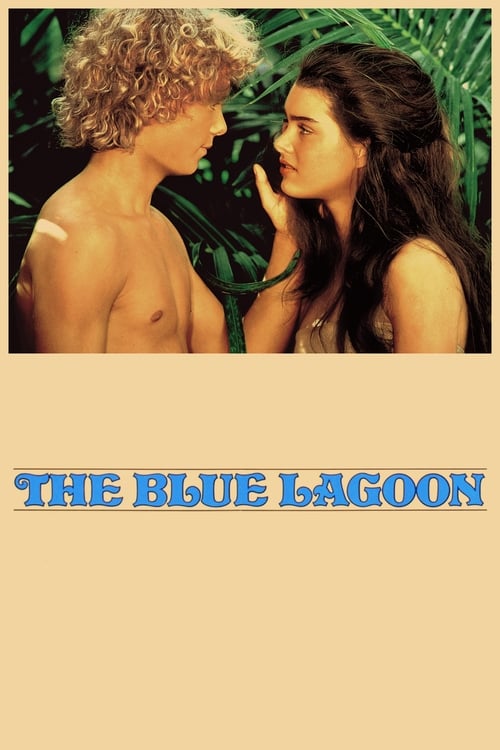
The sun hangs heavy over the South Pacific, its golden light glinting off the endless expanse of water as the year is the late Victorian period, though the exact date is lost to the waves. The deck of a ship is chaos--wood splinters, sails tear, and the ocean swallows everything in its path. Amid the wreckage, two children cling to a piece of flotsam: nine-year-old Richard Lestrange and his seven-year-old cousin, Emmeline Lestrange. Nearby, the ship's galley cook, Paddy Button, struggles to keep his head above water. The three are the only survivors, ripped from the world of civilization and cast into the unknown.
They wash ashore on a lush, tropical island, its beaches white and its jungle thick with life. The wreckage of the ship lies scattered along the shore, a silent testament to the disaster. Paddy, a grizzled man with a rough exterior but a heart shaped by years at sea, takes charge. He gathers the children and leads them away from the wreckage, building a crude shelter near the water's edge. The island is paradise, but Paddy knows danger lurks beneath its beauty. He warns the children about the scarlet berries that grow in the jungle--bright red, tempting, but deadly. "Don't touch them," he says, his voice firm. "They'll put you to sleep forever."
Paddy also discovers something more sinister. Deep in the jungle, on the far side of the island, he finds a stone altar, its surface stained with blood and the remains of what can only be human sacrifices. He forbids the children from ever going there. "That side is cursed," he tells them, his eyes dark with warning. "By law, you don't go there. Understand?" Richard and Emmeline nod, their young minds unable to grasp the full weight of his words, but they obey.
Days turn into weeks, and Paddy teaches the children how to survive. He shows them how to find food, how to build shelter, how to fish. The children grow stronger, their bodies adapting to the island's rhythms. They run barefoot through the jungle, their laughter echoing through the trees. But as time passes, Paddy's authority begins to wane. The children, especially Richard, start to question his rules. One day, Paddy discovers a barrel of rum washed ashore from the shipwreck. He drinks heavily, his mind clouded by the alcohol. The children wake up the next morning to find him lying in the sand, his body still, his breath gone. They flip him over, their faces pale with shock. Paddy Button is dead, killed by his own drunken binge.
The children are alone now, their only guide gone. They pack up their belongings and rebuild their home on a different part of the island, away from the altar and the memories of Paddy. The island becomes their world, its boundaries stretching as far as their imaginations. But as the years pass, the island's secrets begin to reveal themselves. Richard, now a teenager, ventures to the forbidden side of the island. He finds the stone altar, its surface still stained with blood. He watches in horror as indigenous people perform a human sacrifice in front of the statue. The sight terrifies him, and he runs back to Emmeline, his heart pounding.
Emmeline, too, is changing. She discovers Richard's secret--his masturbation--and uses it to taunt him. "I know what you do when you think no one's watching," she says, her voice sharp. "I'll tell Uncle Arthur when we get back." Richard is furious, his face red with anger. "You wouldn't dare," he snaps. But Emmeline is defiant. "Try me," she says.
Their relationship grows strained, the innocence of childhood replaced by the complexities of adolescence. One day, a ship appears on the horizon, the first sign of civilization in years. Emmeline does not light the signal fire. The ship passes by, unaware of their presence. Richard confronts her, his voice filled with disbelief. "Why didn't you light the fire?" he demands. Emmeline looks at him, her eyes steady. "This is our home now," she says. "We should stay here." Richard is angry, his fists clenched. "You never used to laugh at me," he says. "You never used to have secrets you wouldn't tell me."
Their argument escalates. Emmeline throws a coconut at Richard, hitting him in the head by chance. Richard, enraged, slaps her and kicks her out of their shelter. Emmeline tries to survive on her own, but she is hurt after stepping on a stonefish. Richard finds her, deathly sick, and realizes how he truly feels for her. He manages to save her from certain doom, his actions driven by love rather than anger.
Nature runs its course, and their friendship turns into love. They discover the facts of life through natural experience and confusion. Emmeline becomes pregnant, though neither of them understands the cause at first. "Why did you have a baby?" Richard asks, his voice filled with wonder. "I don't know," Emmeline replies. They try to feed the baby fresh fruit, but the child demonstrates the theory and practice of breast-feeding, a revelation that leaves them in awe.
The baby is born, and they name him Paddy, after the cook who cared for them. Their life on the island is simple, but it is filled with love and wonder. They play on the shore, their laughter mingling with the sound of the waves. But their peace is shattered when Richard's father, Arthur Lestrange, approaches the island in a ship. Arthur sees the family playing on the shore, but he does not recognize them. The years have changed them, and their mud-covered bodies make them unrecognizable. Arthur assumes they are not Richard and Emmeline and sails away.
Richard and Emmeline are left alone once more, their hope of rescue dashed. They drift out to sea in a rowboat, their oars lost to the waves. Despairing, they eat the deadly scarlet berries, hoping to end their lives. They lie down together, their bodies weak, their minds drifting. Hours pass, and Arthur's ship returns. Arthur asks, "Are they dead?" The captain replies, "No, sir. They're asleep."
The film ends with the rescued family, their future uncertain but their bond unbroken. The island, with its beauty and danger, has shaped them in ways they cannot fully understand. They are alive, but the question of what comes next hangs in the air, a mystery as vast as the ocean itself.







What is the ending?
In the ending of "The Blue Lagoon," Richard and Emmeline, who have grown up together on a deserted island, face a life-changing event when Emmeline gives birth to a child. Shortly after the birth, a ship arrives, and they are rescued. The film concludes with the couple leaving the island, uncertain of their future but filled with hope.
Now, let's delve into the ending in a more detailed narrative fashion.
As the sun begins to set over the tranquil waters of the lagoon, the atmosphere is filled with a sense of impending change. Richard and Emmeline, now young adults, have formed a deep bond, having spent their formative years isolated from civilization. Emmeline, visibly pregnant, experiences the physical and emotional turmoil of impending motherhood. The lush greenery surrounding them seems to echo her anxiety, while the gentle waves of the lagoon provide a soothing backdrop.
In a pivotal scene, Emmeline goes into labor. Richard, filled with a mix of fear and determination, supports her through the process. The tension is palpable as Emmeline struggles, her face a canvas of pain and resolve. Richard, despite his youth, steps into the role of protector and caregiver, his eyes reflecting both concern and love. The birth is a raw and intimate moment, set against the backdrop of the island's beauty, symbolizing the cycle of life amidst their isolation.
After the baby is born, the couple gazes at their child with a mixture of awe and trepidation. They are filled with joy, yet the reality of their situation weighs heavily on them. The island, once a paradise, now feels like a prison with the responsibility of parenthood looming over them. They share a tender moment, holding their newborn, their connection deepening as they navigate this new chapter together.
Suddenly, the tranquility is shattered by the sight of a ship on the horizon. Richard and Emmeline rush to the beach, their hearts racing with a blend of excitement and fear. The ship, a symbol of civilization and the unknown, approaches slowly. As it draws nearer, the couple stands hand in hand, their expressions a mix of hope and uncertainty about what life beyond the island will hold for them.
The ship's crew, upon spotting the young couple and their child, comes ashore. Richard and Emmeline exchange glances, their bond unbroken despite the impending separation from the only home they have known. The crew members are astonished by the sight of the young family, and there is a moment of hesitation as Richard and Emmeline process the reality of leaving the island.
As they prepare to board the ship, Richard looks back at the lagoon, a place that has been both a sanctuary and a crucible for their love. Emmeline, holding their child, feels a bittersweet pang as she realizes that their idyllic life is coming to an end. The ship's crew helps them aboard, and as they set sail, the island recedes into the distance, a beautiful yet haunting memory.
The film concludes with Richard and Emmeline looking out over the ocean, their future uncertain but filled with the promise of new beginnings. They are no longer just children of the island; they are now parents, embarking on a journey into the world that awaits them. The final shot captures their hopeful expressions, leaving the audience with a sense of both closure and anticipation for what lies ahead.
In summary, Richard and Emmeline's fate is intertwined with their child, as they leave the island behind, stepping into a new life filled with possibilities, yet tinged with the nostalgia of their shared past.
Is there a post-credit scene?
The movie "The Blue Lagoon" produced in 1980 does not have a post-credit scene. The film concludes with the story of Richard and Emmeline, who have grown up on a deserted island and developed a deep bond. The final moments depict their life together, culminating in the birth of their child, as they embrace their new reality. The film ends on a poignant note, focusing on their love and the innocence of their existence, without any additional scenes after the credits.
What happens to the children after the shipwreck?
After the shipwreck, the two children, Richard and Emmeline, are left stranded on a deserted tropical island in the South Pacific. They are initially frightened and confused, but they quickly adapt to their new environment, learning to survive by foraging for food and finding shelter.
How do Richard and Emmeline's relationship evolve throughout the film?
As Richard and Emmeline grow up on the island, their relationship evolves from childhood friendship to romantic love. They experience the innocence of first love, marked by playful interactions and tender moments, which gradually deepen as they navigate the complexities of their feelings for each other.
What challenges do Richard and Emmeline face while living on the island?
Richard and Emmeline face numerous challenges while living on the island, including finding food, building shelter, and dealing with the dangers of nature. They also confront the emotional struggles of isolation and the confusion of growing up without adult guidance.
How does the arrival of the ship affect Richard and Emmeline?
The arrival of a ship brings a mix of emotions for Richard and Emmeline. Initially, they are excited and hopeful for rescue, but they also feel a sense of fear and uncertainty about returning to civilization, as they have grown accustomed to their life on the island and the bond they have formed.
What role does the natural environment play in the lives of Richard and Emmeline?
The natural environment plays a crucial role in the lives of Richard and Emmeline, providing them with food, shelter, and a sense of freedom. The beauty and dangers of the island shape their experiences, influencing their survival skills and emotional growth as they learn to navigate both the physical landscape and their evolving relationship.
Is this family friendly?
The Blue Lagoon (1980) is not considered family-friendly due to several potentially objectionable or upsetting scenes and themes. Here are some aspects that may be concerning for children or sensitive viewers:
-
Nudity and Sexual Themes: The film features scenes of nudity, particularly as the characters grow and explore their sexuality. This includes intimate moments between the two main characters, which may be inappropriate for younger audiences.
-
Isolation and Survival: The story revolves around two children stranded on a deserted island, which can evoke feelings of fear and anxiety related to survival and abandonment.
-
Death and Loss: There are scenes that involve the death of a character, which may be distressing for younger viewers. The emotional impact of loss is portrayed, affecting the main characters deeply.
-
Mature Relationships: The film explores themes of love and attraction in a way that may not be suitable for children, as it delves into the complexities of growing up and forming romantic relationships.
-
Nature and Wildlife: There are moments involving wild animals, including a scene with a snake, which could be frightening for some viewers.
These elements contribute to the film's overall tone and may not be appropriate for all audiences, particularly children.









