


Popular
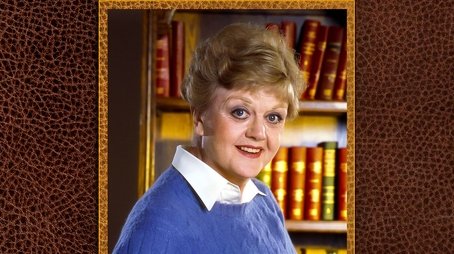
What is Jessica Fletcher's profession and how does it influence her involvement in solving murders?
Who are some of Jessica Fletcher's recurring allies and how do they assist her in investigations?
What role does Cabot Cove play in the series and how does it affect the storylines?
How does Jessica Fletcher's character evolve throughout the series, particularly in her relationships with others?
What are some notable cases that Jessica Fletcher solves, and what unique challenges does she face in each?
Should I watch it?
Ask Your Own Question

What is the plot?
In the pilot episode of "Murder, She Wrote," titled "The Murder of Sherlock Holmes," we are introduced to Jessica Fletcher, a successful mystery novelist living in the small town of Cabot Cove, Maine. The story begins with Jessica receiving an invitation to a weekend retreat at a luxurious estate owned by her friend, the wealthy and eccentric author, Ian D. McCulloch. Jessica is excited about the opportunity to meet other writers and share ideas.
Upon arriving at the estate, Jessica meets several other guests, including a pompous literary critic, a young aspiring writer, and a famous mystery author. The atmosphere is lively, filled with discussions about writing and the literary world. However, tensions arise when Ian announces that he will be hosting a contest to determine who can write the best mystery story over the weekend. The winner will receive a substantial cash prize, which ignites a competitive spirit among the guests.
As the weekend progresses, the guests engage in various activities, including a dinner where they share their stories. The mood shifts dramatically when Ian is found dead in his study, apparently murdered. The guests are thrown into chaos, and the local police are called to investigate. Jessica, with her keen observational skills and experience as a mystery writer, takes it upon herself to uncover the truth behind Ian's death.
Jessica begins her investigation by interviewing the other guests, each of whom has a motive for wanting Ian dead. She learns that Ian had a reputation for being ruthless in his critiques, which had alienated many aspiring writers. As she delves deeper, she discovers that Ian had recently threatened to expose a scandal involving one of the guests, further complicating the motives.
During her investigation, Jessica uncovers a series of clues, including a torn page from a manuscript and a hidden letter in Ian's desk. She also observes the interactions between the guests, noting their nervous behaviors and inconsistencies in their alibis. Jessica's intuition leads her to suspect that the murder was premeditated, and she begins to piece together the timeline of events leading up to Ian's death.
As Jessica gathers more evidence, she confronts the guests with her findings, leading to heated arguments and accusations. The tension escalates when another guest is found dead, raising the stakes and intensifying Jessica's urgency to solve the case. She realizes that the killer is among them and that time is running out.
In a climactic scene, Jessica gathers all the guests in the drawing room to reveal her deductions. She meticulously outlines the motives and opportunities of each guest, building suspense as she narrows down the suspects. Finally, she reveals the murderer, exposing the intricate web of jealousy and ambition that led to the tragic events.
The episode concludes with Jessica reflecting on the nature of creativity and the darker sides of human ambition, as she prepares to return to Cabot Cove, satisfied that justice has been served. The guests, now united in their shared experience, express their gratitude to Jessica for her brilliant deduction, solidifying her reputation as an amateur sleuth.









What is the ending?
Murder, She Wrote is a television series that aired from 1984 to 1996, featuring Jessica Fletcher, a mystery writer and amateur detective. Each episode typically concludes with Jessica solving a murder case, revealing the culprit, and restoring order.
In the final moments of each episode, Jessica often gathers the suspects in a dramatic reveal, explaining the clues that led her to the murderer. The episode concludes with the murderer being apprehended, and Jessica reflecting on the nature of justice and human behavior.
Now, let's delve into a specific episode's ending in detail.
Expanded Ending Narrative:
The episode begins to reach its climax as Jessica Fletcher, played by Angela Lansbury, gathers the remaining suspects in the grand living room of a lavish estate. The atmosphere is thick with tension, the air heavy with unspoken accusations and lingering fear. The room is dimly lit, with shadows dancing across the walls, creating an almost theatrical backdrop for the impending revelation.
Jessica stands confidently at the center, her keen eyes scanning the faces of those around her. Each character is a tapestry of emotions--fear, guilt, and desperation etched into their features. The camera pans slowly, capturing the nervous fidgeting of one suspect, the cold detachment of another, and the barely concealed anger of a third.
As she begins to speak, her voice is calm yet authoritative, drawing everyone's attention. She methodically recounts the events leading up to the murder, her words weaving a narrative that connects the dots between the clues she has uncovered. The audience can see the flicker of realization in the eyes of the suspects as they begin to understand how their actions have been laid bare.
Jessica points out the inconsistencies in their alibis, the small details that seemed insignificant at first but now shine like beacons of truth. She highlights a crucial piece of evidence--a forgotten item that links one of the suspects directly to the crime scene. The tension escalates as she reveals the motive, a tangled web of jealousy and betrayal that has driven one character to commit murder.
As the murderer is unmasked, the camera zooms in on their face, capturing the moment of defeat and despair. The once confident demeanor crumbles, revealing the vulnerability beneath. The other suspects react with a mix of shock and relief, their own fears momentarily alleviated by the revelation of the true culprit.
The police arrive, and the murderer is taken into custody, their fate sealed by the evidence Jessica has meticulously pieced together. The room begins to empty, the weight of the crime lifting as justice is served. Jessica stands alone for a moment, reflecting on the fragility of human relationships and the darkness that can lurk beneath the surface.
In the final scene, Jessica walks outside into the cool evening air, the sun setting in the distance. She takes a deep breath, her expression a blend of satisfaction and sorrow. The camera lingers on her face, capturing the complexity of her emotions--she has solved another mystery, but at what cost to the lives involved?
As she walks away, the screen fades to black, leaving the audience with a sense of closure yet a lingering reminder of the moral complexities of human nature. Each character's fate is sealed: the murderer faces justice, while the others are left to grapple with the aftermath of betrayal and loss, a poignant reminder of the consequences of their actions.
Is there a post-credit scene?
"Murder, She Wrote," which premiered in 1984, does not feature post-credit scenes. The show typically concludes each episode with a final scene that wraps up the mystery, often featuring Jessica Fletcher reflecting on the events that transpired or sharing a light-hearted moment with a friend or family member. The format focuses on the resolution of the murder case, leaving viewers with a sense of closure before the credits roll. Each episode stands alone, and there are no additional scenes after the credits.
What is Jessica Fletcher's profession and how does it influence her involvement in solving murders?
Jessica Fletcher is a mystery novelist and a former schoolteacher. Her profession as a writer gives her a keen analytical mind and an understanding of human behavior, which she uses to piece together clues and solve murders. Her background allows her to approach each case with a unique perspective, often drawing parallels between her fictional stories and real-life events.
Who are some of Jessica Fletcher's recurring allies and how do they assist her in investigations?
Jessica Fletcher often collaborates with her friend Sheriff Mort Metzger and local law enforcement, who sometimes are skeptical of her involvement but ultimately respect her insights. Additionally, her friend Dr. Seth Hazlitt provides medical expertise, while her various acquaintances and family members often become involved in the cases, providing emotional support and additional perspectives.
What role does Cabot Cove play in the series and how does it affect the storylines?
Cabot Cove, a small coastal town in Maine, serves as the primary setting for many of the murders Jessica investigates. The close-knit community is filled with quirky characters, which adds depth to the storylines. The town's picturesque charm contrasts with the dark events that unfold, creating a unique backdrop that influences the plot and character interactions.
How does Jessica Fletcher's character evolve throughout the series, particularly in her relationships with others?
Throughout the series, Jessica Fletcher evolves from a solitary figure into a beloved member of her community. Her relationships deepen with characters like Sheriff Metzger and Dr. Hazlitt, showcasing her warmth and empathy. As she solves more cases, her reputation grows, leading to both admiration and jealousy from others, which adds complexity to her interactions.
What are some notable cases that Jessica Fletcher solves, and what unique challenges does she face in each?
In various episodes, Jessica Fletcher tackles notable cases such as the murder of a fellow author at a writers' retreat, where she must navigate the competitive literary world, and the death of a local politician, which involves uncovering town secrets. Each case presents unique challenges, such as dealing with uncooperative witnesses or facing personal threats, testing her resolve and ingenuity.
Is this family friendly?
"Murder, She Wrote," which premiered in 1984, is generally considered family-friendly, but it does contain some elements that may be unsettling for children or sensitive viewers. Here are a few aspects to consider:
-
Murder Themes: The central premise revolves around murder mysteries, which may include discussions of death, crime scenes, and the investigation of homicides. While the show handles these topics with a degree of sophistication, the concept of murder itself may be distressing for younger viewers.
-
Violence: Although the violence is not graphic, there are scenes depicting crime and the aftermath of murders, which may be unsettling. The show often portrays the emotional impact of these events on the characters involved.
-
Suspenseful Moments: The series includes suspenseful and tense scenes that may evoke fear or anxiety, particularly during the investigation phases where danger may be implied.
-
Emotional Reactions: Characters often experience grief, betrayal, and fear, which can lead to intense emotional moments. These reactions may resonate deeply with sensitive viewers.
-
Adult Themes: Some episodes touch on themes of jealousy, revenge, and moral ambiguity, which may not be suitable for younger audiences without parental guidance.
Overall, while "Murder, She Wrote" is crafted to be engaging and entertaining, its themes and content may require discretion for younger or more sensitive viewers.