
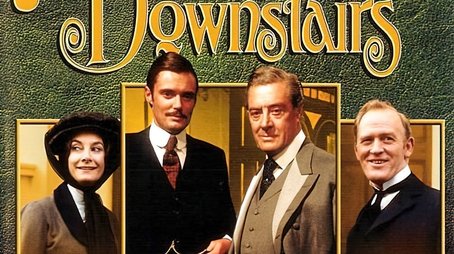


Popular
What is the significance of the character Rose in the series?
How does the character of Richard Bellamy evolve throughout the series?
What role does the character of Lady Marjorie Bellamy play in the household dynamics?
How does the series portray the relationship between the servants and the Bellamy family?
What are some key events that lead to the downfall of the Bellamy family?
Should I watch it?
Ask Your Own Question

What is the plot?
"Upstairs, Downstairs" begins in 1903 at 165 Eaton Place, a grand townhouse in London, where the lives of the wealthy Bellamy family and their servants intertwine. The series opens with the arrival of a new housemaid, Rose Buck, who is eager to start her job. She is introduced to the household staff, including the stern butler, Mr. Hudson, and the cook, Mrs. Bridges. The Bellamy family consists of Richard Bellamy, the head of the household, his wife, Lady Marjorie, their son, James, and their daughter, Elizabeth.
As the series progresses, the Bellamys navigate various social events and personal challenges. Richard is often preoccupied with his political ambitions, while Lady Marjorie is concerned with maintaining the family's social standing. Elizabeth, a spirited young woman, seeks independence and often clashes with her parents over her desire to pursue her own interests, including a budding romance with a man of lower social standing.
In the first few episodes, the household faces the challenges of the Edwardian era, including class distinctions and the changing social landscape. The servants, particularly Rose, develop their own storylines, revealing their aspirations and struggles. Rose's relationship with the other staff, especially with Mr. Hudson, is marked by tension as she tries to assert her place in the household.
As the series unfolds, significant events occur, such as the arrival of new characters, including the enigmatic and charming butler, Mr. Bellamy, who stirs up emotions among the staff. The Bellamys host various parties and events, showcasing the opulence of their lifestyle while also highlighting the stark contrast with the lives of their servants. The dynamics between the upstairs and downstairs characters become increasingly complex, with romantic entanglements and personal conflicts arising.
One pivotal moment occurs when Elizabeth becomes engaged to a wealthy suitor, which causes friction with her parents, who have different expectations for her future. Meanwhile, Rose finds herself in a romantic relationship with a footman, which complicates her position within the household. The tension between the classes is palpable, as the servants often feel the weight of their social status in contrast to the Bellamys' privileged life.
As the series progresses into World War I, the impact of the war is felt throughout the household. The Bellamys face personal losses, and the servants are drawn into the war effort, leading to significant changes in their roles and relationships. The emotional toll of the war creates a rift between the characters, as they grapple with grief, loyalty, and the shifting social order.
In the later episodes, the series explores themes of loyalty and betrayal, as characters make choices that affect their futures. The Bellamys must confront the realities of a post-war society, where their traditional way of life is threatened. Elizabeth's desire for independence grows stronger, leading her to make decisions that challenge her family's expectations.
The series culminates in a series of dramatic events that test the bonds between the characters. The Bellamys face financial difficulties, and the household staff must navigate their own challenges as they seek to maintain their positions. The emotional stakes rise as relationships are tested, and characters must confront their past choices.
In the final episodes, the series concludes with a sense of uncertainty for both the Bellamys and their servants. The changing social landscape leaves the future of 165 Eaton Place in question, as the characters reflect on their lives and the choices they have made. The series ends on a poignant note, capturing the complexities of class, loyalty, and the passage of time in early 20th-century England.









What is the ending?
In the final episode of "Upstairs, Downstairs," titled "The Last Will and Testament of Edward Malone," the series concludes with the departure of the Bellamy family from 165 Eaton Place and the subsequent changes in the lives of the servants. The episode encapsulates the end of an era, highlighting the shifting social dynamics of the time.
As the episode unfolds, the Bellamy family prepares to leave their home, which has been a central character throughout the series. Richard Bellamy, the head of the household, is faced with the reality of selling the house and moving away, which brings a sense of nostalgia and sadness. Meanwhile, the servants, led by the steadfast butler, Mr. Hudson, grapple with their own futures as the household disbands.
The episode culminates in a poignant farewell, where the characters reflect on their time together, the bonds formed, and the changes that lie ahead. The fate of each character is revealed, with some moving on to new opportunities while others face uncertainty.
In the expanded narrative:
The scene opens in the grand drawing room of 165 Eaton Place, where the atmosphere is heavy with the weight of impending change. Richard Bellamy stands by the window, gazing out at the street below, lost in thought. His wife, Lady Marjorie, enters, her expression a mix of resignation and nostalgia. They discuss the sale of the house, reminiscing about the many memories it holds. The camera captures the intricate details of the room, from the ornate furnishings to the family portraits lining the walls, symbolizing the legacy they are about to leave behind.
As the day progresses, the household staff begins to pack up their belongings. Mr. Hudson, the loyal butler, oversees the process with a sense of duty, though his heart is heavy. He shares a quiet moment with Mrs. Bridges, the cook, who expresses her sadness at the thought of leaving the only home she has known. Their conversation reveals the deep bonds formed over the years, underscoring the theme of loyalty and service.
In the kitchen, Daisy, the housemaid, and Edward, the footman, discuss their uncertain futures. Daisy is hopeful about finding a new position, while Edward reveals his plans to leave London altogether. Their youthful optimism contrasts with the somber mood of the household, highlighting the generational divide and the changing social landscape.
As the final hours at Eaton Place draw near, the Bellamys host a farewell gathering for their friends and family. The room is filled with laughter and tears as guests share stories and memories. Richard delivers a heartfelt speech, acknowledging the contributions of the staff and the importance of their roles in the household. The camera pans to the faces of the servants, capturing their pride and sorrow as they realize their time together is coming to an end.
In the closing moments, the Bellamys prepare to leave, and the staff gathers in the hallway for a final farewell. Mr. Hudson stands tall, embodying the dignity of service, while Mrs. Bridges wipes away a tear. Daisy and Edward exchange a bittersweet glance, knowing their paths are diverging. The Bellamys exit the house, and the door closes behind them, symbolizing the end of an era.
The final scene lingers on the empty drawing room, now devoid of life, as the camera slowly pulls back, revealing the dust settling on the furniture. The series concludes with a sense of finality, leaving the audience to reflect on the lives intertwined within the walls of Eaton Place and the inevitable march of time that changes everything. Each character's fate is left open-ended, suggesting both the promise of new beginnings and the melancholy of what has been lost.
Is there a post-credit scene?
The 1971 series "Upstairs, Downstairs" does not feature post-credit scenes. The show concludes each episode with a traditional ending, often leaving viewers with a sense of closure or a cliffhanger related to the characters' lives, but there are no additional scenes after the credits. The focus remains on the intricate relationships and social dynamics between the upper-class Bellamy family and their servants, exploring the themes of class and personal struggle throughout the series. Each episode stands alone, with its narrative wrapped up before the credits roll, maintaining the storytelling style typical of the era.
What is the significance of the character Rose in the series?
Rose, played by Angela Baddeley, serves as the housemaid in the Bellamy household. Her character is significant as she embodies the struggles and aspirations of the lower class during the early 20th century. Throughout the series, Rose's interactions with both the family and the other servants reveal her loyalty, her ambitions, and her emotional depth, particularly in her relationships with characters like Hudson and the Bellamy family.
How does the character of Richard Bellamy evolve throughout the series?
Richard Bellamy, portrayed by David Langton, begins as a traditional upper-class gentleman, embodying the values and expectations of his social class. As the series progresses, particularly through the tumultuous events of World War I and the changing social landscape, Richard's character evolves. He grapples with the implications of class disparity, his responsibilities as a patriarch, and his personal relationships, especially with his wife, Lady Marjorie, and his staff, leading to moments of introspection and conflict.
What role does the character of Lady Marjorie Bellamy play in the household dynamics?
Lady Marjorie Bellamy, played by Rachel Gurney, is the matriarch of the Bellamy family and plays a crucial role in the household dynamics. Her character often reflects the complexities of upper-class women during the period, balancing societal expectations with her personal desires. Her relationships with her husband, Richard, and the staff, particularly with Rose and Hudson, reveal her struggles with authority, compassion, and the changing roles of women in society.
How does the series portray the relationship between the servants and the Bellamy family?
The relationship between the servants and the Bellamy family is portrayed with a nuanced complexity throughout the series. Characters like Hudson, the butler, and Rose, the housemaid, navigate a world of class distinction, loyalty, and personal ambition. The series often highlights moments of tension and camaraderie, showcasing how the servants' lives are intertwined with the Bellamys, revealing both the power dynamics and the emotional connections that develop over time.
What are some key events that lead to the downfall of the Bellamy family?
Key events that lead to the downfall of the Bellamy family include the impact of World War I, which alters the social fabric of England and challenges the traditional class system. The loss of family members, such as the death of Richard's brother, and the financial strains that result from the war contribute to their decline. Additionally, personal conflicts, such as Richard's struggles with his identity and Lady Marjorie's increasing discontent with their lifestyle, further exacerbate the family's challenges, culminating in significant changes to their household and status.
Is this family friendly?
"Upstairs, Downstairs," produced in 1971, is a period drama that explores the lives of the wealthy Bellamy family and their servants in a London townhouse during the early 20th century. While the show is rich in character development and historical context, it does contain some themes and scenes that may be considered objectionable or upsetting for children or sensitive viewers.
-
Class Struggles: The show frequently addresses the stark differences between the upper and lower classes, which can lead to discussions about inequality and social injustice.
-
Death and Grief: Several episodes feature the death of characters, which can evoke strong emotions and may be distressing for younger viewers.
-
Domestic Conflict: There are instances of tension and conflict between characters, both upstairs and downstairs, which can include arguments and emotional distress.
-
Romantic Relationships: The series explores various romantic entanglements, some of which may involve infidelity or unrequited love, presenting complex emotional situations.
-
Historical Context: The show touches on issues such as war, poverty, and the impact of historical events on personal lives, which may be heavy themes for younger audiences.
-
Substance Use: There are occasional references to alcohol consumption, which may not be suitable for all viewers.
Overall, while "Upstairs, Downstairs" offers a rich narrative and character exploration, its themes and some scenes may require parental discretion for younger audiences.