
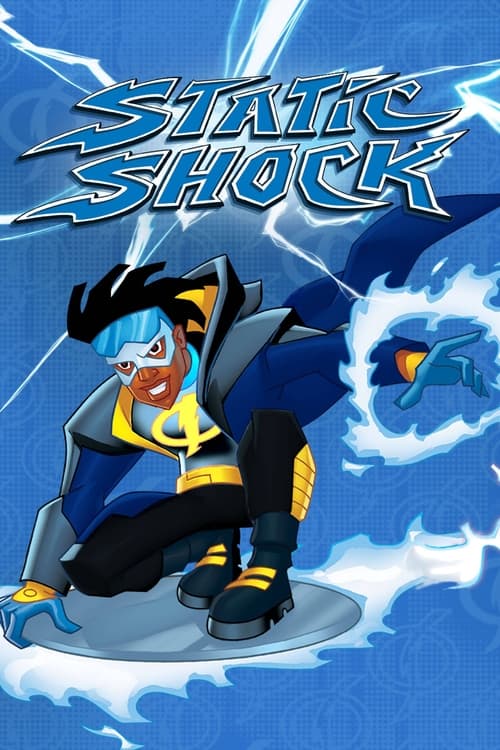






Popular
What are the origins of Virgil Hawkins' powers as Static Shock?
How does Virgil's relationship with his father evolve throughout the series?
What role does Richie Foley play in Static's life and how does he contribute to the story?
Who are some of the main villains Static Shock faces, and what are their motivations?
What is the significance of the character Gear in the series?
Should I watch it?
Ask Your Own Question

What is the plot?
In the pilot episode of Static Shock, we are introduced to Virgil Hawkins, a typical teenager living in Dakota City. He is a bright and curious young man who struggles with the challenges of adolescence, including fitting in at school and dealing with his crush on a girl named Frieda. The story begins with Virgil's life at home, where he shares a close bond with his father, Robert Hawkins, and his younger sister, Sharon. Virgil's life takes a turn when he witnesses a gang fight at a local park, which leads to a confrontation with a group of bullies.
During this altercation, Virgil is caught in a mysterious explosion caused by a chemical spill from a nearby laboratory. This explosion is part of a larger event known as the "Big Bang," which releases a variety of chemicals into the air, affecting many people in the city. Virgil is one of the individuals who gains superpowers from this incident, specifically the ability to manipulate electromagnetic energy. Initially, he struggles to control his newfound powers, leading to a series of humorous and chaotic situations.
As Virgil begins to explore his abilities, he faces the challenge of keeping his powers a secret from his family and friends. He confides in his best friend, Richie Foley, who becomes an important ally in helping him understand and harness his powers. Richie is fascinated by Virgil's abilities and encourages him to use them for good. Together, they brainstorm ways to fight crime and help those in need, leading Virgil to adopt the superhero persona of "Static."
Virgil's first major confrontation as Static occurs when he faces off against a villain named Hotstreak, a gang member who has the power to control fire. The battle takes place in a rundown part of Dakota City, where Hotstreak is terrorizing a group of innocent bystanders. Static intervenes, using his electromagnetic powers to create shields and projectiles to defend the civilians. The fight is intense, with Hotstreak unleashing flames and Static countering with bursts of electricity. Despite the chaos, Static manages to outsmart Hotstreak, using his agility and quick thinking to defeat him and save the day.
Following this victory, Static becomes a local hero, gaining attention from the media and the community. However, he also attracts the attention of other villains, including the notorious gang leader, the "Big Bang" gang, who are determined to take down Static. This leads to a series of confrontations where Static must navigate the challenges of being a superhero while also dealing with the pressures of teenage life, including school, friendships, and family dynamics.
As the series progresses, Static encounters various villains, each with unique powers and motivations. He faces off against characters like the villainous Gear, who becomes an ally, and the evil mastermind, the "Brainiac," who seeks to exploit the chaos in Dakota City for his own gain. Throughout these encounters, Static learns valuable lessons about responsibility, friendship, and the importance of standing up for what is right.
In the climax of the series, Static confronts a powerful adversary who threatens the safety of Dakota City. This battle is the culmination of his journey as a hero, showcasing his growth and development. With the support of his friends and family, Static ultimately triumphs, solidifying his place as a protector of the city.
The series concludes with Static embracing his role as a superhero, balancing his responsibilities to his community with his personal life. He continues to fight against injustice, using his powers to inspire others and make a difference in the world around him.
🔥 Trending TV Shows Now
Browse All TV Shows →








What is the ending?
In the final episode of Static Shock, titled "Toys in the Attic," Virgil Hawkins, also known as Static, faces off against a villain named the Joker, who has taken control of a group of children. The episode culminates in a battle where Static must save his friends and defeat the Joker, ultimately showcasing his growth as a hero and his commitment to protecting those he cares about.
As the episode begins, we find Virgil Hawkins, a teenager with the ability to manipulate electromagnetic energy, grappling with the challenges of being a superhero while balancing his everyday life. The scene opens with Virgil and his best friend, Richie Foley, discussing their latest adventures and the responsibilities that come with their powers. The atmosphere is light-hearted, filled with laughter and camaraderie, but there is an underlying tension as they prepare for the challenges ahead.
The narrative shifts when they encounter a new threat: a villain who has been using mind control to manipulate children into committing crimes. The Joker, a notorious figure in the criminal underworld, has taken a group of kids hostage, using them as pawns in his twisted game. The stakes are raised as Virgil realizes that his friends are among those captured, igniting a fierce determination within him to rescue them.
As Static, Virgil confronts the Joker in a tense showdown. The scene is charged with energy as Static uses his powers to create barriers and deflect attacks, showcasing his growth as a hero. The Joker, with his maniacal laughter and unpredictable behavior, presents a formidable challenge. The battle is intense, filled with dynamic visuals of electricity crackling and the Joker's chaotic antics.
Throughout the confrontation, Virgil's internal struggle is palpable. He is not just fighting for his friends; he is also battling his own fears and insecurities about being a hero. The emotional weight of the situation is evident as he recalls the moments of friendship and loyalty that have defined his journey. This personal connection fuels his resolve, pushing him to fight harder against the Joker's manipulations.
As the climax approaches, Static manages to break the Joker's hold over the children, freeing them from his control. The moment is triumphant, filled with relief and joy as the kids regain their autonomy. However, the Joker, realizing he is losing, becomes increasingly desperate and dangerous. The final confrontation is a whirlwind of action, with Static using his powers in innovative ways to outsmart the villain.
In the end, Static successfully defeats the Joker, restoring peace and safety to the community. The children, now free, express their gratitude, and Virgil feels a sense of fulfillment in having protected them. The episode concludes with a poignant moment where Virgil reflects on the importance of friendship, responsibility, and the impact of his actions as a hero.
As the credits roll, we see Virgil and Richie sharing a light-hearted moment, reinforcing their bond and the idea that together, they can face any challenge. The fate of each main character is clear: Virgil continues his journey as Static, committed to using his powers for good, while Richie remains by his side as a loyal friend and ally. The episode encapsulates the essence of heroism, emphasizing the importance of courage, friendship, and the fight against injustice.
Is there a post-credit scene?
The TV show "Static Shock," produced in 2000, does not feature post-credit scenes in the traditional sense that many modern shows do. Each episode typically concludes with a brief wrap-up or moral lesson, often delivered by the main character, Virgil Hawkins, also known as Static. These endings serve to reinforce the themes of the episode rather than setting up future storylines or providing additional content after the credits.
The focus of the series is on Virgil's journey as a teenager grappling with his newfound powers, the challenges of adolescence, and the responsibility that comes with being a superhero. The episodes are self-contained, and while there are overarching themes and character development throughout the series, there are no specific post-credit scenes to elaborate on or tease future events.
What are the origins of Virgil Hawkins' powers as Static Shock?
Virgil Hawkins, a teenager living in Dakota City, gains his powers as Static Shock after being exposed to a mutagenic gas during a gang fight involving the 'Big Bang' event. This gas grants him the ability to manipulate electromagnetic fields, allowing him to generate electricity, fly, and create force fields.
How does Virgil's relationship with his father evolve throughout the series?
Virgil's relationship with his father, Robert Hawkins, is complex and evolves significantly. Initially, Robert is unaware of Virgil's superhero activities and is concerned about his son's safety and future. As the series progresses, Robert learns about Virgil's alter ego and struggles with the dangers that come with it, leading to moments of tension but ultimately fostering a deeper understanding and bond between them.
What role does Richie Foley play in Static's life and how does he contribute to the story?
Richie Foley, Virgil's best friend, plays a crucial role as both a confidant and a tech-savvy sidekick. He helps Virgil navigate his dual life as a teenager and a superhero, often providing him with gadgets and support. Richie's character also explores themes of friendship and loyalty, as he stands by Virgil through various challenges, including the discovery of his own potential as the hero Gear.
Who are some of the main villains Static Shock faces, and what are their motivations?
Static Shock faces several notable villains, including the likes of Hotstreak, a gang member with pyrokinetic abilities who seeks power and respect; and the villainous group known as the Meta-Breed, who are motivated by a desire for dominance over humans. Each villain presents unique challenges that test Static's abilities and moral compass, often reflecting societal issues such as prejudice and the consequences of power.
What is the significance of the character Gear in the series?
Gear, also known as Richie Foley, becomes a significant character as he evolves from Virgil's sidekick to a hero in his own right. His journey includes developing his own set of gadgets and abilities, which allows him to assist Static in battles. Gear's character highlights themes of growth, friendship, and the importance of collaboration in fighting against injustice.
Is this family friendly?
"Static Shock," produced in 2000, is generally considered family-friendly, but it does address some serious themes that may be sensitive for children or more sensitive viewers. Here are some potentially objectionable or upsetting aspects:
-
Violence and Crime: The show features various villains and criminal activities, including gang violence and confrontations that may depict physical altercations. Some scenes may show characters in danger or being threatened.
-
Bullying: The series addresses bullying in schools, which can be distressing for children who may relate to the experiences of the characters.
-
Social Issues: Topics such as racism, poverty, and discrimination are explored, which may be heavy for younger viewers. The show often presents these issues in a way that encourages discussion but can still be upsetting.
-
Death and Loss: There are moments that touch on loss and the impact of violence, which can be emotional and may resonate deeply with sensitive viewers.
-
Supernatural Elements: The presence of superpowers and the consequences of their use can lead to intense situations, including the potential for harm to characters.
While the show aims to convey positive messages about friendship, responsibility, and standing up for what is right, parents may want to preview episodes to gauge their appropriateness for their children.