


Popular
What is the relationship between Buster Bunny and Babs Bunny?
How does Plucky Duck's personality affect his interactions with other characters?
What role does Elmyra Duff play in the series, and how does her character impact the other characters?
How does the character of Dizzy Devil contribute to the humor of the show?
What are some notable episodes that focus on the character of Fifi La Fume?
Should I watch it?
Ask Your Own Question

What is the plot?
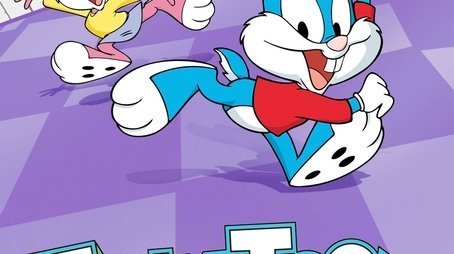
In the pilot episode of Tiny Toon Adventures, titled "The Looney Beginning," the story opens with a vibrant and chaotic scene at Acme Looniversity, where young cartoon characters are training to become the next generation of Looney Tunes. The main characters, Buster Bunny and Babs Bunny, are introduced as they excitedly discuss their aspirations to become famous cartoon stars. They are eager to learn from their mentors, the classic Looney Tunes characters like Bugs Bunny and Daffy Duck.
As the episode progresses, Buster and Babs attend their first class, taught by Bugs Bunny. He explains the importance of comedy and timing in cartooning, using slapstick humor to engage the students. The classroom is filled with other notable characters, including Plucky Duck, Hamton Pig, and Fifi La Fume, each showcasing their unique personalities and quirks. The students are enthusiastic, but their excitement quickly turns to chaos when Daffy Duck interrupts the class, leading to a series of comedic mishaps.
After the class, Buster and Babs decide to explore the campus. They stumble upon a secret area where they find a hidden treasure map. The map is said to lead to a legendary treasure that could make them famous. Motivated by the prospect of fame and fortune, they gather their friends, Plucky and Hamton, to embark on an adventure to find the treasure. Each character expresses their own motivations: Buster is driven by a desire to prove himself, while Babs is excited about the adventure and the potential for fame.
The group sets off on their treasure hunt, following the clues on the map. Their journey takes them through various whimsical and exaggerated landscapes, filled with cartoonish obstacles. They encounter a series of challenges, including a giant rubber chicken that they must navigate around and a treacherous swamp filled with animated hazards. Each character contributes their unique skills to overcome these challenges, showcasing teamwork and friendship.
As they get closer to the treasure, they face a major setback when they are confronted by a rival group led by Elmyra Duff, who is determined to claim the treasure for herself. A comedic chase ensues, with both groups using their cartoonish abilities to outsmart each other. Buster and Babs use their quick thinking and agility to evade Elmyra and her friends, leading to a series of slapstick gags that highlight their resourcefulness.
Eventually, the two groups reach the final destination marked on the treasure map, which leads them to a hidden cave. Inside, they discover a treasure chest, but it is guarded by a comically oversized monster. The monster, however, turns out to be more of a nuisance than a threat, as it is easily distracted by the antics of the characters. Buster and Babs devise a plan to distract the monster while the others retrieve the treasure.
In a climactic moment, Buster and Babs execute their plan flawlessly, using humor and clever tricks to keep the monster occupied. Meanwhile, Plucky and Hamton manage to open the treasure chest, revealing not gold or jewels, but a collection of classic cartoon props and memorabilia. Initially disappointed, the group realizes that the true treasure is the fun and adventure they shared together.
The episode concludes with the characters returning to Acme Looniversity, where they reflect on their adventure. They understand that while fame and fortune are appealing, the bonds of friendship and the joy of creating together are what truly matter. The final scene features a humorous wrap-up with Bugs Bunny and Daffy Duck, who comment on the events of the episode, reinforcing the lighthearted and comedic tone of the series.









What is the ending?
In the final episode of Tiny Toon Adventures, the characters face a series of comedic and chaotic challenges that ultimately lead to a resolution of their adventures. Buster Bunny, Babs Bunny, and their friends learn valuable lessons about teamwork and friendship as they navigate through various misadventures, culminating in a celebratory moment that reinforces their bond.
As the episode unfolds, we see Buster and Babs Bunny, along with their friends, preparing for a big performance at Acme Looniversity. The excitement is palpable as they rehearse their acts, showcasing their unique talents. However, chaos ensues when the villainous Elmyra Duff attempts to capture the characters for her own amusement, leading to a series of slapstick encounters.
Scene by scene, the tension builds. Buster and Babs, determined to save their friends, devise a plan to outsmart Elmyra. They rally their classmates, including Plucky Duck, Hamton J. Pig, and others, to work together. Each character brings their own flair to the plan, highlighting their individual strengths and quirks.
As they execute their plan, the scenes are filled with vibrant animation and humorous antics. Plucky Duck attempts to distract Elmyra with his over-the-top antics, while Hamton uses his resourcefulness to create makeshift traps. Babs showcases her quick thinking and charm, often turning the tables on Elmyra with clever quips and unexpected moves.
The climax of the episode occurs when the characters finally confront Elmyra in a grand showdown. The animation is frenetic, with exaggerated movements and comedic timing that keeps the audience engaged. Just when it seems Elmyra has the upper hand, the teamwork of Buster, Babs, and their friends shines through. They execute a perfectly timed plan that leads to Elmyra's comedic downfall, sending her tumbling away in a cloud of dust.
In the aftermath, the characters gather together, exhausted but triumphant. They celebrate their victory with a heartfelt moment, reflecting on the importance of friendship and collaboration. Buster and Babs share a knowing glance, their bond stronger than ever. The episode concludes with a musical number that encapsulates their adventures, leaving the audience with a sense of joy and camaraderie.
As the credits roll, we see glimpses of each character's fate: Buster and Babs continue to lead their friends in new adventures, Plucky Duck remains the ever-ambitious dreamer, and Hamton finds joy in the chaos of their lives. The final scene reinforces the message that together, they can overcome any obstacle, solidifying their place as beloved characters in the world of animation.
Is there a post-credit scene?
Tiny Toon Adventures, produced in 1990, does not typically feature post-credit scenes. The episodes generally conclude with a final gag or a humorous wrap-up that ties back to the episode's theme or storyline, but they do not include additional scenes after the credits roll. The show's format focuses on delivering a complete story within the episode itself, often ending with a comedic punchline or a character's quirky remark. Therefore, viewers can expect the episode to finish without any additional content once the credits begin.
What is the relationship between Buster Bunny and Babs Bunny?
Buster Bunny and Babs Bunny share a close friendship that often hints at a deeper bond. They are both students at Acme Looniversity, where they learn the tricks of the cartoon trade. Buster is often portrayed as the more laid-back and confident character, while Babs is energetic and ambitious. Their dynamic is characterized by playful banter and mutual support, showcasing their loyalty to each other throughout various adventures.
How does Plucky Duck's personality affect his interactions with other characters?
Plucky Duck is characterized by his overconfidence and ambition, often leading him to take on roles that are beyond his capabilities. His desire for fame and recognition frequently puts him at odds with his friends, particularly with Buster and Babs. For instance, in episodes where he attempts to outshine others, his arrogance often leads to humorous failures, revealing his vulnerability and the importance of teamwork.
What role does Elmyra Duff play in the series, and how does her character impact the other characters?
Elmyra Duff is portrayed as a sweet yet overly affectionate character who has a penchant for capturing and 'loving' animals, particularly the show's various critters. Her obsession often leads to chaotic situations, as her intentions are good but her methods are misguided. This creates comedic tension, especially for characters like Fifi La Fume, who must navigate Elmyra's affections while trying to maintain their own autonomy.
How does the character of Dizzy Devil contribute to the humor of the show?
Dizzy Devil is a hyperactive character whose wild antics and unpredictable behavior provide a unique brand of slapstick humor. His ability to spin rapidly and create chaos around him often leads to exaggerated situations that highlight the absurdity of cartoon physics. His interactions with other characters, especially when he inadvertently disrupts their plans, add a layer of comedic unpredictability that is central to the show's charm.
What are some notable episodes that focus on the character of Fifi La Fume?
Fifi La Fume is featured prominently in episodes that explore her romantic pursuits and her desire for love, often leading to humorous misunderstandings. In episodes like 'Love Disconnection,' her infatuation with various characters, particularly with the oblivious Plucky Duck, showcases her determination and the comedic consequences of her affections. These episodes highlight her character's depth, balancing her romantic aspirations with her quirky personality.
Is this family friendly?
"Tiny Toon Adventures," produced in 1990, is generally considered family-friendly, designed to entertain children while also appealing to a broader audience. However, there are a few aspects that might be considered potentially objectionable or upsetting for some children or sensitive viewers:
-
Cartoon Violence: The show features slapstick humor and cartoon violence, including characters getting hurt in exaggerated ways, such as falling, being hit with objects, or engaging in wild chases. While this is typical of cartoon antics, it may be alarming to some viewers.
-
Mild Scares: Certain episodes include spooky themes or characters that might be frightening for younger children, such as ghosts or monsters, presented in a comedic context but still potentially unsettling.
-
Silly Adult Humor: Some jokes and references may go over the heads of younger viewers but could be interpreted as inappropriate by parents, as they sometimes include mild innuendos or social commentary.
-
Emotional Conflict: Characters occasionally face emotional challenges, such as feelings of inadequacy, jealousy, or fear of failure, which might resonate with sensitive viewers and evoke feelings of sadness or anxiety.
-
Parody of Real-World Issues: The show often parodies real-world situations, which might include themes of competition, rivalry, or societal norms that could be confusing or upsetting for younger audiences.
Overall, while "Tiny Toon Adventures" is crafted to be entertaining and humorous, parents may want to preview episodes to gauge their suitability for their children, especially those who are particularly sensitive to the aforementioned themes.