


Popular
Should I watch it?
Ask Your Own Question

What is the plot?
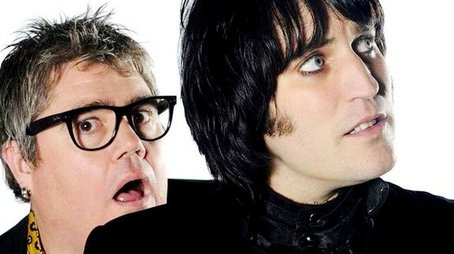
"Never Mind the Buzzcocks" is a British music-themed quiz show that first aired in 1996. The format of the show does not follow a traditional narrative structure with a plot, characters, and a storyline. Instead, it features a panel of celebrity guests who answer questions about music, engage in humorous banter, and participate in various games related to the music industry.
Each episode typically begins with the host introducing the panelists, which often includes a mix of musicians, comedians, and other celebrities. The host, initially Simon Amstell, would set the tone with witty remarks and playful jabs at the guests.
The first round usually consists of questions about music trivia, where panelists are asked to identify songs, artists, or lyrics. This segment is characterized by light-hearted competition, with panelists often teasing each other and sharing anecdotes related to the music being discussed.
As the show progresses, there are rounds that involve guessing the identity of a mystery guest, often a well-known musician or celebrity. The panelists ask questions to narrow down the possibilities, leading to humorous exchanges and sometimes unexpected revelations about the guest's career or personal life.
Another recurring segment involves the "Identity Parade," where the panelists must identify a musician from a lineup of lookalikes based on clues provided. This segment often leads to comedic moments as the panelists make guesses based on limited information.
Throughout the show, the dynamic between the host and the guests is crucial. The host's role is to maintain the flow of the show while also injecting humor and occasionally challenging the guests, which can lead to amusing confrontations or playful banter.
The final round typically involves a musical performance or a game that tests the panelists' knowledge of music in a more interactive way. This could include singing or completing song lyrics, which often results in entertaining performances and showcases the guests' personalities.
The episode concludes with the host summarizing the highlights and announcing the winner, usually based on points accumulated throughout the show. The atmosphere remains light and humorous, leaving the audience with a sense of enjoyment and laughter.
Overall, "Never Mind the Buzzcocks" is structured around its quiz format and the interactions between its guests rather than a linear plot, making it a unique and entertaining experience focused on music and celebrity culture.








What is the ending?
"Never Mind the Buzzcocks" is a British music quiz show that aired its first episode in 1996. It does not have a traditional narrative structure with a defined ending like a scripted television show or movie. Instead, each episode features a panel of celebrity guests who answer questions about music, engage in humorous banter, and participate in various games related to the music industry. The show is known for its witty and often irreverent approach to pop culture.
As such, there is no singular "ending" to summarize or elaborate upon in a traditional narrative sense. Each episode concludes with a light-hearted tone, often featuring a musical performance or a comedic wrap-up, but there is no overarching plot or character arc that culminates in a final resolution. The format is consistent throughout its run, focusing on the interactions and dynamics between the guests and the host, rather than a linear storyline with character fates.
If you have a specific episode in mind or would like details about a particular segment or guest appearance, please provide that information, and I can offer a more focused summary or description.
Is there a post-credit scene?
"Never Mind the Buzzcocks," which first aired in 1996, is a British music quiz show that features a panel of celebrity guests answering questions about music and pop culture. The format of the show does not include post-credit scenes. Each episode typically concludes with the final round of questions and a summary of the scores, followed by a humorous closing remark from the host. The focus is on the lively banter and interactions between the guests, rather than any additional scenes or content after the credits. The show's charm lies in its witty exchanges and the often unpredictable nature of the guests' responses, making each episode a unique experience without the need for post-credit material.
Who were the original team captains on Never Mind the Buzzcocks?
The original team captains on Never Mind the Buzzcocks were Phil Jupitus and later, in various seasons, other notable figures like Bill Bailey and Noel Fielding took on the role.
What role did Simon Amstell play in the show?
Simon Amstell served as the host of Never Mind the Buzzcocks from 2006 to 2008, known for his sharp wit and often confrontational style, which brought a new dynamic to the show.
Which celebrity guests made memorable appearances on the show?
Memorable celebrity guests included the likes of Dappy from N-Dubz, Preston from The Ordinary Boys, and Amy Winehouse, each bringing their unique personalities and often humorous interactions with the panel.
How did the format of the show change over the years?
The format of Never Mind the Buzzcocks evolved from a straightforward music quiz to incorporating more comedic elements, celebrity guest appearances, and interactive segments, reflecting changes in pop culture.
What notable controversies arose during the show's run?
Notable controversies included Simon Amstell's often biting humor that led to uncomfortable moments with guests, such as his infamous exchanges with Preston and Amy Winehouse, which sparked discussions about the boundaries of comedy.
Is this family friendly?
"Never Mind the Buzzcocks," which premiered in 1996, is a British music quiz show known for its satirical and often irreverent humor. While it features a light-hearted format centered around music and celebrity culture, there are several aspects that may not be considered family-friendly:
-
Adult Humor: The show often includes jokes and references that are aimed at an adult audience, which may not be suitable for children. This includes innuendos and sexual references.
-
Language: There is occasional use of strong language and profanity, which could be upsetting for younger viewers or sensitive individuals.
-
Mockery and Sarcasm: The format involves a lot of banter and teasing among the guests and the host, which can sometimes come off as harsh or mean-spirited, potentially upsetting those who are sensitive to ridicule.
-
Controversial Topics: The discussions may touch on controversial or sensitive topics related to celebrity culture, personal lives, and public scandals, which might not be appropriate for younger audiences.
-
Cameos and Guest Appearances: Some guests may have controversial reputations or backgrounds, and their presence could lead to discussions that are not suitable for children.
Overall, while the show is entertaining for many adults, its humor and content may not align with family-friendly viewing standards.