
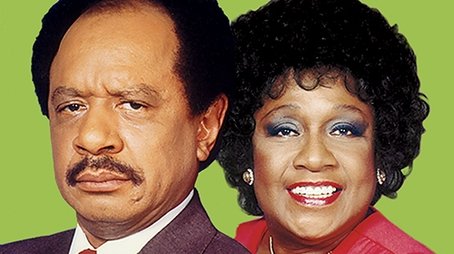


Popular
What is George Jefferson's primary motivation for moving to a luxury apartment in Manhattan?
How does Louise Jefferson's character contrast with George's ambitions?
What role does the character of Florence play in the Jefferson household?
How does the relationship between George and Tom Willis evolve throughout the series?
What are some key conflicts that arise between George and his mother, Mama Jefferson?
Should I watch it?
Ask Your Own Question

What is the plot?
The Jeffersons begins with George Jefferson, a successful African American businessman, and his wife, Weezy, moving into a luxurious high-rise apartment on the Upper East Side of Manhattan. The couple is excited about their new life, having moved up from their previous home in Queens. George is proud of his accomplishments and is eager to show off their new lifestyle to friends and family. The opening scene features George and Weezy celebrating their move, with George boasting about their new wealth and status.
As they settle into their new apartment, they encounter their new neighbors, including the wealthy and snobbish couple, Mr. and Mrs. Bentley. George is determined to impress them, but he quickly realizes that their attitudes are condescending. Meanwhile, Weezy tries to maintain a friendly demeanor, hoping to bridge the gap between their social classes. The tension between George's pride and the Bentleys' elitism sets the stage for ongoing conflicts.
In the following episodes, George's interactions with his new neighbors reveal his insecurities and desire for acceptance. He often finds himself in humorous situations where his attempts to fit in backfire. For instance, in one episode, George throws a lavish party to impress the Bentleys, but his plans go awry when his old friends from Queens show up, causing chaos and embarrassing him in front of his new neighbors.
Weezy, on the other hand, often serves as the voice of reason, trying to keep George grounded. She encourages him to be himself rather than trying to conform to the expectations of their wealthy neighbors. This dynamic creates a balance in their relationship, showcasing their love and support for one another despite their differences.
As the series progresses, George's character develops further. He faces various challenges, including financial setbacks and personal conflicts. In one notable episode, George's business faces a crisis, and he must make tough decisions to keep it afloat. His determination to succeed is evident as he works tirelessly, often putting his pride on the line to ensure his family's stability.
The show also explores the lives of their son, Lionel, and their housekeeper, Florence. Lionel, a college student, often grapples with his identity and the expectations placed on him by his parents. His relationship with his girlfriend, Jenny, adds another layer of complexity, as they navigate their own challenges in a changing society.
Florence, the sassy and outspoken housekeeper, provides comic relief while also serving as a confidante for the Jeffersons. Her interactions with George often highlight his flaws, but she also shows loyalty and care for the family. The chemistry between the characters creates a rich tapestry of relationships that drive the narrative forward.
Throughout the series, the Jeffersons confront various social issues, including racism, classism, and family dynamics. Each episode presents a new challenge, whether it's dealing with prejudice from neighbors or navigating the complexities of their own relationships. The humor often masks deeper themes, allowing the characters to grow and evolve in their understanding of themselves and each other.
As the show nears its conclusion, George and Weezy reflect on their journey and the obstacles they've overcome. Their love for each other remains strong, and they find comfort in their shared experiences. The series ends on a hopeful note, with the Jeffersons looking forward to the future, embracing their successes and the lessons learned along the way.









What is the ending?
The Jeffersons, a sitcom that aired from 1975, concluded its run with a series finale that encapsulated the journey of George and Weezy Jefferson as they reflect on their lives and the relationships they have built. The final episode, titled "The Jeffersons Go to Hawaii," sees the couple embarking on a trip to Hawaii, where they confront their past and the changes in their lives.
In the expanded narrative, the episode begins with George and Weezy preparing for their long-awaited vacation to Hawaii. The excitement is palpable as they pack their bags, with George displaying his typical bravado and enthusiasm, while Weezy balances his exuberance with her practical nature. Their son, Lionel, and daughter-in-law, Jenny, are also present, sharing in the family's anticipation. The scene is filled with laughter and light-hearted banter, showcasing the close-knit family dynamic.
As they arrive in Hawaii, the vibrant scenery unfolds before them. The lush greenery, the sound of waves crashing against the shore, and the warm sun create a picturesque backdrop. George, ever the businessman, is initially preoccupied with thoughts of work and success, but Weezy encourages him to relax and enjoy the moment. This sets the stage for a deeper exploration of their relationship and the sacrifices they have made for their family.
Throughout their stay, the couple encounters various challenges that test their patience and resilience. A series of comedic mishaps ensue, including George's attempts to impress a local businessman and his struggles with the laid-back Hawaiian lifestyle. These moments are filled with humor, but they also reveal George's insecurities and his desire to prove himself, not just to others but to himself.
As the episode progresses, the couple reflects on their journey from their humble beginnings to their current success. They reminisce about the struggles they faced, the friends they made, and the lessons they learned along the way. This introspection is marked by heartfelt conversations that reveal their deep love and commitment to each other, despite the challenges they have faced.
In the climax of the episode, George has a moment of realization while watching the sunset on the beach. He understands that success is not just about wealth or status but about the love and support of his family. This moment of clarity brings him peace, and he shares this revelation with Weezy, who has always been his anchor.
The episode concludes with the family gathered together, enjoying a final meal in Hawaii. They share stories, laughter, and a sense of gratitude for the experiences they have had. As they prepare to return home, there is a sense of closure and fulfillment. George and Weezy, hand in hand, look forward to the future, ready to face whatever comes next together.
In the end, George and Weezy Jefferson leave Hawaii with a renewed sense of purpose and a deeper appreciation for their family. Lionel and Jenny, having witnessed their parents' journey, are inspired to continue building their own lives with the same love and determination. The finale encapsulates the essence of The Jeffersons, celebrating family, resilience, and the importance of cherishing the moments that matter most.
Is there a post-credit scene?
The Jeffersons, which premiered in 1975, does not feature post-credit scenes. The show typically concludes with a final scene that wraps up the episode's storyline, often accompanied by the theme song as the credits roll. The focus is on the comedic and dramatic moments that occur within the episode itself, rather than any additional content after the credits. Each episode stands alone, providing a complete narrative without the need for post-credit sequences.
What is George Jefferson's primary motivation for moving to a luxury apartment in Manhattan?
George Jefferson's primary motivation for moving to a luxury apartment in Manhattan is his desire to achieve upward mobility and prove his success as a businessman. He wants to escape his humble beginnings and showcase his wealth and status, which he believes will elevate his social standing and validate his hard work.
How does Louise Jefferson's character contrast with George's ambitions?
Louise Jefferson, while supportive of George's ambitions, often serves as a grounding force in the series. She is more practical and down-to-earth, frequently reminding George of the importance of family and humility. Her character often contrasts with George's brashness and desire for status, highlighting the tension between material success and personal values.
What role does the character of Florence play in the Jefferson household?
Florence, the Jeffersons' housekeeper, plays a significant role in the household dynamic. She is often the voice of reason and provides comic relief with her witty remarks and interactions with George. Florence's character also highlights themes of class and race, as she navigates her own position within the household while often challenging George's authority.
How does the relationship between George and Tom Willis evolve throughout the series?
The relationship between George Jefferson and Tom Willis evolves from initial tension and racial prejudice to a more complex friendship. Initially, George is wary of Tom, who is white and married to a Black woman, but as the series progresses, they develop mutual respect and camaraderie, often navigating the challenges of their interracial friendship in a comedic yet poignant manner.
What are some key conflicts that arise between George and his mother, Mama Jefferson?
Key conflicts between George and his mother, Mama Jefferson, often revolve around George's pride and his desire to assert his independence. Mama Jefferson frequently challenges George's decisions and lifestyle, leading to humorous yet heartfelt exchanges. Their relationship showcases the generational and cultural differences, as Mama Jefferson often embodies traditional values that clash with George's modern aspirations.
Is this family friendly?
"The Jeffersons," which premiered in 1975, is a sitcom that addresses various social issues and themes, including race, class, and family dynamics. While it is generally considered a family-friendly show, there are some aspects that might be objectionable or upsetting for children or sensitive viewers.
-
Racial Themes: The show often tackles issues of racism and discrimination, which may be difficult for younger viewers to fully understand or process.
-
Strong Language: There are instances of mild profanity and strong language that may not be suitable for all audiences.
-
Conflict and Arguments: The characters frequently engage in heated arguments and confrontations, which can be intense and may not be appropriate for younger children.
-
Social Issues: Topics such as economic struggles, infidelity, and family tensions are explored, which might be heavy for sensitive viewers.
-
Stereotypes: Some humor relies on stereotypes that could be considered outdated or offensive by today's standards.
Overall, while "The Jeffersons" is a landmark show with significant cultural impact, parents may want to preview episodes to determine their suitability for younger audiences.