


Popular
Should I watch it?
Ask Your Own Question

What is the plot?
In the pilot episode of the 1966 "Batman" television series, the story begins with a mysterious crime wave sweeping through Gotham City. The scene opens with a news report detailing the theft of a valuable painting from the Gotham Museum. The camera then cuts to the Batcave, where Bruce Wayne and his loyal butler Alfred Pennyworth are monitoring the situation. Bruce, as Batman, is determined to investigate the crime and protect the city from the nefarious villains behind it.
As Batman and Robin, his young sidekick, prepare to head out, they receive a call from Commissioner Gordon, who is in a state of panic. He informs them that the Joker has escaped from Arkham Asylum and is planning a series of elaborate heists. Batman and Robin quickly suit up, donning their iconic costumes, and head to the Batmobile, a sleek, high-tech vehicle that symbolizes their commitment to justice.
The duo arrives at the Gotham Museum, where they find clues left behind by the Joker. They discover a playing card with the Joker's face on it, indicating that he is indeed behind the recent crimes. Batman's keen detective skills come into play as he analyzes the card, deducing that the Joker is planning to strike again. The tension builds as they realize they must act quickly to prevent further chaos.
Meanwhile, the Joker, portrayed with flamboyant energy, is seen in his lair, surrounded by henchmen. He reveals his plan to steal a priceless diamond from a high-security vault. The Joker's motivations are clear: he thrives on chaos and wants to prove that he is the ultimate criminal mastermind. He instructs his henchmen to prepare for the heist, emphasizing the importance of theatrics in their criminal endeavors.
Back at the Batcave, Batman and Robin strategize their next move. They decide to set a trap for the Joker by placing a fake diamond in the vault, hoping to catch him in the act. Batman's determination is palpable as he expresses his desire to bring the Joker to justice. Robin, eager to prove himself, supports Batman's plan, showcasing their strong partnership.
The scene shifts to the high-security vault, where the Joker and his henchmen execute their plan. They break in using a combination of gadgets and brute force. As they approach the fake diamond, Batman and Robin spring into action, revealing themselves from the shadows. A fierce confrontation ensues, with Batman using his martial arts skills to take down the henchmen one by one. Robin, displaying his agility, flips and dodges, assisting Batman in the fight.
The Joker, however, is not easily defeated. He pulls out a trick weapon, a laughing gas spray, which he uses to incapacitate Batman temporarily. The scene is chaotic, with the Joker laughing maniacally as he escapes with the fake diamond, leaving Batman and Robin to recover. Batman's frustration is evident as he vows to track down the Joker and stop him once and for all.
The chase leads them to a carnival, where the Joker has set up a series of traps and distractions. Batman and Robin navigate through the carnival, encountering various obstacles, including a funhouse filled with mirrors that disorient them. The Joker's laughter echoes throughout the venue, heightening the tension as they search for him.
In a climactic showdown, Batman confronts the Joker in a giant clown-themed tent. The Joker reveals his true intentions: to use the diamond to fund his criminal empire. A battle ensues, with Batman using his gadgets and combat skills to outmaneuver the Joker. The Joker, in a desperate attempt to escape, activates a trapdoor, but Batman anticipates his move and catches him just in time.
The episode concludes with Batman apprehending the Joker and handing him over to Commissioner Gordon. The city of Gotham is safe once again, but Batman knows that the Joker will always return, setting the stage for future confrontations. The final scene shows Batman and Robin back in the Batcave, reflecting on their victory while preparing for the next challenge that awaits them.









What is the ending?
In the 1966 "Batman" TV series, the ending of the show culminates in a dramatic showdown between Batman and his arch-nemesis, the Joker, along with other villains. Batman and Robin manage to thwart the Joker's plan to take over Gotham City, ultimately leading to the capture of the villains. The episode concludes with Batman and Robin returning to the Batcave, satisfied with their victory, while the villains are left to face justice.
Now, let's delve into the ending in a more detailed narrative fashion:
The final episode begins with a tense atmosphere in Gotham City, as the Joker, along with his accomplices, has devised a nefarious scheme to unleash chaos. The camera pans over the city, showcasing the iconic Gotham skyline, before cutting to the Batcave, where Batman and Robin are alerted to the Joker's latest antics through the Bat-Signal shining brightly in the night sky.
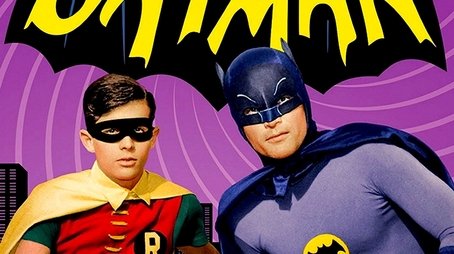
Scene 1: The Batcave In the Batcave, Batman, portrayed by Adam West, is seen analyzing the latest reports of the Joker's criminal activities. His brow furrows with concern, revealing his determination to protect Gotham. Robin, played by Burt Ward, is eager and ready for action, his youthful enthusiasm contrasting with Batman's calm and collected demeanor. They suit up, the sound of the Batmobile revving up echoing through the cave, symbolizing their readiness to confront evil.
Scene 2: Confrontation with the Joker The scene shifts to a dimly lit warehouse where the Joker, portrayed by Cesar Romero, is seen cackling with glee as he prepares to execute his plan. The camera zooms in on his maniacal grin, emphasizing his delight in chaos. Suddenly, Batman and Robin burst through the doors, their capes billowing dramatically behind them. A fierce battle ensues, filled with acrobatics and clever gadgetry. Batman's strategic mind is on full display as he outmaneuvers the Joker's henchmen, while Robin showcases his agility and quick thinking.
Scene 3: The Climax As the fight reaches its peak, the Joker reveals his ultimate weapon--a device that threatens to unleash a wave of laughter gas across Gotham. Batman, realizing the stakes, focuses intently on disarming the device. The tension builds as the Joker taunts Batman, believing he has the upper hand. However, Batman's unwavering resolve shines through as he expertly navigates the chaos, ultimately managing to disable the device just in time.
Scene 4: The Capture With the device neutralized, Batman and Robin turn their attention to the Joker and his gang. The villains, realizing they are cornered, attempt to flee, but the Dynamic Duo is one step ahead. In a swift and decisive move, Batman uses his Bat-rope to ensnare the Joker, while Robin apprehends the henchmen. The camera captures the moment of victory, with Batman standing tall, embodying justice, while the Joker's laughter fades into defeat.
Scene 5: Return to the Batcave The episode concludes with Batman and Robin returning to the Batcave, their expressions a mix of relief and satisfaction. They share a moment of camaraderie, reflecting on their successful mission. Batman's stoic nature contrasts with Robin's exuberance, highlighting their partnership. As they prepare to hang up their capes for the night, the Bat-Signal shines once more, hinting at future adventures.
In the end, the Joker and his gang are left to face the consequences of their actions, while Batman and Robin reaffirm their commitment to protecting Gotham City. The episode closes with a sense of hope and justice, encapsulating the essence of the series.
Is there a post-credit scene?
The 1966 "Batman" television series does not feature post-credit scenes. Each episode typically concludes with a cliffhanger or a humorous wrap-up, but there are no additional scenes after the credits roll. The show is known for its campy style, vibrant visuals, and iconic catchphrases, often leaving viewers with a sense of anticipation for the next episode rather than a traditional post-credit sequence. The format of the show emphasizes its episodic nature, with each installment presenting a self-contained story that often ends on a dramatic note, inviting viewers back for more adventures of Batman and Robin.
What are the main villains featured in the 1966 Batman series?
The 1966 Batman series features a colorful array of villains, including the Joker, played by Cesar Romero, who is known for his maniacal laughter and flamboyant schemes. Catwoman, portrayed by Julie Newmar, is another iconic antagonist, often using her charm and agility to outsmart Batman. The Riddler, played by Frank Gorshin, captivates audiences with his riddles and puzzles, while the Penguin, portrayed by Burgess Meredith, is characterized by his cunning and love for crime. Other notable villains include the Mad Hatter, King Tut, and Egghead, each bringing their unique flair to the series.
How does Batman and Robin's dynamic evolve throughout the series?
Throughout the series, Batman and Robin's dynamic showcases a mentor-mentee relationship, with Batman often taking on the role of the stoic leader, while Robin, portrayed by Burt Ward, embodies youthful enthusiasm and eagerness. In various episodes, Robin's impulsiveness leads to trouble, prompting Batman to guide him with patience and wisdom. Their camaraderie is highlighted in moments of teamwork, where they rely on each other's strengths to thwart villains, but also in moments of tension when Robin feels overshadowed by Batman's authority.
What is the significance of the Batcave in the series?
The Batcave serves as the iconic headquarters for Batman and Robin, symbolizing their commitment to justice. It is filled with advanced technology, including the Batcomputer, which aids in crime-solving, and various gadgets that Batman utilizes in his crime-fighting endeavors. The cave's dark, cavernous atmosphere contrasts with the vibrant city above, reflecting Batman's dual life. Emotional moments occur here, such as when Bruce Wayne reflects on his parents' tragic death, reinforcing his motivation to fight crime and protect Gotham.
How do the gadgets and vehicles play a role in the plot?
Gadgets and vehicles are integral to the plot of the 1966 Batman series, showcasing Batman's resourcefulness and ingenuity. The Batmobile, a sleek, futuristic car, is often used for high-speed chases and dramatic entrances. Batman's utility belt, filled with various gadgets like Batarangs and smoke bombs, becomes crucial in confrontations with villains. Each episode features inventive uses of these tools, often leading to humorous or unexpected outcomes, while also emphasizing Batman's preparedness and strategic thinking in the face of danger.
What role does Commissioner Gordon play in the series?
Commissioner Gordon, portrayed by Neil Hamilton, serves as a vital ally to Batman and Robin, representing law enforcement's struggle against crime in Gotham City. His character often finds himself in precarious situations, relying on the Dynamic Duo to save the day. Gordon's unwavering trust in Batman highlights his belief in vigilante justice, and his emotional state fluctuates between frustration with the criminal elements in Gotham and relief when Batman intervenes. His interactions with the heroes often provide comic relief, as he navigates the absurdity of the villains they face.
Is this family friendly?
The 1966 "Batman" television series is generally considered family-friendly, featuring a campy and humorous tone that appeals to a wide audience, including children. However, there are a few aspects that might be considered potentially objectionable or upsetting for some viewers, particularly sensitive children:
-
Villainous Characters: The show features a variety of colorful villains, such as the Joker, Catwoman, and the Riddler, who engage in criminal activities. Their exaggerated portrayals may be frightening to some younger viewers.
-
Mild Violence: While the violence is cartoonish and often played for laughs, there are scenes of Batman and Robin engaging in fights with villains. The use of "BAM!" and "POW!" graphics during these moments may still be startling for some.
-
Kidnapping and Hostage Situations: Several episodes involve villains kidnapping characters or holding them hostage, which could be distressing for sensitive viewers.
-
Dramatic Situations: The show often places characters in perilous situations, such as being trapped in elaborate death traps, which may evoke anxiety in some children.
-
Romantic Tension: There are instances of flirtation and romantic tension, particularly between Batman and Catwoman, which may be confusing for younger audiences.
Overall, while the series is lighthearted and comedic, these elements could be unsettling for some children or sensitive viewers.