


Popular
What are the main conflicts between George and Mildred throughout the series?
How does Mildred's relationship with her neighbor, Mrs. Beryl, evolve throughout the series?
What role does the character of Jeffrey play in George and Mildred's lives?
How does George's job impact his relationship with Mildred?
What are some key moments that highlight George's character flaws?
Should I watch it?
Ask Your Own Question

What is the plot?
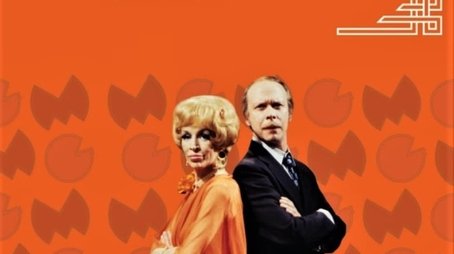
George and Mildred is a British sitcom that follows the lives of a working-class couple living in a suburban neighborhood. The series begins with George Roper, a somewhat bumbling and self-important man, and his wife Mildred, who is more socially ambitious and often finds herself embarrassed by George's antics.
In the first episode, George is excited about the prospect of a new job and is determined to impress his neighbors. He is particularly concerned about how they perceive him, especially his wealthy neighbor, Jeffrey Fourmile. Mildred, on the other hand, is more focused on their home life and the social status that comes with it. She encourages George to make a good impression, which leads to a series of comedic misunderstandings.
As the story unfolds, George's attempts to impress Jeffrey often backfire. He tries to show off his supposed knowledge of gardening, but his lack of skill leads to chaos in the garden. Mildred, frustrated by George's blunders, tries to salvage the situation by taking charge, but this only leads to further complications. The couple's contrasting personalities create tension, with George's stubbornness clashing with Mildred's desire for a more refined lifestyle.
In another episode, George decides to host a dinner party to impress Jeffrey and other neighbors. He enlists Mildred's help, but their differing ideas about the event lead to a comedic disaster. George's attempts to cook and impress his guests result in a series of mishaps, including burnt food and awkward conversations. Mildred's frustration grows as she tries to maintain some semblance of dignity amidst the chaos.
Throughout the series, George's job at the local butcher shop is a recurring theme. His interactions with his boss and co-workers often highlight his ineptitude and lack of ambition. George's desire to be seen as successful is constantly undermined by his own shortcomings, leading to humorous situations that showcase his character's flaws.
Mildred's character is further developed as she navigates her relationship with George. She often finds herself torn between her love for him and her aspirations for a better life. This internal conflict is evident in her reactions to George's antics, as she oscillates between exasperation and affection. Her attempts to elevate their social status often lead to comedic situations, particularly when she tries to impress her friends.
As the series progresses, the couple faces various challenges, including financial difficulties and social faux pas. George's stubbornness often leads him to make poor decisions, while Mildred's desire for a better life pushes her to take risks. Their dynamic is characterized by a blend of love, frustration, and humor, making their relationship both relatable and entertaining.
In the final episodes, the couple's journey culminates in a series of events that test their relationship. George's antics reach a peak as he attempts to prove himself to Mildred and their neighbors. The culmination of misunderstandings and comedic situations leads to a moment of realization for both characters. They come to understand the importance of their relationship, despite the chaos that surrounds them.
The series concludes with George and Mildred reaffirming their love for each other, despite their differences. Their journey through the ups and downs of suburban life highlights the complexities of marriage, friendship, and social aspirations, leaving viewers with a sense of warmth and humor.









What is the ending?
In the final episode of "George and Mildred," the couple faces a series of misunderstandings and comedic situations that ultimately lead to a heartfelt resolution. The episode concludes with George and Mildred reaffirming their love for each other despite their differences.
As the episode begins, George is in a particularly grumpy mood, frustrated with the mundane routine of their life. Mildred, ever the optimist, tries to cheer him up, but her efforts only seem to irritate him further. The couple's bickering escalates, showcasing their contrasting personalities--George's gruffness against Mildred's cheerful disposition.
Scene by scene, the tension builds. George decides to take a stand against Mildred's incessant chatter and her plans for a social gathering. He believes that their home should be a sanctuary from the outside world, while Mildred sees it as a place for friends and laughter. This fundamental difference in their outlook leads to a series of comedic misunderstandings, including a mishap with a dinner invitation that George accidentally misplaces.
As the evening approaches, Mildred is determined to host the gathering, believing it will bring them closer together. George, however, is resolute in his desire to avoid the event, leading to a comical tug-of-war over the preparations. The guests arrive, and chaos ensues as George tries to hide from them, leading to a series of slapstick moments that highlight the couple's dynamic.
In the midst of the chaos, a moment of clarity strikes George. He realizes that despite their differences, Mildred's efforts to create a warm and inviting home stem from her love for him. This epiphany leads him to step out of his comfort zone and engage with the guests, showcasing his willingness to compromise for the sake of their relationship.
The episode culminates in a touching scene where George and Mildred share a quiet moment together amidst the chaos of their gathering. They express their love for one another, acknowledging that their differences are what make their relationship unique. George admits that he appreciates Mildred's enthusiasm, while Mildred reassures him that she values his steadfastness.
As the credits roll, the couple is seen laughing together, surrounded by their friends, symbolizing their commitment to each other and the life they have built together. The ending reinforces the idea that love can thrive despite differences, and that communication and understanding are key to a successful relationship. George and Mildred, through their comedic trials, emerge stronger and more united than ever.
Is there a post-credit scene?
The television show "George and Mildred," which aired in 1976, does not feature post-credit scenes. The episodes typically conclude with a final scene that wraps up the storyline, often leaving viewers with a humorous or poignant moment that reflects the dynamics of the characters. The format of the show, being a sitcom, focuses on the comedic interactions between George and Mildred Roper, along with their neighbors and friends, without the inclusion of additional scenes after the credits. Each episode stands alone, providing a complete narrative experience within its runtime.
What are the main conflicts between George and Mildred throughout the series?
The main conflicts between George and Mildred often stem from their differing personalities and priorities. George is portrayed as a somewhat lazy and self-centered man who prefers to avoid responsibility, while Mildred is more ambitious and socially conscious. This leads to frequent arguments, particularly over household chores, financial decisions, and Mildred's desire to improve their social standing. For instance, in episodes like 'The New Neighbours,' George's reluctance to engage with their new, more affluent neighbors creates tension, as Mildred is eager to impress them.
How does Mildred's relationship with her neighbor, Mrs. Beryl, evolve throughout the series?
Mildred's relationship with Mrs. Beryl evolves from initial rivalry to a more complex friendship. Initially, Mildred feels threatened by Beryl's confidence and social status, leading to jealousy and competition. However, as the series progresses, they find common ground in their shared experiences as wives and mothers, leading to moments of camaraderie. In episodes like 'The New Neighbours,' their interactions highlight both the comedic misunderstandings and the genuine support they offer each other, showcasing Mildred's growth in navigating social dynamics.
What role does the character of Jeffrey play in George and Mildred's lives?
Jeffrey, the couple's son, serves as a catalyst for many plot developments and conflicts in the series. His teenage antics often frustrate George, who struggles to understand his son's modern views and lifestyle. Jeffrey's desire for independence clashes with George's traditional expectations, leading to humorous yet poignant moments. In episodes like 'The Family,' Jeffrey's decisions force George and Mildred to confront their parenting styles, revealing their differing approaches to raising a child and highlighting the generational gap between them.
How does George's job impact his relationship with Mildred?
George's job, or lack thereof, significantly impacts his relationship with Mildred. His frequent complaints about work and his desire to avoid responsibility create tension, as Mildred often feels burdened by the financial strain. In episodes like 'The Promotion,' George's attempts to secure a promotion lead to comedic mishaps that ultimately frustrate Mildred, who is trying to maintain a stable home life. This dynamic showcases George's internal struggle between his desire for a comfortable life and his reluctance to put in the effort, which often leaves Mildred feeling unsupported.
What are some key moments that highlight George's character flaws?
Key moments that highlight George's character flaws include his laziness, selfishness, and inability to communicate effectively with Mildred. In episodes like 'The New Car,' George's obsession with acquiring a new vehicle leads him to make impulsive decisions that backfire, showcasing his lack of foresight. Additionally, his tendency to prioritize his own comfort over Mildred's needs often results in humorous yet frustrating situations, such as when he neglects household responsibilities, forcing Mildred to pick up the slack. These moments serve to emphasize George's comedic yet flawed nature, making him a relatable character despite his shortcomings.
Is this family friendly?
"George and Mildred," produced in 1976, is a British sitcom that revolves around the lives of a working-class couple living in a suburban neighborhood. While the show is primarily comedic and light-hearted, there are a few aspects that might be considered objectionable or upsetting for children or sensitive viewers.
-
Adult Themes: The show often touches on themes of marital strife and domestic disputes, which may not be suitable for younger audiences. The humor sometimes stems from misunderstandings and conflicts between George and Mildred.
-
Social Class Commentary: The series includes elements of class conflict, particularly in the interactions between George and their more affluent neighbors, which may be confusing for younger viewers.
-
Mild Language: There are instances of mild swearing and innuendo that might not be appropriate for children.
-
Relationship Dynamics: The portrayal of George and Mildred's relationship includes moments of frustration and bickering, which could be unsettling for sensitive viewers who may not appreciate the depiction of conflict in a marriage.
-
Cultural References: Some jokes and references may be dated or culturally specific, potentially leading to misunderstandings for younger audiences.
Overall, while "George and Mildred" is not overtly offensive, its humor and themes may not resonate well with all children or sensitive viewers.