


Popular
Who is the main antagonist in Kamen Rider and what are their motivations?
What transformation does Takeshi Hongo undergo to become Kamen Rider?
What is the significance of Kamen Rider's belt and how does it function?
How does Kamen Rider's relationship with other characters evolve throughout the series?
What are some of the notable monsters Kamen Rider faces, and what do they represent?
Should I watch it?
Ask Your Own Question

What is the plot?
In the year 1971, the story begins with a young man named Takeshi Hongo, a brilliant motorcycle racer and a university student. He is kidnapped by the evil organization known as Shocker, which aims to create an army of super soldiers by transforming humans into cyborgs. During the transformation process, Hongo is subjected to painful experiments, but he manages to escape before the procedure is fully completed. As he flees, he discovers that he has been transformed into a powerful being with enhanced abilities, but he retains his human consciousness.
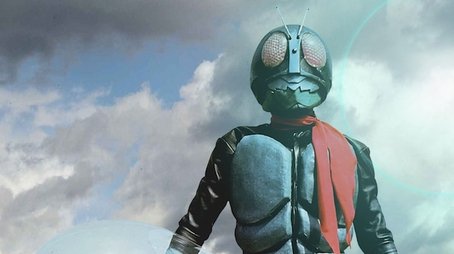
After escaping Shocker's clutches, Hongo learns about the organization's sinister plans to conquer the world. He decides to use his newfound powers to fight against Shocker and protect humanity. Hongo adopts the identity of Kamen Rider, donning a distinctive costume that features a helmet with large compound eyes and a green and black color scheme. He vows to stop Shocker and their monstrous creations, known as Kaijin, who are the result of their experiments.
Hongo's first major confrontation occurs when he faces off against a Kaijin called the Spider Man, who has been terrorizing the city. The battle is intense, with Hongo using his martial arts skills and enhanced strength to combat the creature. The fight takes place in a deserted area, where Hongo skillfully dodges the Spider Man's attacks, countering with powerful kicks and punches. Eventually, Hongo gains the upper hand and delivers a decisive blow, defeating the Spider Man and saving the citizens from its rampage.
As Hongo continues his fight against Shocker, he encounters other Kaijin, each with unique abilities and forms. One notable battle occurs against the Bat Man, who possesses the power of flight and sonic attacks. The confrontation takes place in a dark, abandoned warehouse, where Hongo must navigate through shadows and debris. The Bat Man uses his agility to evade Hongo's attacks, but Hongo's determination and strategic thinking allow him to outmaneuver the creature. After a fierce struggle, Hongo manages to exploit a weakness in the Bat Man's defenses, ultimately defeating him.
Throughout his journey, Hongo is not alone. He is joined by a supporting cast, including his friend and ally, Ruriko, who assists him in gathering information about Shocker's operations. Ruriko is a determined and resourceful character, often putting herself in danger to help Hongo. Their bond deepens as they face numerous challenges together, and Ruriko becomes a crucial part of Hongo's mission.
As the series progresses, Hongo learns that Shocker is led by a mysterious figure known as the "Shocker Leader." This antagonist is shrouded in secrecy and poses a significant threat to Hongo and humanity. Hongo's encounters with the Shocker Leader are fraught with tension, as the leader taunts Hongo and reveals the extent of Shocker's plans for world domination. Hongo's resolve strengthens with each confrontation, fueling his desire to bring down the organization.
In a pivotal moment, Hongo faces a powerful Kaijin known as the Scorpion Woman. This battle takes place in a remote forest, where the Scorpion Woman uses her agility and venomous attacks to gain the upper hand. Hongo struggles against her relentless onslaught, but he taps into his inner strength and determination. The fight culminates in a dramatic showdown, where Hongo uses his signature Rider Kick to defeat the Scorpion Woman, showcasing his growth as a fighter.
As Hongo continues to dismantle Shocker's operations, he discovers that they are planning a large-scale attack on a major city. Realizing the urgency of the situation, Hongo rallies his allies and prepares for a final confrontation with Shocker. The climax of the series unfolds in a massive battle against multiple Kaijin and Shocker's forces. Hongo, alongside Ruriko and other allies, fights valiantly to protect the city and its inhabitants.
In the final showdown, Hongo confronts the Shocker Leader in a dramatic face-off. The battle is intense, with both characters showcasing their strengths and abilities. Hongo's determination to protect humanity drives him to push beyond his limits. The fight takes place in Shocker's headquarters, filled with traps and obstacles. Hongo navigates through the chaos, using his agility and combat skills to outsmart the Shocker Leader.
Ultimately, Hongo delivers a powerful blow that defeats the Shocker Leader, bringing an end to the organization's reign of terror. With the leader's defeat, the remaining Kaijin are left vulnerable, and Hongo swiftly takes them down one by one. The city is saved, and Hongo's mission as Kamen Rider is fulfilled, but he remains vigilant, knowing that evil may rise again.
In the aftermath, Hongo reflects on his journey and the sacrifices made along the way. He understands the weight of his responsibilities as Kamen Rider and vows to continue fighting for justice. The series concludes with Hongo riding off into the sunset on his motorcycle, symbolizing his ongoing commitment to protect humanity from any future threats.







What is the ending?
In the ending of Kamen Rider, the protagonist, Takeshi Hongo, confronts the evil organization Shocker in a final battle. After a fierce struggle, he defeats the main antagonist, the Shocker leader, and ultimately destroys the organization. Hongo, having avenged his friend and fought for justice, continues his journey as Kamen Rider, protecting humanity from evil.
As the final episodes unfold, the tension escalates. Takeshi Hongo, now fully embracing his role as Kamen Rider, prepares for the ultimate confrontation with Shocker. The scene opens with Hongo standing atop a hill, the wind whipping through his hair, his Kamen Rider suit gleaming in the sunlight. He reflects on his journey, the friends he has lost, and the lives he has saved. His determination is palpable; he knows that this battle is not just for him but for all of humanity.
The next scene shifts to the Shocker headquarters, a dark and foreboding place filled with sinister machinery and the sounds of evil laughter. The Shocker leader, a menacing figure cloaked in shadows, is seen rallying his minions, preparing for the final showdown. He believes that Hongo's defeat is imminent, and his confidence radiates through the room. The tension is thick as the camera pans over the various monstrous creations of Shocker, each one a testament to their twisted ambitions.
As Hongo infiltrates the headquarters, the atmosphere becomes charged with anticipation. He battles through waves of Shocker foot soldiers, each encounter showcasing his agility and strength. The choreography of the fights is dynamic, with Hongo executing powerful kicks and punches, his resolve unwavering. Each victory brings him closer to the Shocker leader, but it also serves as a reminder of the friends he has lost along the way, fueling his anger and determination.
Finally, Hongo reaches the inner sanctum where the Shocker leader awaits. The confrontation is intense, filled with dramatic dialogue that highlights their opposing ideologies. Hongo, embodying the spirit of justice, stands firm against the leader's taunts and threats. The battle that ensues is a culmination of all Hongo's training and experiences. The camera captures every blow, every moment of struggle, as Hongo fights not just for himself but for the future of humanity.
In a climactic moment, Hongo unleashes his signature finishing move, the Rider Kick, striking the Shocker leader with a force that symbolizes the triumph of good over evil. The leader falls, defeated, and the headquarters begins to crumble around them, a visual metaphor for the collapse of Shocker's reign of terror. Hongo escapes just in time, emerging into the daylight, a symbol of hope and resilience.
As the dust settles, Hongo stands amidst the ruins of Shocker, breathing heavily but filled with a sense of accomplishment. He reflects on the battles fought and the lives saved, knowing that his journey as Kamen Rider is far from over. The final scenes show him riding off on his motorcycle, the sun setting behind him, a silhouette of a hero continuing his fight against evil.
In the aftermath, the fate of the main characters is revealed. Hongo, now a symbol of justice, continues his mission to protect humanity from any future threats. The friends he lost along the way are remembered, their sacrifices serving as a reminder of the cost of fighting evil. The series closes with a sense of hope, emphasizing that while the battle against darkness may be ongoing, the spirit of Kamen Rider will always rise to meet it.
Who dies?
Is there a post-credit scene?
The original Kamen Rider series, which aired in 1971, does not feature post-credit scenes as commonly understood in modern television and film. The episodes typically conclude with a brief recap or a teaser for the next episode, but there are no additional scenes after the credits that expand on the story or characters. The format of the show was more straightforward, focusing on the action and the ongoing battle between Kamen Rider and the evil organization Shocker. Each episode ends with a resolution to the conflict presented, leading directly into the next adventure without the contemporary practice of post-credit sequences.
Who is the main antagonist in Kamen Rider and what are their motivations?
The main antagonist in Kamen Rider is Shocker, a secret criminal organization that aims to conquer the world through the use of cyborgs and monstrous creatures. Their motivations are rooted in a desire for power and control, often using brutal methods to achieve their goals. Shocker's leader, known as the 'Shocker Leader,' embodies this ambition, orchestrating various schemes to eliminate Kamen Rider and further their sinister agenda.
What transformation does Takeshi Hongo undergo to become Kamen Rider?
Takeshi Hongo, a skilled motorcycle racer, undergoes a transformation into Kamen Rider after being kidnapped by Shocker and subjected to a cyborg experiment. He is transformed into a powerful being with enhanced strength and abilities, but he manages to retain his human consciousness. This internal struggle between his human side and the monstrous aspects of his transformation drives much of his character development.
What is the significance of Kamen Rider's belt and how does it function?
Kamen Rider's belt, known as the 'Rider Belt,' is a crucial element of his transformation. It allows Takeshi Hongo to access his Kamen Rider powers, enabling him to fight against Shocker's monsters. The belt is equipped with a transformation device that activates when he shouts 'Henshin!' This moment is visually striking, as it marks the transition from Hongo to Kamen Rider, showcasing a burst of energy and a dramatic change in his appearance.
How does Kamen Rider's relationship with other characters evolve throughout the series?
Kamen Rider, primarily Takeshi Hongo, develops significant relationships with various characters throughout the series, including his allies and those he saves from Shocker's clutches. His bond with fellow fighters, such as Ruriko and other allies, showcases his compassionate nature and determination to protect humanity. These relationships often highlight his internal conflict, as he grapples with his identity as a cyborg and his desire to remain connected to his human emotions.
What are some of the notable monsters Kamen Rider faces, and what do they represent?
Throughout the series, Kamen Rider faces a variety of notable monsters, each created by Shocker. These include the likes of the Spider Man, the Bat Man, and the Scorpion Woman. Each monster often represents a specific fear or societal issue, serving as a reflection of the darker aspects of humanity. The battles against these creatures are not only physical confrontations but also symbolize Kamen Rider's fight against the corruption and evil that Shocker embodies.
Is this family friendly?
"Kamen Rider," produced in 1971, is generally considered a family-friendly show, but it does contain some elements that might be objectionable or upsetting for children or sensitive viewers. Here are a few aspects to consider:
-
Violence: The series features frequent battles between Kamen Rider and various monsters, which can include physical confrontations, explosions, and the use of weapons. While the violence is stylized and not graphic, it may still be intense for younger viewers.
-
Monsters and Horror Elements: The antagonists are often grotesque creatures or cyborgs, which can be frightening. Their designs and the way they are portrayed may evoke fear or discomfort in sensitive viewers.
-
Themes of Kidnapping and Control: The show includes themes of abduction, as many characters are captured by the evil organization Shocker. This can introduce a sense of danger and helplessness.
-
Death and Danger: There are moments where characters face life-threatening situations, and some may not survive encounters with the villains. The stakes are high, which can create a tense atmosphere.
-
Emotional Struggles: Characters often deal with loss, betrayal, and the burden of responsibility, which may resonate deeply with some viewers, potentially evoking sadness or anxiety.
While "Kamen Rider" is designed to be entertaining and heroic, these elements may require parental guidance for younger audiences or those who are particularly sensitive to such themes.