


Popular
What recurring characters appear in The Two Ronnies sketches?
What is the significance of the 'Four Candles' sketch?
How do the characters in the 'Newsreader' sketches interact with each other?
What comedic elements are present in the 'Mastermind' sketch?
How does the 'Classified Ads' sketch illustrate the characters' personalities?
Should I watch it?
Ask Your Own Question

What is the plot?
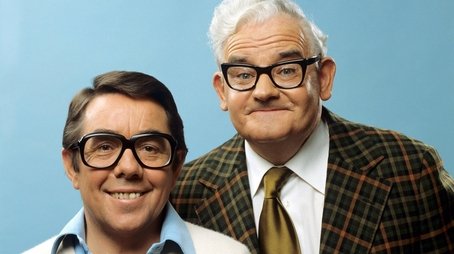
The Two Ronnies, a British television sketch show that premiered in 1971, is structured around a series of comedic sketches and musical performances rather than a singular plot-driven narrative. Each episode features a variety of sketches that often include wordplay, puns, and humorous situations, typically involving the two main characters, Ronnie Barker and Ronnie Corbett.
In the opening sequence of an episode, the show often begins with a comedic monologue or a humorous dialogue between the two Ronnies. They set the tone for the episode with light banter, showcasing their chemistry and comedic timing. The sketches that follow vary widely in theme and style, often parodying everyday situations, classic literature, or popular culture.
One notable sketch features Ronnie Barker as a pompous, overconfident character who is attempting to impress a group of people with his knowledge of a particular subject. He delivers a series of increasingly absurd and convoluted explanations, leading to a humorous misunderstanding that leaves the audience in stitches. The physical comedy is enhanced by Barker's expressive facial gestures and Corbett's reactions, which often serve to highlight the ridiculousness of the situation.
Another sketch might involve Ronnie Corbett in a more subdued role, sitting in an armchair and recounting a story that gradually spirals into chaos. As he narrates, the scene shifts to illustrate his tale, with Barker playing various characters that complicate the narrative. The juxtaposition of Corbett's calm demeanor against the frantic antics of Barker creates a comedic contrast that is a hallmark of the show.
Throughout the episode, recurring themes and catchphrases emerge, often leading to running gags that build upon previous sketches. The Ronnies frequently break the fourth wall, addressing the audience directly and inviting them to share in the humor. This interaction fosters a sense of camaraderie between the performers and the viewers.
As the episode progresses, the sketches may shift from one scenario to another, with each segment showcasing different comedic styles, from slapstick to wordplay. The pacing is brisk, with quick transitions that keep the audience engaged. The Ronnies often play off each other, with Barker's more authoritative characters contrasting with Corbett's everyman persona.
In the final segment of the episode, the Ronnies might return to the stage for a musical number or a final comedic exchange that ties together the themes of the episode. This closing act often features elaborate costumes and choreography, leaving the audience with a sense of joy and satisfaction.
The Two Ronnies does not follow a traditional narrative structure with a beginning, middle, and end, but rather presents a series of interconnected sketches that highlight the comedic talents of Barker and Corbett. Each episode is a celebration of humor, showcasing the duo's ability to entertain through a variety of comedic forms.









What is the ending?
The Two Ronnies, a British television sketch show that first aired in 1971, does not have a traditional narrative structure with a singular ending like a movie or a play. Instead, it consists of a series of comedic sketches, musical performances, and humorous dialogues between the two main characters, Ronnie Barker and Ronnie Corbett. Each episode features various sketches that often conclude with a punchline or comedic twist, but there is no overarching story that culminates in a definitive ending.
In a more detailed narrative fashion, the show typically unfolds as follows:
The episode begins with a lively introduction featuring Ronnie Barker and Ronnie Corbett, who engage in witty banter that sets the tone for the evening. The audience is immediately drawn into their charming dynamic, characterized by Barker's authoritative presence and Corbett's endearing, often bumbling demeanor.
Scene one opens with a classic sketch where Barker plays a stern shopkeeper, and Corbett enters as a confused customer. The dialogue is filled with misunderstandings and wordplay, showcasing the duo's comedic timing. As the sketch progresses, Corbett's character becomes increasingly flustered, leading to a humorous climax where he misinterprets Barker's instructions, resulting in a chaotic yet funny resolution.
The next scene transitions to a musical number, where both Ronnies perform a light-hearted song that pokes fun at everyday life. The audience is treated to their vocal talents, accompanied by playful choreography that adds to the overall entertainment value. The chemistry between the two shines through as they play off each other, eliciting laughter from the audience.
Following the musical interlude, the show moves into a sketch that parodies a well-known television format. Barker takes on the role of a game show host, while Corbett is a contestant who struggles to grasp the rules. The humor escalates as Corbett's character repeatedly answers questions incorrectly, leading to a series of increasingly absurd scenarios. The sketch culminates in a farcical twist, leaving the audience in stitches.
As the episode nears its conclusion, the final sketch features a clever play on words, with Barker and Corbett engaging in a dialogue that builds to a punchline. The scene is meticulously crafted, with each line delivered with precision, ensuring that the comedic payoff is both satisfying and memorable.
In the closing moments of the show, the Ronnies return to the stage for a final farewell. They express their gratitude to the audience, leaving viewers with a sense of joy and laughter. The episode ends on a high note, with the two characters sharing a light-hearted exchange that encapsulates the spirit of the show.
Throughout the episode, the characters of Ronnie Barker and Ronnie Corbett remain consistent in their portrayals, with Barker often embodying authority and wit, while Corbett brings a sense of innocence and charm. The fate of each character is not one of conflict or resolution but rather a celebration of their comedic partnership, leaving the audience eager for more laughter in future episodes. The show concludes without a definitive ending, as it is designed to entertain and amuse rather than to tell a singular story.
Is there a post-credit scene?
The Two Ronnies, which first aired in 1971, is a sketch comedy show featuring the comedic duo Ronnie Barker and Ronnie Corbett. The format of the show typically included a series of sketches, musical numbers, and comedic monologues, but it did not include post-credit scenes as seen in modern television series. Each episode concluded with a final sketch or segment, often leaving the audience with a humorous or clever punchline, but there were no additional scenes after the credits rolled. The focus remained on delivering a complete comedic experience within the main body of the episode.
What recurring characters appear in The Two Ronnies sketches?
The Two Ronnies features a variety of recurring characters, including the bumbling detective, the inept bank manager, and the eccentric shopkeeper. Each character is portrayed with distinct physical traits and comedic mannerisms, often leading to humorous misunderstandings and absurd situations.
What is the significance of the 'Four Candles' sketch?
The 'Four Candles' sketch is one of the most iconic moments in The Two Ronnies, showcasing a humorous misunderstanding between Ronnie Barker's character, a hardware store owner, and Ronnie Corbett's character, a customer. The sketch plays on the confusion between 'four candles' and 'fork handles,' highlighting the comedic potential of language and miscommunication.
How do the characters in the 'Newsreader' sketches interact with each other?
In the 'Newsreader' sketches, the characters often interact in a deadpan manner, with Ronnie Corbett portraying the newsreader and Ronnie Barker as the reporter. Their exchanges are filled with puns and wordplay, creating a humorous contrast between the serious news content and the absurdity of the situations they discuss.
What comedic elements are present in the 'Mastermind' sketch?
In the 'Mastermind' sketch, Ronnie Barker plays a contestant with a hilariously inappropriate specialty, leading to a series of comedic questions from the quizmaster, Ronnie Corbett. The humor arises from the absurdity of the contestant's answers and the increasingly ridiculous nature of the questions, showcasing the show's clever wordplay and timing.
How does the 'Classified Ads' sketch illustrate the characters' personalities?
In the 'Classified Ads' sketch, the characters' personalities are revealed through their absurd and often desperate advertisements. Ronnie Barker's character typically embodies a shrewd, opportunistic nature, while Ronnie Corbett's character often portrays a more naive and gullible persona, leading to humorous exchanges that highlight their contrasting traits.
Is this family friendly?
"The Two Ronnies," produced in 1971, is generally considered family-friendly, featuring a mix of sketches, musical numbers, and comedic routines. The humor is largely based on wordplay, puns, and situational comedy, making it accessible to a wide audience, including children.
However, there are a few aspects that might be considered potentially objectionable or upsetting for some viewers, particularly sensitive children or those who may not appreciate certain types of humor:
-
Double Entendres: Some sketches may include innuendos or double meanings that could go over the heads of younger viewers but might be understood differently by adults.
-
Social Satire: The show often includes satire of social norms and institutions, which might be confusing or unsettling for younger audiences who do not grasp the underlying commentary.
-
Character Types: Certain recurring characters may embody stereotypes or exaggerated traits that could be seen as insensitive or outdated by modern standards.
-
Physical Comedy: While largely light-hearted, some slapstick humor might be perceived as mildly violent or aggressive, depending on the context of the sketches.
Overall, while "The Two Ronnies" is designed to entertain a broad audience, parents may want to preview specific episodes to ensure they align with their family's viewing preferences.