


Popular
Who were the original hosts of The Generation Game?
What types of games and challenges were featured on The Generation Game?
How did the family pairs compete against each other in The Generation Game?
What role did the 'Prize Table' play in The Generation Game?
How did the audience interact with the contestants during The Generation Game?
Should I watch it?
Ask Your Own Question

What is the plot?
The Generation Game, produced in 1971, is a television game show rather than a narrative film with a plot. The show features contestants, typically family members from different generations, competing in various challenges that test their skills, knowledge, and ability to work together.
The format begins with the introduction of the host, who welcomes the audience and explains the rules of the game. Contestants are usually paired in teams, often consisting of a parent and child or grandparent and grandchild. The host presents a series of tasks that the teams must complete, which can include practical skills, memory games, and creative challenges.
As the show progresses, each team faces different rounds of competition. The first round typically involves a skill-based task, such as making a cake or assembling a piece of furniture. Contestants are given a limited amount of time to complete the task, and their performance is judged based on accuracy, creativity, and presentation. The audience watches as the contestants struggle with the tasks, often leading to humorous moments and unexpected mishaps.
Following the skill-based tasks, the show moves into a memory round where contestants must recall specific details from earlier segments. This round tests not only their memory but also their ability to communicate and collaborate with their partner. The tension builds as teams try to remember the details while the clock ticks down.
As the competition continues, the stakes rise with each round. The host engages with the contestants, providing encouragement and commentary, which adds to the emotional atmosphere of the show. Contestants often express a mix of excitement and anxiety as they navigate the challenges, showcasing their personalities and family dynamics.
In the final round, the remaining teams face a more complex challenge that combines elements from previous tasks. This round is designed to test their teamwork and problem-solving skills under pressure. The excitement peaks as the teams race against the clock, and the audience is fully engaged, cheering for their favorites.
After the final challenge, the results are tallied, and the winning team is announced. The victorious contestants celebrate their achievement, often with heartfelt expressions of pride and joy. The show concludes with the host thanking the contestants and the audience, leaving viewers with a sense of satisfaction from the entertaining and often touching moments shared throughout the episode.
The Generation Game is characterized by its light-hearted competition, family-oriented themes, and the emotional connections that develop between contestants as they navigate the challenges together. Each episode is a unique blend of humor, skill, and familial bonds, making it a beloved staple of British television.









What is the ending?
The Generation Game, produced in 1971, concludes with a lively and competitive atmosphere as contestants participate in various challenges. The show culminates in a final round where families showcase their skills and knowledge, leading to a winner being crowned. The winning family receives a prize, while the other participants leave with a sense of camaraderie and enjoyment from the experience.
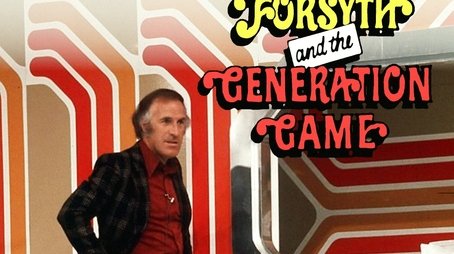
As the final episode unfolds, the stage is set with bright lights and an enthusiastic audience, creating an electric atmosphere. The host, Bruce Forsyth, stands center stage, exuding charm and energy as he introduces the contestants, who are primarily family pairs representing different generations. The excitement is palpable as the audience cheers, eager to see which family will emerge victorious.
The first scene features the contestants engaging in a series of light-hearted challenges that test their skills in various tasks, from crafting to trivia. Each family member takes turns, showcasing their unique abilities and the bond they share. Laughter and playful banter fill the air, highlighting the warmth and connection between the participants. The camera captures the expressions of determination and joy on their faces, revealing their internal motivations to win not just for themselves, but for their family legacy.
As the competition progresses, the challenges become increasingly intense, with families racing against the clock to complete tasks. The tension builds, and the audience is on the edge of their seats, cheering for their favorite contestants. The host skillfully navigates the excitement, encouraging the families and keeping the energy high. The emotional stakes rise as families reflect on their shared experiences and the pride they feel in representing their lineage.
In the penultimate scene, the final challenge is announced, and the remaining families are visibly nervous yet excited. They gather their strength and focus, knowing that this is their last chance to secure victory. The challenge requires not only skill but also teamwork, as family members must rely on one another to succeed. The camera zooms in on their faces, capturing the mix of anxiety and determination as they work together, embodying the spirit of the show.
Finally, the moment arrives when the winning family is revealed. The host builds suspense, and the audience holds their breath. When the winning family is announced, a wave of joy washes over them. They embrace, tears of happiness streaming down their faces as they celebrate their victory. The prize, a symbol of their hard work and unity, is presented to them amidst cheers and applause. The other families, though disappointed, join in the celebration, showcasing the camaraderie that has developed throughout the competition.
As the show concludes, the host thanks all the contestants for their participation, emphasizing the importance of family and the joy of shared experiences. The camera pans over the smiling faces of the contestants, capturing the essence of the show: a celebration of generational bonds, laughter, and the spirit of competition. Each family leaves the stage with cherished memories, having forged deeper connections with one another, regardless of the outcome. The screen fades to black, leaving the audience with a sense of warmth and nostalgia for the familial ties that bind us all.
Is there a post-credit scene?
The Generation Game, which first aired in 1971, does not feature post-credit scenes. The show is primarily a light-hearted game show that focuses on family participation, where contestants, often family members, compete in various challenges and tasks. Each episode typically concludes with the final game and the awarding of prizes, followed by a light-hearted wrap-up from the host, but there are no additional scenes or content after the credits roll. The format emphasizes fun and family interaction rather than narrative storytelling that would require a post-credit scene.
Who were the original hosts of The Generation Game?
The original hosts of The Generation Game were Bruce Forsyth and his wife, Anthea Redfern. Bruce Forsyth brought his charismatic personality and humor to the show, while Anthea Redfern contributed with her charm and grace, creating a dynamic duo that resonated with audiences.
What types of games and challenges were featured on The Generation Game?
The Generation Game featured a variety of games and challenges that tested the skills and teamwork of family pairs. These included tasks like making a cake, assembling a jigsaw puzzle, and performing physical challenges, all designed to entertain and engage both the contestants and the audience.
How did the family pairs compete against each other in The Generation Game?
In The Generation Game, family pairs competed against each other by participating in a series of fun and often humorous challenges. Each pair would take turns completing tasks, with points awarded based on their performance, leading to a competitive yet light-hearted atmosphere.
What role did the 'Prize Table' play in The Generation Game?
The 'Prize Table' in The Generation Game was a central feature where contestants could see the prizes they were competing for. It created excitement and motivation, as families aimed to win various household items, holidays, and other rewards, culminating in a final chance to win a big prize.
How did the audience interact with the contestants during The Generation Game?
The audience in The Generation Game interacted with the contestants through laughter, cheers, and encouragement. Their reactions added to the lively atmosphere of the show, and at times, audience members were invited to participate in certain games, enhancing the communal experience of the program.
Is this family friendly?
"The Generation Game," produced in 1971, is primarily a family-friendly variety show that focuses on the interactions between different generations of families as they participate in various games and challenges. The show is characterized by its light-hearted and humorous approach, making it suitable for a wide audience, including children.
However, there are a few aspects that might be considered potentially objectionable or upsetting for some viewers, particularly sensitive individuals or young children:
-
Competitive Pressure: The nature of the games can create a competitive atmosphere that might lead to feelings of disappointment or frustration for participants who do not perform well.
-
Physical Comedy: Some challenges involve physical comedy or slapstick humor, which may not resonate well with all viewers. While intended to be funny, it could be perceived as embarrassing or uncomfortable for some.
-
Family Dynamics: The show often highlights family relationships, which can sometimes bring up themes of rivalry or tension, especially if family members do not get along or have differing opinions.
-
Emotional Reactions: Participants may express strong emotions, such as excitement or disappointment, which could be intense for younger viewers to process.
Overall, while "The Generation Game" is designed to entertain and engage families, these elements could be sensitive for some viewers.