


Popular
What is Baretta's real name and what motivates him as a character?
Who is Baretta's partner and what is their relationship like?
What role does Baretta's pet bird play in the series?
How does Baretta handle the criminals he encounters throughout the series?
What are some of the key challenges Baretta faces in his investigations?
Should I watch it?
Ask Your Own Question

What is the plot?
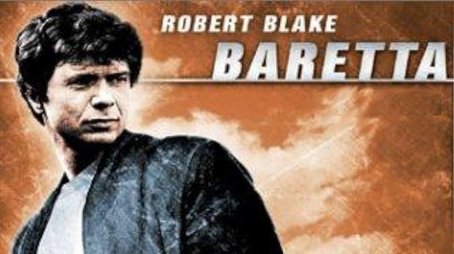
Baretta opens with the introduction of Tony Baretta, a tough, street-smart detective working in a gritty urban environment. He is often seen wearing a distinctive hat and a leather jacket, embodying the essence of a lone wolf. The series begins with Baretta receiving a call about a murder in a rundown neighborhood. He arrives at the scene, where he finds a young woman dead in an alley. The emotional weight of the crime weighs heavily on him, and he vows to find the killer.
In the following episode, Baretta investigates a series of robberies that have escalated into violence. He interviews witnesses, including a frightened shop owner who saw the robbers. Baretta's determination to protect the community drives him to go undercover, posing as a potential buyer for stolen goods. This leads him to a confrontation with the gang responsible for the crimes. During a tense standoff, Baretta uses his street smarts to outmaneuver the gang members, ultimately leading to their arrest.
As the series progresses, Baretta faces personal challenges, including his complicated relationship with his partner, who often questions his methods. In one episode, they are called to a domestic disturbance that escalates into a hostage situation. Baretta takes the lead, using his negotiation skills to communicate with the hostage-taker. He empathizes with the man's plight, which allows him to diffuse the situation without violence. This moment showcases Baretta's ability to connect with people, even those on the wrong side of the law.
In another storyline, Baretta becomes involved in a case of a missing child. The emotional stakes are high as he works tirelessly to gather clues. He interviews the child's friends and family, piecing together a timeline of events leading up to the disappearance. Baretta's relentless pursuit of justice leads him to a suspect who has a history of similar crimes. In a gripping sequence, Baretta confronts the suspect in a dark warehouse, leading to a physical altercation. Baretta's determination to save the child fuels his strength, and he ultimately apprehends the suspect.
The series also delves into Baretta's personal life, revealing his struggles with loneliness and the toll his job takes on his relationships. In one poignant episode, he reflects on his past decisions while visiting his estranged father in prison. Their conversation is filled with tension and unresolved feelings, highlighting Baretta's internal conflict between his duty as a cop and his desire for familial connection.
In a climactic episode, Baretta faces off against a notorious crime boss who has been eluding capture for years. The investigation leads Baretta to a high-stakes drug deal. He devises a plan to infiltrate the operation, gathering evidence to bring down the crime syndicate. The tension builds as Baretta navigates through a web of deceit and danger. During the deal, a shootout erupts, and Baretta must rely on his instincts and training to survive. He manages to take down several henchmen, but the crime boss escapes, setting the stage for future confrontations.
Throughout the series, Baretta's character is defined by his unwavering commitment to justice, often putting himself in harm's way to protect the innocent. His relationships with other characters, including his partner and various informants, add depth to his character, showcasing his vulnerability beneath the tough exterior. The series concludes with Baretta reflecting on his journey, acknowledging the sacrifices he has made while remaining steadfast in his mission to serve and protect his community.









What is the ending?
The ending of "Baretta" features Detective Tony Baretta confronting the criminal underworld while dealing with personal loss. In the final episode, Baretta faces a significant challenge that tests his resolve and commitment to justice. The series concludes with Baretta reflecting on his life and the choices he has made, emphasizing the ongoing struggle between good and evil.
In a more detailed narrative, the final episode opens with a tense atmosphere in the city, where Baretta is on the trail of a notorious crime boss who has been eluding capture. The scene is set in a dimly lit alley, where Baretta, dressed in his signature casual attire, is seen speaking with an informant. The informant, visibly nervous, provides Baretta with crucial information about the crime boss's next move. Baretta's determination is palpable; he knows that this could be his chance to bring down a major player in the criminal world.
As the episode progresses, Baretta's personal life begins to unravel. He receives a phone call informing him that a close friend and fellow officer has been killed in the line of duty. The news hits Baretta hard, and the emotional weight of the loss is evident on his face. He grapples with feelings of anger and sorrow, which fuel his resolve to take down the crime boss. The scene shifts to Baretta at the precinct, where he is surrounded by his colleagues, all mourning the loss of their friend. The camaraderie among the officers is highlighted, showcasing the bond they share in the face of danger.
In the climax of the episode, Baretta sets up a sting operation to capture the crime boss. The tension builds as he and his team prepare for the confrontation. Baretta's internal conflict is evident; he is torn between his duty as a police officer and the emotional turmoil of losing a friend. The operation unfolds in a high-stakes showdown, with Baretta and his team engaging in a fierce gun battle with the crime boss's henchmen. The action is intense, with gunfire echoing through the streets, and Baretta's instincts as a seasoned detective come into play as he navigates the chaos.
As the dust settles, Baretta confronts the crime boss in a dramatic face-off. The crime boss, cornered and desperate, tries to negotiate his way out, but Baretta stands firm, driven by the memory of his fallen friend. The confrontation is charged with emotion, and Baretta's resolve to uphold justice shines through. Ultimately, Baretta apprehends the crime boss, bringing a sense of closure to the case.
In the final scenes, Baretta is seen at the memorial service for his friend, surrounded by fellow officers. The somber atmosphere reflects the harsh realities of police work, and Baretta's expression reveals a mix of grief and determination. He vows to continue fighting against crime, honoring the memory of his friend. The series concludes with Baretta walking away from the memorial, a lone figure against the backdrop of the city, symbolizing the ongoing battle between good and evil that he will continue to face.
Throughout the ending, the fates of the main characters are intertwined with the themes of loss, duty, and the relentless pursuit of justice. Baretta remains committed to his role as a detective, despite the personal sacrifices he has made, while the impact of his friend's death serves as a poignant reminder of the dangers inherent in his profession. The series closes on a note of resilience, highlighting Baretta's unwavering spirit in the face of adversity.
Is there a post-credit scene?
The television show "Baretta," which aired from 1975 to 1978, did not feature post-credit scenes. Each episode typically concluded with a wrap-up of the storyline, often highlighting the main character, Detective Tony Baretta, reflecting on the events that transpired. The show focused on crime-solving and character development, with a strong emphasis on Baretta's personal struggles and relationships. The format adhered to the traditional episodic structure of the time, without the inclusion of additional scenes after the credits.
What is Baretta's real name and what motivates him as a character?
Baretta's real name is Tony Baretta, and he is a tough, street-smart detective who often operates outside the lines of the law. His motivation stems from a deep sense of justice and a personal commitment to protecting the innocent, often driven by his own troubled past and the loss of his partner.
Who is Baretta's partner and what is their relationship like?
Baretta's partner is Detective Fred 'Bobby' Barlow. Their relationship is characterized by a strong bond of friendship and mutual respect, but it is also strained at times due to Baretta's unorthodox methods and Barlow's more by-the-book approach. Barlow often serves as a voice of reason, trying to keep Baretta grounded.
What role does Baretta's pet bird play in the series?
Baretta's pet bird, a cockatoo named Fred, serves as a symbol of his free-spirited nature and provides comic relief throughout the series. The bird often mirrors Baretta's emotions and serves as a confidant, reflecting his loneliness and the weight of his job.
How does Baretta handle the criminals he encounters throughout the series?
Baretta often employs unconventional tactics to handle criminals, relying on his street smarts and instincts rather than strict adherence to police procedures. He frequently goes undercover, uses disguises, and engages in high-stakes confrontations, showcasing his willingness to take risks to achieve justice.
What are some of the key challenges Baretta faces in his investigations?
Throughout the series, Baretta faces numerous challenges, including navigating the complexities of the criminal underworld, dealing with corrupt officials, and managing the emotional toll of his job. He often grapples with moral dilemmas, especially when his actions put him at odds with the law or endanger his loved ones.
Is this family friendly?
"Baretta," produced in 1975, is a crime drama series that follows the life of Tony Baretta, an undercover cop who often operates outside the law to bring criminals to justice. While the show has its merits, it contains several elements that may not be suitable for children or sensitive viewers.
-
Violence and Crime: The series frequently depicts violent confrontations, including shootouts and physical altercations. These scenes can be intense and may be distressing for younger audiences.
-
Drug Use: There are references to drug use and drug-related crimes, which are central to some of the storylines. This portrayal may be concerning for parents monitoring content for children.
-
Adult Themes: The show explores themes of betrayal, loss, and moral ambiguity. Characters often face difficult choices that can lead to tragic outcomes, which may be heavy for younger viewers to process.
-
Language: The dialogue includes occasional strong language and slang that may not be appropriate for children.
-
Emotional Turmoil: Characters experience significant emotional struggles, including grief and anger, which can be intense and may resonate deeply with sensitive viewers.
Overall, while "Baretta" offers a compelling narrative and character development, its mature themes and content may not be suitable for a family-friendly viewing experience.