


Popular
What recurring sketches or segments were featured on Late Night with Conan O'Brien in 1993?
Who were some of the notable celebrity guests on Late Night with Conan O'Brien in 1993?
What was the dynamic between Conan O'Brien and his sidekick Andy Richter during the show in 1993?
What was the significance of the 'Late Night' band led by Max Weinberg in 1993?
How did Conan O'Brien's comedic style evolve throughout the episodes in 1993?
Should I watch it?
Ask Your Own Question

What is the plot?
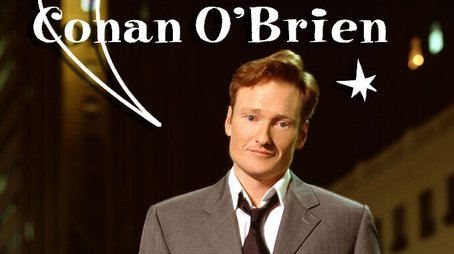
"Late Night with Conan O'Brien" is a late-night talk show that premiered on September 13, 1993. The show does not follow a traditional narrative structure with a plot, characters, and a storyline like a scripted drama or film. Instead, it features a series of segments, interviews, and comedic sketches that vary from episode to episode.
Each episode typically begins with Conan O'Brien delivering a monologue filled with jokes and commentary on current events, pop culture, and personal anecdotes. The monologue sets the tone for the show, showcasing Conan's unique comedic style, characterized by self-deprecation, absurdity, and playful interactions with the audience.
Following the monologue, the show often includes various segments, such as comedic bits, recurring characters, and sketches. These segments are designed to entertain and engage the audience, often featuring absurd scenarios or parodies of popular culture. For example, Conan might introduce a character like "The Masturbating Bear," which became a memorable part of the show's early years.
The show also features celebrity interviews, where Conan engages with guests from various fields, including actors, musicians, and authors. These interviews often include humorous banter, unexpected moments, and Conan's signature style of poking fun at his guests while also allowing them to share their stories and promote their work.
Throughout the episodes, there are also musical performances, which add to the variety of the show. Conan's band, led by Max Weinberg, provides musical accompaniment and often participates in comedic bits, enhancing the overall entertainment value.
As the show progresses, Conan's interactions with his sidekick Andy Richter become a highlight. Their chemistry and comedic timing contribute to the show's charm, with Andy often playing the role of the straight man to Conan's antics.
The format of "Late Night with Conan O'Brien" allows for spontaneity and unpredictability, with each episode offering a unique blend of humor, celebrity appearances, and creative sketches. The show's success is attributed to Conan's distinctive voice and approach to late-night television, which set it apart from other talk shows of the time.
In summary, "Late Night with Conan O'Brien" does not have a singular plot or storyline but rather consists of a series of comedic segments, interviews, and sketches that reflect the show's dynamic and entertaining nature. Each episode is a standalone experience, showcasing Conan's humor and the variety of guests and segments that define the series.








What is the ending?
"Late Night with Conan O'Brien" does not have a traditional narrative ending like a scripted film or series, as it is a late-night talk show format that aired its first episode on September 13, 1993. Each episode features a monologue, sketches, celebrity interviews, and musical performances, culminating in a unique experience that does not follow a linear story arc with a definitive conclusion.
However, if we consider the show's evolution and its impact over time, we can summarize its essence. The show concluded its run in 2009, but during its initial years, it became known for its quirky humor, innovative sketches, and Conan's distinctive comedic style. The ending of each episode typically involved Conan engaging with his guests, delivering a final comedic bit, and thanking the audience, leaving viewers with a sense of joy and anticipation for the next episode.
In a more detailed narrative fashion, let's explore a typical ending of an episode from 1993:
As the show nears its conclusion, the camera pans across the vibrant studio, capturing the lively audience clapping and laughing, their faces illuminated by the warm stage lights. Conan, with his signature red hair and playful demeanor, stands center stage, a wide grin on his face as he prepares to wrap up the evening.
"Thank you, everyone! What a fantastic show we had tonight!" he exclaims, his voice filled with genuine enthusiasm. The audience erupts in applause, their excitement palpable. Conan takes a moment to acknowledge his guests, who are seated on the couch beside him. There's a well-known actor, a pop star, and a comedian, each of whom has shared stories and laughter throughout the episode.
The camera zooms in on the guests, capturing their smiles and camaraderie. The actor, still chuckling from a recent joke, leans forward, engaging with Conan. "You know, Conan, I never thought I'd have so much fun on a talk show!" he says, his eyes sparkling with amusement. The pop star nods in agreement, adding, "This is the best way to promote my new album!"
Conan, ever the master of improvisation, responds with a playful quip, "Well, if you ever need a backup dancer, I'm your guy!" The audience roars with laughter, and the atmosphere is electric with joy.
As the show approaches its final moments, Conan turns to the camera, his expression shifting to one of sincerity. "I want to thank all of you for tuning in tonight. You make this show what it is!" His heartfelt gratitude resonates with the viewers, creating a connection that transcends the screen.
The closing theme music begins to play, a catchy tune that has become synonymous with the show. Conan waves goodbye, his smile unwavering, as the camera pulls back to capture the entire set, the audience still cheering. The lights dim slightly, and the screen fades to black, leaving viewers with a sense of warmth and anticipation for the next episode.
In this format, there are no definitive fates for characters as in a scripted narrative; instead, the fate of the show itself is one of continued success and evolution, with Conan O'Brien establishing himself as a beloved figure in late-night television. Each episode serves as a snapshot of the time, filled with humor, celebrity interactions, and the unique charm that Conan brings to the stage.
Is there a post-credit scene?
"Late Night with Conan O'Brien," which premiered in 1993, did not typically feature post-credit scenes in the way that many modern television shows do. The format of the show was primarily focused on the live audience experience, with Conan O'Brien delivering his monologue, engaging in comedic sketches, and interviewing guests.
The show often concluded with a musical performance or a comedic bit, but these were integrated into the main content rather than being separate post-credit scenes. The humor and spontaneity of the show were often encapsulated in the final moments, leaving the audience with a sense of closure rather than a teaser or additional scene after the credits.
Conan's style was characterized by a mix of absurdity and self-deprecation, and the final segments often reflected this, with Conan engaging in playful banter with his bandleader, Max Weinberg, or wrapping up with a humorous commentary on the evening's events. The focus remained on delivering a cohesive comedic experience rather than extending the narrative with post-credit content.
What recurring sketches or segments were featured on Late Night with Conan O'Brien in 1993?
In 1993, Late Night with Conan O'Brien introduced several memorable sketches and segments that became fan favorites. One of the most notable was 'In the Year 2000,' a comedic segment where Conan and his guests would humorously predict what the future would hold. Another popular segment was 'The Masturbating Bear,' which featured a bear puppet that became a symbol of the show's irreverent humor. Additionally, 'Conan O'Brien's Late Night Scavenger Hunt' allowed audience members to participate in quirky challenges, showcasing Conan's playful interaction with fans.
Who were some of the notable celebrity guests on Late Night with Conan O'Brien in 1993?
In 1993, Late Night with Conan O'Brien featured a variety of high-profile celebrity guests that contributed to the show's charm. Notable appearances included actors like Tom Hanks, who brought his affable personality to the stage, and Drew Barrymore, who showcased her bubbly energy. Musicians such as Elvis Costello also graced the show, performing live and engaging in humorous banter with Conan, adding to the vibrant atmosphere of the late-night program.
What was the dynamic between Conan O'Brien and his sidekick Andy Richter during the show in 1993?
The dynamic between Conan O'Brien and his sidekick Andy Richter in 1993 was characterized by a playful camaraderie that resonated with audiences. Andy often played the role of the straight man, providing a counterbalance to Conan's zany antics. Their interactions were filled with quick-witted banter, with Andy frequently interjecting with humorous observations or sarcastic remarks that highlighted Conan's absurdities. This chemistry not only enhanced the comedic value of the show but also created a warm, inviting atmosphere that made viewers feel like they were part of an inside joke.
What was the significance of the 'Late Night' band led by Max Weinberg in 1993?
The 'Late Night' band, led by drummer Max Weinberg, played a crucial role in the show's identity in 1993. The band provided a lively musical backdrop that complemented Conan's comedic sketches and monologues. Max's energetic drumming and the band's ability to seamlessly transition between comedic bits and musical performances added a dynamic layer to the show. Their presence not only enhanced the entertainment value but also established a sense of continuity and rhythm that became synonymous with Late Night's unique style.
How did Conan O'Brien's comedic style evolve throughout the episodes in 1993?
Throughout 1993, Conan O'Brien's comedic style evolved significantly as he found his footing as a late-night host. Initially, his humor was marked by a blend of self-deprecation and absurdity, often poking fun at his own inexperience. As the year progressed, Conan began to embrace more surreal and unconventional comedy, incorporating bizarre sketches and unexpected guest interactions. His confidence grew, allowing him to take greater risks with his material, which resonated with audiences and helped establish his distinctive voice in the late-night landscape.
Is this family friendly?
"Late Night with Conan O'Brien," which premiered in 1993, is known for its unique blend of humor, satire, and absurdity. While the show often features comedic sketches, celebrity interviews, and musical performances, it is important to note that it is primarily aimed at an adult audience.
Potentially objectionable or upsetting aspects for children or sensitive viewers may include:
-
Adult Humor: The show frequently employs humor that revolves around adult themes, innuendos, and sexual references that may not be suitable for younger audiences.
-
Satirical Content: Conan often satirizes current events, politics, and celebrities, which can include sharp or biting commentary that might be confusing or inappropriate for children.
-
Physical Comedy: Some sketches involve slapstick or physical humor that could be perceived as violent or aggressive, though it is typically exaggerated for comedic effect.
-
Language: While the show does not typically use explicit language, there may be occasional mild profanity or suggestive language that could be deemed inappropriate.
-
Dark Humor: Certain segments may delve into darker comedic territory, which could be unsettling for sensitive viewers.
Overall, while "Late Night with Conan O'Brien" is a beloved show for many, its content is best suited for a mature audience, and parental discretion is advised for younger viewers.