


Popular
Should I watch it?
Ask Your Own Question

What is the plot?
In the first episode of the 1957 television series "Zorro," we are introduced to Don Diego de la Vega, a wealthy and seemingly effete nobleman living in Los Angeles, California, during the Spanish colonial period. He is portrayed as a man who prefers to avoid conflict and is often underestimated by the local authorities. However, he harbors a secret identity as Zorro, a masked vigilante who fights against injustice and defends the oppressed.
The story begins with the arrival of the corrupt Alcalde, Don Alejandro, who imposes harsh taxes on the townspeople. The citizens are frustrated and fearful, as they have little means to resist his tyranny. Don Diego, observing the plight of the people, feels a growing sense of responsibility to take action. He decides to don the mask of Zorro, using his skills in swordsmanship and cunning to outsmart the Alcalde and his soldiers.
In a pivotal scene, Zorro makes his first appearance by interrupting a tax collection. He rides in on his black stallion, Tornado, and confronts the Alcalde's men. With a series of swift and agile movements, Zorro engages in a sword fight with the soldiers, showcasing his exceptional fighting skills. He deftly disarms them, leaving them humiliated and unable to capture him. As he escapes, he leaves behind his signature mark, a "Z" slashed into the ground, which becomes a symbol of hope for the townspeople.
As the episodes progress, Zorro continues to thwart the Alcalde's plans, often using clever disguises and tactics to outwit his enemies. He develops a close relationship with the local innkeeper, Diego's friend, and confidant, Bernardo, who is deaf and mute but serves as Zorro's loyal assistant. Bernardo helps Zorro by providing information and aiding in his escapades, often using his own cleverness to distract the Alcalde's men.
In one episode, Zorro learns of a plot by the Alcalde to imprison a group of innocent villagers accused of theft. Determined to save them, Zorro devises a plan to infiltrate the Alcalde's fortress. He disguises himself as a soldier and gains access to the prison. Inside, he encounters the frightened villagers and reassures them that he will help them escape. Zorro then engages in a fierce battle with the guards, using his agility and swordsmanship to defeat them one by one.
After freeing the villagers, Zorro leads them through a series of secret passages within the fortress. They encounter several close calls with the Alcalde's men, but Zorro's quick thinking and resourcefulness allow them to evade capture. As they make their way out, Zorro uses his signature "Z" mark to confuse the guards, leading them on a wild goose chase while the villagers escape to safety.
In another significant episode, Zorro faces a personal challenge when he falls in love with a beautiful woman named Lolita. She is unaware of his dual identity, and Zorro struggles with his feelings for her while maintaining his secret. Their romantic encounters are filled with tension, as Zorro must balance his duties as a vigilante with his desire for a normal life. Lolita is drawn to Zorro's bravery and charm, but she is also conflicted by her feelings for Don Diego, who is kind and gentle.
As the series progresses, Zorro's battles with the Alcalde become increasingly dangerous. The Alcalde, determined to capture Zorro, enlists the help of a ruthless bounty hunter. This antagonist poses a significant threat to Zorro, leading to a series of intense confrontations. In one climactic showdown, Zorro faces the bounty hunter in a dramatic duel. The fight is filled with tension, as both men display their skills. Zorro ultimately triumphs, but not without sustaining injuries that leave him vulnerable.
Throughout the series, Zorro's identity remains a closely guarded secret, leading to moments of suspense as characters come close to discovering who he truly is. The townspeople rally around Zorro, inspired by his courage and determination to fight for justice. The Alcalde's frustration grows as he fails to capture Zorro, leading him to resort to increasingly desperate measures.
In the final episodes, Zorro's dual life becomes more complicated as he must confront the consequences of his actions. The Alcalde, enraged by Zorro's continued defiance, plots to capture him once and for all. In a thrilling climax, Zorro is betrayed by someone he trusted, leading to a dramatic confrontation where he must fight for his freedom and the safety of the townspeople.
The series concludes with Zorro's victory over the Alcalde, restoring peace to Los Angeles. Zorro's identity remains a mystery to the townspeople, and he continues to protect them from injustice while maintaining his life as Don Diego. The final scenes depict Zorro riding off into the sunset, a symbol of hope and resilience for the oppressed, leaving behind a legacy that will inspire future generations.









What is the ending?
In the final episode of the 1957 television series "Zorro," titled "The Curse of Capistrano," Zorro faces off against his nemesis, Captain Monastario, while also dealing with the threat posed by a mysterious curse. The episode culminates in a dramatic confrontation, where Zorro's cleverness and bravery shine through, ultimately leading to the defeat of Monastario. The townspeople celebrate Zorro's victory, and he continues to protect the people of Los Angeles, remaining a symbol of justice and hope.
As the episode begins, the sun sets over the picturesque town of Los Angeles, casting long shadows that hint at the tension to come. Zorro, the masked hero, is alerted to a new threat: Captain Monastario has returned with a vengeance, determined to rid the town of its beloved protector. The townspeople are anxious, whispering about a curse that has befallen the area, which Monastario exploits to instill fear.
Scene by scene, the narrative unfolds. Zorro, portrayed by Guy Williams, dons his iconic black mask and cape, embodying the spirit of justice. He rides through the streets on his trusty horse, Tornado, his heart filled with determination to protect the innocent. The townsfolk, including his loyal friend Bernardo, express their admiration and concern for Zorro's safety, knowing the risks he faces against Monastario.
As the plot thickens, Zorro learns of Monastario's plan to capture him using the curse as a distraction. The captain, played by Henry Calvin, is shown plotting in his dimly lit office, his face twisted with malice as he devises a scheme to lure Zorro into a trap. The tension escalates as Zorro, aware of the danger, devises his own plan to outsmart Monastario.
In a pivotal scene, Zorro confronts Monastario in a dramatic showdown. The two engage in a fierce sword fight, their blades clashing with a metallic ring that echoes through the night. Zorro's agility and skill are on full display as he deftly maneuvers around Monastario, who is fueled by rage and desperation. The fight is not just physical; it is a battle of wits, with Zorro using his cunning to turn Monastario's own traps against him.
As the fight reaches its climax, Zorro manages to disarm Monastario, leaving him vulnerable. The captain, realizing he has been outsmarted, is filled with a mix of anger and fear. Zorro, standing tall, delivers a powerful message about justice and the importance of standing up against tyranny. The townspeople, who have gathered to witness the confrontation, cheer for Zorro, their spirits lifted by his bravery.
In the aftermath of the battle, Monastario is apprehended, his reign of terror finally at an end. The townspeople celebrate Zorro's victory, their faces illuminated with joy and relief. Zorro, however, remains humble, reminding them that his fight for justice is ongoing. He shares a moment with Bernardo, who has been his steadfast ally throughout the trials they faced.
As the episode draws to a close, Zorro rides off into the sunset, a symbol of hope and resilience for the people of Los Angeles. The camera lingers on the townsfolk, who express their gratitude and admiration for their masked hero. The final scene captures Zorro's silhouette against the setting sun, a reminder that while the battle may be won, the fight for justice continues.
In summary, the fates of the main characters are as follows: Zorro remains a protector of the people, continuing his mission to fight against injustice. Captain Monastario is defeated and captured, his plans thwarted by Zorro's cleverness. Bernardo, Zorro's loyal friend, stands by his side, celebrating their victory together. The townspeople, once fearful, are now emboldened by Zorro's bravery, united in their hope for a brighter future.
Is there a post-credit scene?
The 1957 television series "Zorro" does not feature post-credit scenes. Each episode typically concludes with a final scene that wraps up the story, often showing Zorro's triumph over the villains or a humorous moment involving his alter ego, Don Diego de la Vega. The series maintains a consistent format, focusing on the adventures and escapades of Zorro in the Spanish California setting, without the inclusion of additional scenes after the credits. The emphasis is on the narrative within the episode itself, leaving viewers with a sense of closure as the credits roll.
Who is Zorro's main adversary in the series?
Zorro's primary adversary in the 1957 series is Captain Monastario, the corrupt and tyrannical commander of the local garrison. Monastario is determined to capture Zorro and eliminate him as a threat to his authority, often resorting to underhanded tactics and cruelty to achieve his goals.
What is the significance of Zorro's mask and costume?
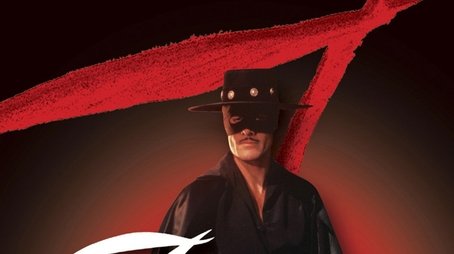
Zorro's mask and costume serve multiple purposes: they conceal his identity, allowing him to operate as a vigilante without revealing his true self, and they symbolize his commitment to justice. The iconic black attire, complete with a wide-brimmed hat and cape, creates a striking visual that embodies his persona as a heroic figure fighting against oppression.
How does Don Diego de la Vega maintain his double life?
Don Diego de la Vega, Zorro's alter ego, maintains his double life by playing the role of a foppish and ineffectual nobleman. This façade allows him to deflect suspicion from his activities as Zorro. He often feigns disinterest in the affairs of the town, which helps him gather information and plan his interventions without raising alarm.
What role does Bernardo play in Zorro's life?
Bernardo is Zorro's loyal servant and confidant, who is also deaf and mute. His character is crucial as he assists Zorro in his endeavors, providing support and intelligence. Bernardo's unwavering loyalty and cleverness often help Zorro escape tricky situations, and their bond highlights themes of friendship and trust.
How does Zorro's relationship with the townspeople evolve throughout the series?
Zorro's relationship with the townspeople evolves from one of skepticism to admiration and gratitude. Initially, some townsfolk are wary of his methods, but as they witness his bravery and commitment to fighting injustice, they come to see him as a hero. This shift is often depicted through their reactions to his interventions against Captain Monastario and his men, culminating in a sense of unity against oppression.
Is this family friendly?
The 1957 television series "Zorro" is generally considered family-friendly, but there are a few elements that might be potentially objectionable or upsetting for children or sensitive viewers.
-
Violence: The show features sword fights and duels, which, while choreographed and not overly graphic, can be intense. Characters often face threats of violence from soldiers and villains.
-
Tension and Conflict: There are scenes of conflict between Zorro and the corrupt officials, which may create suspense. The stakes can feel high, especially when innocent characters are in danger.
-
Emotional Struggles: Characters sometimes experience fear, betrayal, or sadness, particularly when loved ones are threatened or when Zorro's dual identity creates tension in his relationships.
-
Mild Peril: There are moments where characters are captured or in perilous situations, which could be distressing for younger viewers.
-
Thematic Elements: The show addresses themes of justice, oppression, and rebellion against tyranny, which may require some contextual understanding for younger audiences.
Overall, while the series contains these elements, it is presented in a manner that is suitable for family viewing, with a focus on adventure and heroism.