


Popular
How does the setting of the show influence the plot and character interactions?
What are the main conflicts between the two mothers-in-law, Eve and Kaye?
How do the husbands, Jerry and David, react to their mothers-in-law's antics?
What role does the character of the daughters, Susan and Mel, play in the conflicts?
What specific schemes do Eve and Kaye devise to outdo each other?
Should I watch it?
Ask Your Own Question

What is the plot?
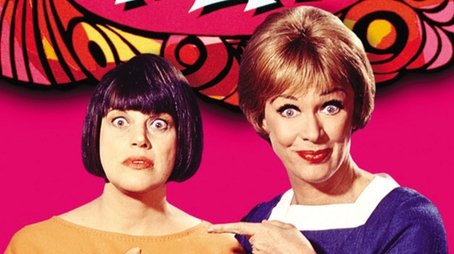
"The Mothers-in-Law" is a sitcom that revolves around two mothers-in-law, Eve and Kaye, who are both very different in personality and approach to life, and their relationships with their daughters and sons-in-law. The show primarily focuses on the comedic situations that arise from their interactions.
The series begins with Eve and Kaye, who are neighbors and have daughters who are married to two men, Jerry and David. The first episode introduces the characters and sets the stage for the comedic conflicts that will ensue. Eve, played by Eve Arden, is a more traditional and conservative woman, while Kaye, played by Kaye Ballard, is more modern and free-spirited. Their contrasting personalities lead to humorous situations as they navigate their roles as mothers-in-law.
In the pilot episode, the plot centers around the impending visit of Jerry and David's parents. Eve is anxious about the visit and wants everything to be perfect, while Kaye is more laid-back and suggests they just go with the flow. This difference in approach leads to tension between the two mothers-in-law. As the day of the visit approaches, both women prepare in their own ways, leading to a series of comedic mishaps.
As the parents arrive, the chaos begins. Eve tries to impress them with a lavish dinner, while Kaye accidentally spills wine on the tablecloth, leading to a frantic attempt to clean it up. The dinner itself is filled with awkward conversations and misunderstandings, showcasing the differences in their parenting styles and values. The tension escalates when Eve's attempts to control the situation clash with Kaye's more relaxed attitude.
Throughout the episode, the daughters, who are caught in the middle, try to mediate between their mothers. They express their frustrations about the constant competition and bickering, which adds to the comedic tension. The episode culminates in a series of misunderstandings that lead to a humorous climax, where both mothers-in-law realize that their differences can lead to funny situations rather than conflict.
In subsequent episodes, the show continues to explore the dynamics between the mothers-in-law and their families. Each episode presents a new scenario, such as holiday gatherings, family vacations, or unexpected guests, all of which highlight the comedic potential of their contrasting personalities. The characters face various challenges, from misunderstandings about family traditions to the pressures of modern life, all while maintaining their unique identities.
As the series progresses, the relationships between the characters deepen. Eve and Kaye learn to appreciate each other's strengths and weaknesses, leading to moments of genuine friendship amidst the comedy. The daughters also grow in their roles, often stepping in to resolve conflicts or to support their mothers in their endeavors.
The show features a variety of guest stars and recurring characters, adding to the comedic landscape. Each episode typically concludes with a resolution that reinforces the bond between the families, often with a humorous twist that leaves the audience laughing.
Overall, "The Mothers-in-Law" captures the essence of family dynamics through the lens of humor, showcasing the trials and tribulations of motherhood and the complexities of in-law relationships. The series remains a classic example of 1960s sitcoms, blending situational comedy with relatable family themes.









What is the ending?
The ending of "The Mothers-in-Law" features a comedic resolution where the two mothers, Eve and Kaye, along with their families, come together to celebrate a family event, showcasing their quirky dynamics and the love that ultimately binds them despite their differences.
In a more detailed narrative, the final episode opens with a bright, sunny day, setting the stage for a family gathering at the home of Eve and Herb. The atmosphere is filled with excitement and a hint of tension as both families prepare for the event. Eve, played by Eve Arden, is bustling around the kitchen, her apron dusted with flour, as she tries to perfect her famous dish. Her husband, Herb, is attempting to help but is more of a hindrance, leading to humorous exchanges that highlight their loving yet chaotic relationship.
Meanwhile, Kaye, portrayed by Kaye Ballard, is in her own home, fretting over the details of the gathering. She is determined to outshine Eve, believing that her contributions will be the highlight of the day. Her husband, a calm and collected man, tries to soothe her nerves, reminding her that the day is about family and not competition. Kaye's internal struggle is palpable as she juggles her desire for recognition with her love for her family.
As the guests begin to arrive, the scene shifts to the living room, where the two families come together. The initial interactions are filled with playful banter and light-hearted jabs, showcasing the long-standing rivalry between the two mothers. The camera captures the expressions of the family members, revealing a mix of amusement and exasperation as they navigate the familiar dynamics.
The climax of the episode occurs when a misunderstanding leads to a comedic mishap involving the food. A dish that Kaye prepared is accidentally ruined, leading to a moment of panic. However, Eve steps in, offering her own dish as a replacement. This act of kindness serves as a turning point, illustrating the theme of unity and support that underlies their relationship.
As the meal is served, the scene transitions to the dining table, where laughter and stories are shared. The camera pans across the faces of the family members, capturing their joy and the warmth of the moment. Eve and Kaye exchange glances, their rivalry momentarily set aside as they realize the importance of family over competition.
In the final moments, the families gather for a group photo, symbolizing their bond. The episode closes with a light-hearted exchange between Eve and Kaye, hinting at their continued rivalry but also their deep-seated affection for one another. The screen fades to black, leaving the audience with a sense of closure and the understanding that, despite their differences, family ties are what truly matter.
In summary, the ending of "The Mothers-in-Law" encapsulates the essence of family dynamics, showcasing the love, rivalry, and ultimately the unity that defines the relationships between the characters. Each main character finds a resolution in their personal conflicts, with Eve and Kaye reaffirming their roles as mothers and friends, while Herb and Kaye's husband provide the steady support that keeps the family grounded.
Is there a post-credit scene?
The television show "The Mothers-in-Law," which aired in 1967, did not feature post-credit scenes. The format of the show was typical of sitcoms of that era, concluding each episode with a final scene that wrapped up the storyline, but there were no additional scenes or credits that followed. Each episode focused on the comedic interactions between the two mothers-in-law, played by Eve Arden and Kaye Ballard, and their respective families, often culminating in a humorous resolution to the conflicts presented throughout the episode. The show maintained a straightforward structure without the modern practice of post-credit sequences.
How does the setting of the show influence the plot and character interactions?
The suburban setting of the show plays a crucial role in the plot and character interactions. The close proximity of the two families allows for frequent encounters and misunderstandings, which are central to the comedic elements of the series. The neighborhood dynamics, including interactions with neighbors and community events, further amplify the competition and camaraderie between Eve and Kaye.
What are the main conflicts between the two mothers-in-law, Eve and Kaye?
Eve and Kaye, the two mothers-in-law, often find themselves in humorous and competitive situations as they navigate their relationships with their daughters and their husbands. Their differing personalities and parenting styles lead to frequent clashes, with Eve being more traditional and Kaye being more modern and free-spirited. This dynamic creates a constant source of tension and comedy throughout the series.
How do the husbands, Jerry and David, react to their mothers-in-law's antics?
Jerry and David often find themselves caught in the middle of the chaos created by their mothers-in-law. They display a mix of exasperation and amusement as they try to manage the situations that arise from Eve and Kaye's rivalry. Their reactions range from attempts to mediate peace to moments of frustration, showcasing their loyalty to their wives while also feeling the weight of their mothers' expectations.
What role does the character of the daughters, Susan and Mel, play in the conflicts?
Susan and Mel, the daughters, serve as the peacemakers and often the voice of reason amidst the chaos. They are frequently put in the position of having to defend their husbands or their mothers, trying to maintain harmony in the family. Their reactions to the antics of their mothers-in-law reveal their own frustrations and loyalties, adding depth to the family dynamics.
What specific schemes do Eve and Kaye devise to outdo each other?
Eve and Kaye often engage in elaborate schemes to outshine one another, whether it be through hosting extravagant parties, showcasing their culinary skills, or trying to impress their daughters and sons-in-law with gifts or favors. These schemes often backfire, leading to comedic situations that highlight their competitive natures and the absurdity of their rivalry.
Is this family friendly?
"The Mothers-in-Law," produced in 1967, is generally considered a family-friendly sitcom. However, there are a few aspects that might be considered potentially objectionable or upsetting for children or sensitive viewers:
-
Marital Conflicts: The show often features humorous but sometimes tense interactions between the two mothers-in-law and their families, which may include misunderstandings and arguments that could be uncomfortable for younger viewers.
-
Cultural Stereotypes: Some episodes may contain outdated cultural stereotypes or humor that reflects the norms of the 1960s, which might not resonate well with modern sensibilities.
-
Social Situations: The characters occasionally find themselves in awkward social situations that could be embarrassing or uncomfortable, such as misunderstandings at family gatherings or social events.
-
Parental Disputes: There are moments where the mothers-in-law meddle in their children's lives, leading to conflicts that might be distressing for children who are sensitive to family dynamics.
Overall, while the show is light-hearted and comedic, these elements could be viewed as potentially upsetting depending on the viewer's age and sensitivity.