






















Popular
What is the significance of the relationship between Hibiki and Dita?
How does the character of Gascogne influence the crew of the Nirvana?
What role does the character of Duero play in the story?
What are the key events that lead to the conflict between the men of Earth and the women of Mejere?
How does the character of Meia evolve throughout the series?
Should I watch it?
Ask Your Own Question

What is the plot?
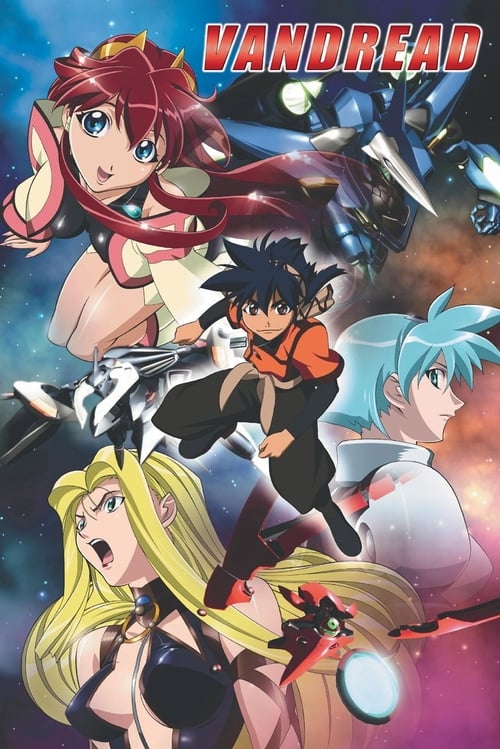
In the distant future, humanity has split into two factions: men and women, who live on separate planets. The men inhabit a planet called Tarak, while the women reside on a planet named Mejeer. The story begins with a group of male pilots from Tarak, who are part of a military unit. They are tasked with a mission to capture a female ship, which they believe is a threat. The main character, Hibiki Tokai, is a young and somewhat reckless pilot who is eager to prove himself.
During the mission, Hibiki and his fellow pilots, including the confident and skilled Dita, manage to board the female ship, which is called the Nirvana. However, they quickly realize that the women aboard are not the enemies they expected. The women, led by the strong-willed and determined captain, Meia, are just as confused and frightened by the men as the men are by them. A confrontation ensues, and in the chaos, Hibiki accidentally activates the ship's systems, causing the Nirvana to launch into space.
As the Nirvana escapes, the male pilots find themselves stranded on the ship with the women. Tensions run high as both groups struggle to understand each other. The men are initially hostile, but as they spend time together, they begin to form bonds. Hibiki, in particular, finds himself drawn to Dita, who is infatuated with him. Meanwhile, Meia is wary of the men but recognizes the need to work together for survival.
The crew of the Nirvana faces various challenges as they navigate through space. They encounter hostile alien forces known as the "Haru," who threaten both the men and women. During one intense battle, Hibiki and Dita pilot a mecha together, showcasing their growing teamwork and trust. The fight is fierce, with explosions and close calls, but they manage to fend off the Haru, solidifying their alliance.
As the story progresses, the characters confront their own prejudices and fears. Hibiki struggles with his feelings for Dita while also trying to understand Meia's leadership. Dita's affection for Hibiki becomes a source of tension, especially as Meia begins to develop feelings for him as well. This love triangle complicates their interactions and decisions, leading to emotional confrontations.
The crew of the Nirvana learns more about the Haru and their motivations. They discover that the Haru are not just mindless enemies but have their own reasons for attacking. This revelation forces the characters to reconsider their approach to conflict and cooperation. They begin to strategize together, combining their strengths to face the Haru threat.
In a pivotal moment, the crew of the Nirvana must make a daring rescue mission to save captured comrades from the Haru. Hibiki, Dita, and Meia lead the charge, showcasing their growth as a team. The mission is fraught with danger, and they face numerous obstacles, including enemy ships and traps. Each character must confront their fears and insecurities, pushing themselves to their limits.
As the climax approaches, the crew learns that the Haru are planning a massive attack on both Tarak and Mejeer. The men and women must unite their forces to prevent a catastrophic war. In a final showdown, they confront the Haru in a battle that tests their newfound alliances and resolve. The fight is intense, with mechas clashing and explosions lighting up the space around them.
In the aftermath of the battle, the characters reflect on their journey. Hibiki and Dita's relationship deepens, while Meia comes to terms with her feelings for Hibiki. The men and women of the Nirvana realize that they can work together, overcoming their differences for a common goal. The series concludes with a sense of hope for the future, as they set out to explore new worlds together, united in their quest for peace and understanding.








What is the ending?
In the ending of VanDread, the crew of the Nirvana successfully defeats the enemy forces, leading to a resolution of the conflict between men and women. Dita and Hibiki's relationship deepens, and the crew members find a new sense of unity and purpose. The series concludes with a hopeful outlook for the future, as the characters embrace their new lives together.
As the final episodes of VanDread unfold, the tension reaches its peak aboard the Nirvana. The crew, composed of both men and women who have previously been at odds, faces a formidable enemy in the form of the malevolent forces of the Harvesters. The atmosphere is thick with anticipation and fear as they prepare for the ultimate confrontation.
Scene 1: The Battle Begins The Nirvana, a ship that has become a symbol of unity, is surrounded by enemy ships. The crew, now a cohesive unit, is determined to fight for their survival and the future of their worlds. Hibiki, the brave and impulsive pilot, takes the lead, his heart racing with adrenaline and a fierce desire to protect his friends and newfound family. Dita, the spirited and optimistic girl who has grown close to Hibiki, stands by his side, her eyes filled with determination and hope.
Scene 2: The Fight for Survival As the battle rages on, the crew engages in a series of intense dogfights. The animation captures the chaos of space combat, with explosions lighting up the dark void and the sound of laser fire echoing through the ship. Each character showcases their unique skills, and the camaraderie that has developed among them shines through. The stakes are high, and the fear of loss looms over them, but they fight valiantly, driven by their shared goal of survival.
Scene 3: The Turning Point In a pivotal moment, Hibiki and Dita find themselves in a precarious situation, surrounded by enemy ships. Hibiki's resolve is tested as he grapples with his fears and doubts. Dita, sensing his turmoil, reaches out to him, reminding him of their bond and the strength they draw from one another. This emotional exchange reignites Hibiki's fighting spirit, and he pushes the Nirvana to its limits, leading a daring maneuver that turns the tide of battle.
Scene 4: The Final Confrontation The climax of the battle sees the crew facing the Harvester's flagship. The tension is palpable as they strategize their final assault. Each character's growth is evident; they have transformed from individuals into a united front. As they launch their attack, the animation highlights their determination and the stakes of their mission. The crew works in perfect harmony, showcasing their trust in one another.
Scene 5: Victory and Resolution After a fierce struggle, the crew of the Nirvana emerges victorious. The Harvester's flagship is destroyed, and the remaining enemy forces retreat. The relief and joy among the crew are palpable, with cheers erupting throughout the ship. Hibiki and Dita share a moment of triumph, their bond stronger than ever. They realize that their journey has not only been about survival but also about understanding and acceptance.
Scene 6: A New Beginning In the aftermath of the battle, the crew reflects on their experiences. They have forged a new path, one that transcends the old conflicts between men and women. The final scenes depict the characters embracing their new lives together, with Hibiki and Dita looking toward the future with hope. The series concludes with a sense of unity and possibility, as the crew sets out to explore new worlds, ready to face whatever challenges lie ahead.
As the credits roll, the fates of the main characters are clear: Hibiki and Dita are now partners, their relationship symbolizing the harmony between their once-divided worlds. The other crew members, having overcome their differences, find a renewed sense of purpose and belonging aboard the Nirvana. The ending encapsulates the themes of growth, unity, and the power of understanding, leaving viewers with a sense of optimism for the future.
Is there a post-credit scene?
In the TV show VanDread, produced in 2000, there is no post-credit scene. The series concludes with its final episode, wrapping up the story arcs of the main characters without any additional scenes after the credits. The narrative focuses on the resolution of the conflict between the male and female factions, the growth of the characters, and the establishment of new relationships, particularly between Hibiki and Dita. The ending emphasizes themes of unity and understanding, leaving viewers with a sense of closure rather than a cliffhanger or additional content after the credits.
What is the significance of the relationship between Hibiki and Dita?
Hibiki and Dita's relationship is central to the narrative of VanDread. Initially, Hibiki is confused and frustrated by Dita's affections, as he has been raised in a male-dominated society that views women as enemies. Dita, on the other hand, is a spirited and determined woman from the planet Mejere, who sees Hibiki as a source of hope and connection. As the story progresses, their relationship evolves from misunderstanding and conflict to mutual respect and love. This transformation is marked by key moments, such as when Hibiki defends Dita against the prejudices of his fellow crew members and when Dita shows unwavering support for Hibiki during battles. Their bond symbolizes the breaking down of gender barriers and the potential for unity between their worlds.
How does the character of Gascogne influence the crew of the Nirvana?
Gascogne is a pivotal character aboard the Nirvana, serving as the ship's tactical officer and a mentor figure. Her experience and strategic mind are crucial in guiding the crew through various challenges. Gascogne's character is marked by a strong sense of duty and a protective nature, especially towards the younger crew members. She often finds herself in the position of mediating conflicts and providing wisdom, particularly when tensions arise between the male and female crew members. Her backstory reveals her struggles with loss and the burden of leadership, which adds depth to her character. Gascogne's influence is felt in the way she encourages teamwork and fosters a sense of camaraderie among the crew, ultimately helping them to grow and adapt to their new reality.
What role does the character of Duero play in the story?
Duero is introduced as a skilled medic and a calm, rational presence on the Nirvana. His character serves as a counterbalance to the more impulsive personalities on the ship, particularly Hibiki. Duero's medical expertise is vital during battles, as he tends to the wounded and ensures the crew's well-being. Emotionally, Duero grapples with his own feelings of isolation and the burden of his responsibilities. He often finds himself in the position of providing emotional support to others, particularly to Hibiki and Dita, as they navigate their complex feelings for each other. Duero's journey reflects themes of sacrifice and the importance of emotional connections, as he learns to open up and trust his crewmates.
What are the key events that lead to the conflict between the men of Earth and the women of Mejere?
The conflict between the men of Earth and the women of Mejere is rooted in a long-standing history of misunderstanding and fear. Key events that escalate this conflict include the initial encounter between Hibiki and Dita, where Hibiki's instinctive reaction is to view Dita as an enemy. This encounter sets the stage for the broader tensions that exist between the two groups. As the story unfolds, the crew of the Nirvana faces various skirmishes with the men of Earth, who are determined to reclaim their stolen ship and assert their dominance. The misunderstandings are compounded by the cultural differences and the ingrained beliefs each side holds about the other. The climax of this conflict occurs during battles that force both sides to confront their prejudices and ultimately leads to a reevaluation of their relationship.
How does the character of Meia evolve throughout the series?
Meia begins as a fierce and independent warrior from Mejere, initially portrayed as cold and distant, particularly towards Hibiki and the other men. Her character is driven by a strong sense of duty to protect her home and her fellow women. However, as the series progresses, Meia's character undergoes significant development. She starts to form bonds with the crew of the Nirvana, particularly with Dita and Gascogne, which softens her demeanor. Key moments that highlight her evolution include her growing trust in Hibiki, as she witnesses his bravery and determination. Meia's internal struggle with her feelings of vulnerability and her desire to be strong creates a compelling arc, culminating in her acceptance of the need for cooperation between men and women. By the end of the series, Meia emerges as a more rounded character, embodying the themes of unity and understanding.
Is this family friendly?
"VanDread," produced in 2000, is a science fiction anime series that features themes of war, gender conflict, and personal growth. While it has an adventurous and engaging storyline, there are several aspects that may be considered objectionable or upsetting for children or sensitive viewers:
-
Violence and Combat: The series includes scenes of space battles and combat, which may depict destruction and injury. The emotional weight of war is a recurring theme, and some scenes may be intense.
-
Mature Themes: The show explores complex themes such as gender roles, societal conflict, and the struggles between the male and female characters. These themes may be difficult for younger viewers to fully understand.
-
Romantic Tension: There are elements of romantic tension and relationships that may not be suitable for all children. Some scenes involve flirtation and emotional conflicts that could be considered mature.
-
Character Struggles: Characters face personal dilemmas, loss, and emotional turmoil, which may evoke feelings of sadness or discomfort. The internal conflicts and growth of characters can be intense.
-
Mild Language: There are instances of mild language and suggestive dialogue that may not be appropriate for younger audiences.
Overall, while "VanDread" has an engaging narrative and strong character development, its themes and content may not be suitable for all children or sensitive viewers. Parental discretion is advised.