


Popular
What is the significance of the character John in the episode 'The Dark Room'?
How does the character of the psychic medium in 'The Vision' influence the plot?
What role does the setting play in the episode 'The Haunted House'?
How does the character of the scientist in 'The Return' grapple with his past?
What is the impact of the twist ending in 'The Last Man on Earth' on the main character?
Should I watch it?
Ask Your Own Question

What is the plot?
"One Step Beyond" is an anthology series that features different stories in each episode, often revolving around supernatural or paranormal themes. Each episode is self-contained, so I will provide a detailed plot summary for one specific episode titled "The Haunted Piano."
The episode begins in a dimly lit, old-fashioned music store where a young woman named Claire is browsing through various instruments. She is drawn to a beautiful, antique piano tucked away in a corner. The store owner, an elderly man, warns her that the piano has a dark history; it once belonged to a famous pianist who mysteriously died after a performance. Intrigued, Claire decides to purchase the piano despite the owner's warnings.
Once the piano is in her home, Claire begins to play it, and she is immediately captivated by the haunting melodies that seem to flow effortlessly from her fingers. However, as she plays, she starts to experience strange occurrences. The lights flicker, and she feels a cold breeze sweep through the room. Claire brushes off these incidents as mere coincidences, believing that the piano is simply inspiring her creativity.
As days pass, Claire becomes increasingly obsessed with the piano. She spends hours practicing, often losing track of time. During one late-night session, she plays a piece that she has never learned, and the music takes on a life of its own. Suddenly, she sees the ghostly figure of the former pianist standing beside her, urging her to continue playing. Terrified yet entranced, Claire feels a connection to the spirit, believing that it is guiding her.
Claire's friends and family begin to notice her change in behavior. They express concern about her obsession with the piano and the toll it is taking on her health and relationships. Despite their warnings, Claire dismisses their concerns, convinced that she is on the brink of a musical breakthrough. She becomes increasingly isolated, spending all her time with the piano and the spirit that inhabits it.
One night, during a particularly intense session, Claire plays a piece that seems to channel the spirit's emotions. The music becomes frantic and chaotic, and Claire feels as though she is losing control. The ghostly figure appears again, this time more agitated, and Claire realizes that the spirit is not just a benign presence; it is desperate and tormented. In a moment of clarity, she understands that the spirit is trapped and seeking closure.
Determined to help the spirit, Claire researches the pianist's life and discovers that he had a tragic end, dying in a car accident on the way home from a performance. She learns that he had never received recognition for his talent and that his music was left unfinished. Moved by this revelation, Claire decides to compose a final piece in his honor, hoping to set his spirit free.
In the climax of the episode, Claire sits at the piano and begins to play the new composition. As she plays, the atmosphere in the room shifts; the air becomes thick with emotion. The ghostly figure appears once more, and Claire pours her heart into the music, channeling both her own feelings and the spirit's longing for recognition. The music swells, and in a powerful crescendo, the spirit seems to find peace.
As the final notes fade, the ghostly figure smiles at Claire, and she feels a warm light envelop her. The haunting presence dissipates, leaving Claire alone in the room, but she feels a sense of relief and fulfillment. The piano, once a source of torment, now feels like a cherished instrument of creativity. Claire's obsession fades, and she begins to reconnect with her friends and family, sharing her experience and the music she has created.
The episode concludes with Claire performing her composition at a local concert, where she receives a standing ovation. The camera pans to the piano, now a symbol of both the past and the future, as Claire embraces her newfound purpose and the legacy of the spirit she helped to set free.









What is the ending?
"One Step Beyond" is an anthology series, and each episode features a different story with its own unique ending. Therefore, I will summarize the ending of one specific episode titled "The Dark Room."
In the short, simple narrative: The episode concludes with the protagonist, a photographer named Paul, discovering that the dark room he has been using to develop his photographs is a portal to the past. He realizes that he has been capturing moments that are not just memories but echoes of events that have already occurred. In a moment of panic, he becomes trapped in the dark room, unable to escape the haunting images he has created.
Now, for the expanded narrative:
The episode begins with Paul, a dedicated photographer, who is deeply engrossed in his work. He has a particular fascination with capturing the essence of life through his lens. As he develops his photographs in a dark room, he becomes increasingly obsessed with the images he produces. The atmosphere is thick with tension, as the dim light casts eerie shadows across the room, and the sound of the developing chemicals bubbling fills the air.
As Paul continues to work, he begins to notice something strange about the photographs he is developing. They seem to depict moments that he has not witnessed, events that feel eerily familiar yet distant. The images evoke a sense of nostalgia and foreboding, as if they are glimpses into a past that is not his own. His emotional state shifts from curiosity to unease, as he grapples with the implications of what he is seeing.
In a pivotal scene, Paul develops a photograph of a tragic event--a car accident that he has no memory of witnessing. The image is haunting, and he feels an inexplicable connection to it. As he stares at the photograph, he is overwhelmed by a sense of dread. The dark room, once a sanctuary for his creativity, transforms into a prison of his own making.
As the episode progresses, Paul becomes increasingly isolated, consumed by his obsession with the dark room and the photographs. He begins to lose touch with reality, as the line between his life and the images he captures blurs. The emotional weight of his discoveries becomes unbearable, and he is haunted by the faces of those he has photographed, feeling their pain and sorrow as if it were his own.
In the climax of the episode, Paul realizes that he is trapped in the dark room, unable to escape the cycle of capturing and reliving these moments. The door to the dark room, which once symbolized his artistic freedom, now stands locked, a barrier to the outside world. His panic escalates as he frantically searches for a way out, but the more he struggles, the more the dark room seems to tighten its grip on him.
The episode concludes with Paul succumbing to the darkness, his fate sealed within the confines of the dark room. The final shot lingers on his face, a mixture of fear and resignation, as he becomes one with the images he has created. The haunting silence of the dark room envelops him, leaving the audience with a chilling sense of finality.
In summary, Paul, the main character, is left trapped in the dark room, forever haunted by the photographs he has developed, symbolizing the inescapable nature of his obsession and the consequences of his artistic pursuits. The episode leaves viewers with a lingering sense of unease, reflecting on the thin line between creation and destruction.
Is there a post-credit scene?
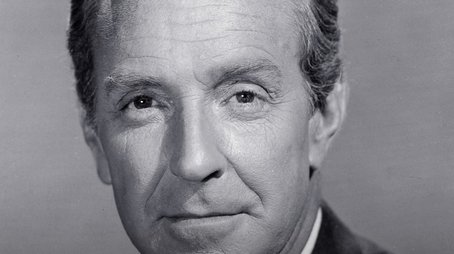
The television show "One Step Beyond," which aired in 1959, does not feature post-credit scenes. Each episode concludes with a brief narration by host John Newland, who often reflects on the story's themes or the nature of the supernatural events depicted. The format of the show is structured to present a self-contained story within each episode, focusing on eerie and mysterious occurrences without additional scenes after the credits. The emphasis is on the narrative and the unsettling atmosphere, leaving viewers with a sense of intrigue as the episode wraps up.
What is the significance of the character John in the episode 'The Dark Room'?
In 'The Dark Room', John is a photographer who becomes obsessed with capturing the perfect image. His internal struggle revolves around his fear of failure and the pressure to succeed in his art. As he develops his photographs, he begins to see disturbing images that reflect his own insecurities and fears, leading to a psychological unraveling that culminates in a haunting revelation.
How does the character of the psychic medium in 'The Vision' influence the plot?
In 'The Vision', the psychic medium serves as a catalyst for the main character, who is skeptical of the supernatural. Her presence challenges his beliefs and forces him to confront his own past traumas. As she reveals insights about his life, the tension builds, leading to a climactic moment where he must decide whether to accept her guidance or reject it, ultimately impacting his fate.
What role does the setting play in the episode 'The Haunted House'?
In 'The Haunted House', the setting of the dilapidated mansion is crucial to the story's atmosphere. The creaking floors, darkened hallways, and eerie silence create a sense of dread that mirrors the characters' escalating fear. As they explore the house, the setting becomes almost a character itself, reflecting their inner turmoil and the haunting past that lingers within its walls.
How does the character of the scientist in 'The Return' grapple with his past?
In 'The Return', the scientist is haunted by the loss of his wife, which drives his obsession with the idea of bringing her back. His internal conflict is palpable as he oscillates between hope and despair, showcasing his desperation to reconnect with her. This emotional struggle is depicted through his frantic experiments and the toll they take on his mental state, ultimately leading to a poignant climax.
What is the impact of the twist ending in 'The Last Man on Earth' on the main character?
In 'The Last Man on Earth', the twist ending reveals that the protagonist's perception of reality has been fundamentally altered. Throughout the episode, he believes he is the sole survivor in a post-apocalyptic world, grappling with loneliness and despair. The revelation at the end shatters his understanding of his situation, forcing him to confront the truth of his existence and the emotional weight of isolation.
Is this family friendly?
"One Step Beyond," produced in 1959, is an anthology series that explores themes of the supernatural and the unexplained. While the show is not overtly graphic or violent, it does delve into eerie and unsettling subject matter that may not be suitable for very young children or sensitive viewers.
Potentially objectionable or upsetting aspects include:
-
Supernatural Themes: Many episodes involve ghostly apparitions, psychic phenomena, and otherworldly experiences that can be frightening or disturbing.
-
Tension and Suspense: The show often builds a sense of dread and suspense, which may be unsettling for younger audiences.
-
Death and Loss: Several stories touch on themes of death, loss, and the afterlife, which could be emotionally heavy for children.
-
Psychological Horror: Some episodes explore the psychological impact of fear and the unknown, which may provoke anxiety in sensitive viewers.
-
Moral Ambiguity: Characters sometimes face moral dilemmas or experience tragic outcomes, which can be thought-provoking but also distressing.
Overall, while "One Step Beyond" is not excessively graphic, its exploration of darker themes and the supernatural may warrant caution for younger or more sensitive viewers.