


Popular
What are the main challenges faced by the characters in the show Family?
How does the character of Nancy evolve throughout the series?
What role does Doug play in the family dynamics?
What significant events impact the relationship between Kate and Doug?
How does Buddy's character contribute to the overall themes of the show?
Should I watch it?
Ask Your Own Question

What is the plot?
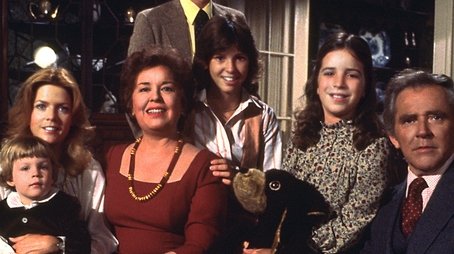
The series "Family," which premiered in 1976, revolves around the lives of the Lawrence family, focusing on the dynamics between the parents, Doug and Kate, and their three children: Nancy, Willie, and Buddy. The show opens with a glimpse into their daily lives, showcasing the challenges and triumphs of a typical American family.
In the pilot episode, the family is introduced as they navigate the complexities of their relationships. Doug, the father, is a hard-working man who often struggles to balance his job and family life. Kate, the mother, is a nurturing figure who tries to keep the family together while dealing with her own aspirations and frustrations. Their eldest daughter, Nancy, is a teenager grappling with the pressures of adolescence, while Willie, the middle child, is a sensitive boy who often feels overshadowed by his siblings. Buddy, the youngest, is a precocious child who brings a sense of innocence to the family dynamic.
As the series progresses, the family faces various challenges that test their bonds. In one significant episode, Nancy becomes involved in a serious relationship with a boy named Jeff. This relationship causes tension between her and her parents, particularly Doug, who is protective of his daughter. The conflict escalates when Nancy decides to spend the night at Jeff's house, leading to a heated argument with Doug. He expresses his concerns about her maturity and the potential consequences of her choices, while Nancy feels misunderstood and stifled.
In another episode, Willie struggles with feelings of inadequacy as he tries to find his place within the family. He becomes envious of Nancy's popularity and Buddy's carefree nature. This internal conflict culminates in a moment where Willie lashes out at Buddy, leading to a physical confrontation. The emotional fallout from this incident forces the family to confront their individual insecurities and the importance of communication.
The series also delves into the theme of loss when the family experiences the death of a close family friend. This event profoundly impacts each member of the Lawrence family, prompting them to reflect on their relationships and the fragility of life. Doug and Kate find themselves at odds as they cope with their grief in different ways. Doug throws himself into work, while Kate seeks solace in her family, leading to a rift between them. The episode highlights the importance of supporting one another during difficult times.
As the seasons progress, the characters evolve, facing new life stages and challenges. Nancy eventually leaves for college, which brings a mix of pride and sadness for Doug and Kate. They must learn to adjust to an empty nest while maintaining their relationship. Meanwhile, Willie and Buddy navigate their own paths, with Willie becoming more confident and Buddy learning to assert himself.
The series concludes with a poignant reflection on family and the enduring bonds that hold them together. The final episodes showcase the characters coming together to celebrate milestones, such as graduations and birthdays, emphasizing the importance of love and support in overcoming life's obstacles. The Lawrence family, despite their struggles, emerges stronger and more united, leaving viewers with a sense of hope and connection.









What is the ending?
In the final episode of the TV show "Family," the characters face significant changes and emotional challenges. The series concludes with a focus on the evolving dynamics within the Lawrence family, particularly as they navigate personal growth and the complexities of their relationships.
As the episode unfolds, we see the family grappling with the impending departure of their eldest daughter, Nancy, who is preparing to leave for college. This transition brings a mix of excitement and anxiety, not only for Nancy but for her parents, Doug and Kate, and her siblings, Willie and Joanie. The emotional weight of this moment is palpable, as each character reflects on their own feelings about change and separation.
In a poignant scene, Nancy shares her hopes and fears about leaving home. She expresses her desire for independence while also acknowledging the comfort and security of her family. Doug and Kate, in turn, struggle with the idea of letting go, revealing their deep love and concern for their daughter's future. The tension in the room is thick, as they all grapple with the bittersweet nature of growing up.
Meanwhile, Willie and Joanie are also dealing with their own issues. Willie, feeling overshadowed by Nancy's accomplishments, seeks validation from his parents. He expresses frustration about being seen as the "little brother" and yearns for recognition of his own talents and aspirations. Joanie, on the other hand, is caught in her own world of teenage angst, navigating her identity and relationships with friends.
As the episode progresses, the family comes together for a final dinner before Nancy leaves. The atmosphere is a mix of celebration and melancholy. They reminisce about shared memories, laughter, and the challenges they have faced together. This scene serves as a powerful reminder of the bonds that hold them together, despite the changes ahead.
In the closing moments, Nancy prepares to leave, and the family gathers for a heartfelt goodbye. Each member expresses their love and support, reinforcing the theme of family unity. As Nancy steps out the door, there is a sense of hope and possibility for her future, but also a lingering sadness for the family dynamic that is shifting.
The series ends with a shot of the empty house, symbolizing the changes that have taken place and the new chapter that lies ahead for each character. Doug and Kate are left to reflect on their roles as parents, while Willie and Joanie begin to understand their own paths in life.
In summary, the ending of "Family" encapsulates the essence of familial love, the challenges of growing up, and the inevitability of change, leaving viewers with a sense of both closure and anticipation for the characters' futures.
Is there a post-credit scene?
The TV show "Family," which aired in 1976, does not feature post-credit scenes. The series, created by Leonard Stern and produced by ABC, focused on the lives of the Lawrence family, exploring their dynamics, struggles, and relationships. Each episode typically concluded with a poignant moment that encapsulated the themes of family and personal growth, but there were no additional scenes or content after the credits rolled. The storytelling was centered around the characters' emotional journeys and the challenges they faced, making the conclusion of each episode impactful without the need for post-credit sequences.
What are the main challenges faced by the characters in the show Family?
The characters in Family face a variety of challenges that test their relationships and personal growth. For instance, the mother, Kate, struggles with the pressures of raising her three children while also dealing with her own aspirations and the complexities of her marriage to Doug. Each child faces their own unique challenges: Nancy, the eldest, grapples with the expectations of adulthood and her desire for independence; Willie, the middle child, deals with the trials of adolescence and his search for identity; and Buddy, the youngest, navigates the innocence of childhood while being influenced by the dynamics of his older siblings. These challenges often lead to emotional confrontations and moments of vulnerability that deepen the family bond.
How does the character of Nancy evolve throughout the series?
Nancy, portrayed as the responsible eldest daughter, undergoes significant evolution throughout the series. Initially, she is depicted as a dutiful daughter who often feels the weight of her family's expectations. As the series progresses, Nancy begins to assert her independence, exploring her own identity and desires, which leads to conflicts with her parents, particularly with her mother, Kate. Her journey includes romantic relationships that challenge her views on love and commitment, and she often finds herself torn between her family obligations and her personal aspirations. This internal struggle is poignantly illustrated in episodes where she must choose between pursuing her dreams and supporting her family during crises.
What role does Doug play in the family dynamics?
Doug, the father, plays a pivotal role in the family dynamics, often serving as the voice of reason amidst the chaos of family life. His character is portrayed as a hardworking man who strives to provide for his family while also trying to maintain a balance between his professional and personal life. Doug's interactions with his wife, Kate, reveal the complexities of their marriage, as they navigate differing parenting styles and personal ambitions. He often finds himself in the position of mediator between his children, especially when conflicts arise, and his attempts to instill values in them are both heartfelt and sometimes met with resistance. Doug's character embodies the struggles of a father trying to connect with his children while also dealing with his own vulnerabilities.
What significant events impact the relationship between Kate and Doug?
Throughout the series, several significant events impact the relationship between Kate and Doug, highlighting the strains of marriage and parenting. One pivotal moment occurs when Kate decides to pursue a career outside the home, which leads to tension as Doug grapples with feelings of inadequacy and the shifting dynamics of their roles. Another critical event is when they face a family crisis, such as a health scare involving one of the children, which forces them to confront their fears and communicate more openly. These moments are often charged with emotional intensity, revealing their deep love for each other but also exposing the cracks in their relationship. The couple's journey through these challenges ultimately serves to strengthen their bond, as they learn to support each other in times of need.
How does Buddy's character contribute to the overall themes of the show?
Buddy, the youngest child, serves as a lens through which the audience can explore the themes of innocence and the complexities of growing up. His character often embodies the curiosity and naivety of childhood, providing a contrast to the more serious issues faced by his older siblings. Buddy's interactions with his family often bring light-hearted moments to the show, but they also highlight the challenges of transitioning from childhood to adolescence. For instance, episodes that focus on Buddy's friendships and school experiences reveal the pressures he faces as he tries to fit in, mirroring the struggles of his siblings. His character's journey reflects the show's overarching themes of family support, love, and the bittersweet nature of growing up, as he learns valuable life lessons through both triumphs and mistakes.
Is this family friendly?
The TV show "Family," produced in 1976, is generally considered to be family-friendly, but it does tackle some serious and mature themes that may be sensitive for children or more sensitive viewers. Here are some aspects that could be potentially objectionable or upsetting:
-
Death and Grief: The show addresses themes of loss and the impact of death on family members, which can be emotionally heavy and difficult for younger viewers to process.
-
Divorce and Family Struggles: The series explores the complexities of family dynamics, including divorce and the challenges that arise from it, which may be unsettling for some.
-
Teenage Issues: The show delves into teenage problems such as peer pressure, identity struggles, and relationships, which may resonate with older children but could be confusing or distressing for younger ones.
-
Mental Health: There are storylines that touch on mental health issues, which can be sensitive topics for some viewers.
-
Conflict and Arguments: Family disagreements and conflicts are depicted, showcasing the emotional turmoil that can arise within a family setting.
While these themes are handled with care and often lead to meaningful resolutions, they may still evoke strong emotions and require parental guidance for younger audiences.