


Popular
What are the main challenges Daniel Boone faces in his adventures?
How does Daniel Boone's relationship with his family influence his decisions?
What role does the character of Mingo play in the series?
How does the character of Yadkin contribute to the plot?
What significant events lead to conflicts with Native American tribes in the series?
Should I watch it?
Ask Your Own Question

What is the plot?
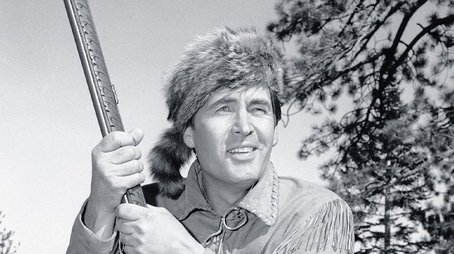
The series "Daniel Boone," which premiered in 1964, follows the adventures of the legendary frontiersman Daniel Boone, played by Fess Parker, as he navigates the challenges of life in the American wilderness during the late 18th century. The show is set against the backdrop of the early American frontier, where Boone, along with his family and friends, faces various threats from Native American tribes, British soldiers, and other settlers.
In the pilot episode, Boone is introduced as a skilled hunter and tracker living in the Kentucky wilderness. He is portrayed as a man of strong moral character, deeply committed to his family and friends. The episode begins with Boone leading a group of settlers through the wilderness to establish a new settlement. As they journey, Boone demonstrates his leadership skills and knowledge of the land, earning the respect of the settlers.
As they approach the settlement site, Boone and his group encounter a band of Native Americans who are initially hostile. Boone attempts to communicate with them, seeking a peaceful resolution. However, tensions escalate when one of the settlers, feeling threatened, draws his weapon. A skirmish ensues, resulting in a chaotic confrontation. Boone, trying to protect both the settlers and the Native Americans, intervenes, urging both sides to stand down. His efforts lead to a temporary truce, allowing the settlers to establish their new home.
In subsequent episodes, Boone faces various challenges, including conflicts with British soldiers who are trying to assert control over the territory. In one notable episode, Boone learns of a British plan to attack a nearby settlement. He gathers a group of local militia to prepare for the impending assault. The tension builds as Boone and his men strategize, showcasing Boone's tactical acumen and his ability to inspire those around him.
The night before the attack, Boone experiences a moment of doubt, questioning whether he can protect his family and friends. He reflects on the sacrifices he has made and the dangers that lie ahead. This internal struggle adds depth to his character, highlighting his commitment to his community and the weight of leadership.
When the British soldiers launch their attack, Boone and his militia are ready. A fierce battle ensues, with gunfire and chaos erupting as both sides clash. Boone leads his men with courage, coordinating their efforts to defend the settlement. The fight is intense, with moments of close combat and strategic maneuvers. Boone's leadership shines as he rallies his men, urging them to hold their ground.
As the battle reaches its climax, Boone faces a critical decision when he spots a group of settlers trapped and in danger. He must choose between continuing to fight the British or risking his own safety to save the settlers. Ultimately, Boone chooses to rescue them, demonstrating his selflessness and dedication to his community. He successfully leads the settlers to safety, but not without sustaining injuries in the process.
In the aftermath of the battle, Boone and his friends assess the damage and mourn their losses. The emotional weight of the conflict is palpable as they come to terms with the realities of frontier life. Boone's resolve is strengthened, and he vows to continue fighting for the safety and freedom of his people.
Throughout the series, Boone's adventures continue, featuring encounters with various historical figures, further conflicts with Native Americans, and the ongoing struggle for survival in the wilderness. Each episode builds on Boone's character, showcasing his bravery, leadership, and unwavering commitment to his family and friends as they navigate the challenges of life on the frontier.









What is the ending?
The ending of the TV show "Daniel Boone," produced in 1964, sees Daniel Boone and his companions successfully thwarting a plot against the settlers, ensuring their safety and the continuation of their way of life. The series concludes with Boone reflecting on his adventures and the importance of family and community.
In a more detailed narrative, the final episode unfolds with a palpable tension in the air as Daniel Boone, portrayed by Fess Parker, gathers his friends and family in the clearing near their settlement. The sun is setting, casting a warm golden hue over the landscape, but the atmosphere is charged with uncertainty. Boone, ever the protector, senses that trouble is brewing as rumors of a hostile tribe planning an attack circulate among the settlers.
Scene 1: The Gathering As the episode opens, Boone stands tall, his rugged features etched with concern. He addresses the settlers, urging them to prepare for the worst while maintaining hope. His voice is steady, but there's an underlying urgency that reflects his deep-seated commitment to their safety. The settlers, a mix of men, women, and children, listen intently, their faces a blend of fear and determination. Boone's wife, Rebecca, stands by his side, her expression a mixture of pride and worry for her husband's safety.
Scene 2: The Plan Boone convenes a meeting with his closest allies, including the loyal and spirited Mingo, a Native American friend who understands the complexities of the tensions between settlers and tribes. Mingo's presence adds depth to the gathering, as he shares insights about the potential threat. The camaraderie among the men is palpable, with Boone's leadership shining through as he devises a plan to protect their home. The stakes are high, and Boone's resolve is unwavering; he knows that failure could mean disaster for his family and friends.
Scene 3: The Confrontation As night falls, Boone and his companions set out to confront the hostile tribe. The forest is alive with the sounds of nature, but the tension is thick as they navigate through the shadows. Boone's heart races, not just from the thrill of the hunt but from the weight of responsibility he carries for those he loves. The group approaches the enemy camp, and Boone's instincts kick in. He signals for silence, and they observe the enemy's movements, strategizing their next steps.
Scene 4: The Battle The confrontation erupts into chaos as Boone and his men engage in a fierce battle with the hostile tribe. The clash of weapons and the shouts of men fill the air, creating a cacophony of conflict. Boone fights valiantly, his determination fueled by the thought of his family's safety. Mingo displays his agility and skill, moving with grace and precision, while Boone's other allies show their bravery in the face of danger. The struggle is intense, and the stakes are life and death.
Scene 5: Resolution As dawn breaks, the battle reaches its climax. Boone, with a fierce resolve, manages to outmaneuver the enemy leader, ultimately leading to a decisive victory for the settlers. The remaining hostile warriors retreat, and Boone's group stands victorious, though weary and battered. The sun rises, illuminating the aftermath of the conflict, and Boone takes a moment to reflect on the cost of their victory. He looks around at his friends and family, their faces a mix of relief and exhaustion.
Scene 6: The Aftermath In the final moments of the episode, Boone returns to the settlement, where the community gathers to celebrate their survival. There is a sense of unity and resilience among the settlers, and Boone's leadership is acknowledged with gratitude. He embraces Rebecca, their bond stronger than ever after facing such peril. The camera pans out, capturing the peaceful landscape that Boone fought to protect, symbolizing hope and the enduring spirit of the frontier.
As the credits roll, viewers are left with a sense of closure, knowing that Boone's adventures may have come to an end, but his legacy of bravery, family, and community will continue to resonate in the hearts of those he protected. Each character, from Boone to Mingo, has played a crucial role in the resolution of the conflict, showcasing their strengths and the importance of standing together in the face of adversity.
Is there a post-credit scene?
The television show "Daniel Boone," which aired from 1964 to 1970, did not feature post-credit scenes as part of its format. Each episode typically concluded with a final scene that wrapped up the story, followed by the credits. The focus was primarily on the narrative of the episode itself, showcasing the adventures of Daniel Boone and his interactions with various characters, including his family, friends, and Native Americans. The storytelling was straightforward, emphasizing the themes of exploration, survival, and the spirit of the American frontier. Therefore, there are no post-credit scenes to describe.
What are the main challenges Daniel Boone faces in his adventures?
Throughout the series, Daniel Boone faces numerous challenges, including encounters with hostile Native American tribes, treacherous wilderness conditions, and the constant threat of wild animals. His determination to protect his family and the settlers in the Kentucky territory drives him to confront these dangers head-on, showcasing his bravery and resourcefulness.
How does Daniel Boone's relationship with his family influence his decisions?
Daniel Boone's relationship with his family, particularly with his wife Rebecca and their children, deeply influences his decisions. He often weighs the risks of his adventures against the safety and well-being of his loved ones. His protective nature leads him to make sacrifices, such as venturing into dangerous territories to secure their future and ensure their safety.
What role does the character of Mingo play in the series?
Mingo, a Native American character, serves as both a friend and ally to Daniel Boone. His character is significant as he often acts as a bridge between the settlers and Native Americans, showcasing the complexities of their relationships. Mingo's wisdom and knowledge of the land provide crucial support to Boone, while also highlighting themes of friendship and understanding across cultural divides.
How does the character of Yadkin contribute to the plot?
Yadkin, a humorous and somewhat bumbling character, often provides comic relief in the series. His antics and misadventures contrast with the more serious undertones of Boone's quests. Despite his clumsiness, Yadkin's loyalty to Boone and his willingness to assist in dangerous situations add depth to the narrative, illustrating the importance of camaraderie in the face of adversity.
What significant events lead to conflicts with Native American tribes in the series?
Significant events that lead to conflicts with Native American tribes include land disputes, misunderstandings, and the encroachment of settlers into traditional territories. Episodes often depict Boone's attempts to negotiate peace, but tensions escalate due to the settlers' actions and the differing perspectives on land ownership. These conflicts serve as pivotal moments that test Boone's diplomacy and resolve.
Is this family friendly?
The TV show "Daniel Boone," which aired from 1964 to 1970, is generally considered family-friendly, but it does contain some elements that may be potentially objectionable or upsetting for children or sensitive viewers. Here are a few aspects to consider:
-
Violence and Conflict: The series often depicts conflicts between settlers and Native Americans, which can include scenes of skirmishes, battles, and the aftermath of violence. While not graphic, these moments may be intense for younger viewers.
-
Themes of Survival: The show frequently explores themes of survival in the wilderness, which can involve perilous situations, such as encounters with wild animals or treacherous weather conditions. These scenarios may evoke fear or anxiety.
-
Death and Loss: Characters occasionally face loss, whether through death or separation, which can be emotionally charged and may resonate deeply with sensitive viewers.
-
Cultural Representation: The portrayal of Native Americans may reflect stereotypes or simplistic views of complex cultures, which could be problematic for modern audiences. Some scenes may not align with contemporary understandings of cultural sensitivity.
-
Moral Dilemmas: Characters often face moral choices that can lead to tension and conflict, which might be challenging for younger viewers to process.
Overall, while "Daniel Boone" is designed for a family audience, parents may want to preview episodes to gauge their suitability for their children, especially regarding the emotional and thematic content.