
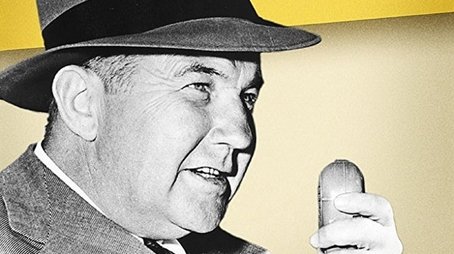


Popular
What are some notable cases that Officer Dan Mathews investigates in Highway Patrol?
How does Officer Mathews handle confrontations with criminals in the series?
What role does the Highway Patrol team play in supporting Officer Mathews?
What are some of the moral dilemmas faced by Officer Mathews in the series?
How does the series portray the dangers of highway driving?
Should I watch it?
Ask Your Own Question

What is the plot?
In the pilot episode of "Highway Patrol," we are introduced to the main character, Chief Dan Mathews, who is portrayed as a dedicated and tough highway patrol officer. The episode opens with a dramatic scene on a busy highway where a reckless driver is speeding and weaving in and out of traffic, causing chaos. Mathews receives a radio call about the situation and immediately sets out to intercept the vehicle.
As Mathews drives along the highway, he spots the speeding car and begins to pursue it. The driver, a young man named Johnny, is clearly panicking and tries to evade capture by accelerating even more. The tension builds as Mathews expertly maneuvers his patrol car, staying close behind Johnny while radioing for backup. The chase escalates, with Johnny making dangerous turns and nearly colliding with other vehicles.
Eventually, Johnny loses control of his car and crashes into a ditch. Mathews quickly exits his vehicle and approaches the wreckage cautiously, aware that Johnny may be injured or attempting to flee. As he reaches the car, he finds Johnny unconscious but alive. Mathews calls for an ambulance and begins to assess the situation, showing his concern for the young man's well-being despite the reckless behavior that led to the crash.
While waiting for the ambulance, Mathews learns from Johnny's wallet that he is a troubled youth with a history of delinquency. This revelation adds complexity to Mathews' character, as he reflects on the challenges facing young people and the choices they make. He feels a sense of responsibility not just to enforce the law but to understand the underlying issues that lead to such reckless behavior.
After Johnny is taken to the hospital, Mathews visits him to discuss the incident. Johnny, now awake, expresses remorse for his actions but also reveals that he was running away from home due to family problems. Mathews listens intently, showing empathy and understanding. He shares his own experiences, trying to connect with Johnny and encourage him to make better choices in the future.
The episode takes a turn when Mathews discovers that Johnny's reckless driving was not just a random act but was influenced by a gang that had been pressuring him to participate in illegal activities. Mathews decides to investigate further, determined to uncover the gang's operations and protect other young people from falling into the same trap.
Mathews gathers his team and begins to track down leads on the gang. They conduct surveillance and gather intelligence, leading to a tense confrontation with the gang members. The stakes are high as Mathews and his team prepare to confront the gang in a showdown that could put their lives at risk.
In a climactic scene, Mathews and his team raid the gang's hideout. The action is intense, with a series of confrontations between the highway patrol officers and the gang members. Mathews demonstrates his leadership and bravery, coordinating his team effectively while also showing concern for their safety. The gang members fight back, leading to a chaotic and dangerous situation.
Ultimately, Mathews and his team manage to apprehend the gang members, bringing them to justice. The episode concludes with Mathews reflecting on the events that transpired, feeling a sense of accomplishment but also recognizing the ongoing challenges of youth crime and the importance of mentorship. He resolves to continue his work with the highway patrol, committed to making the roads safer and helping young people like Johnny find a better path.









What is the ending?
In the ending of the 1955 TV show "Highway Patrol," the episode concludes with the capture of the criminals after a tense chase. The main character, Officer Dan Mathews, successfully apprehends the suspects, ensuring the safety of the public. The episode wraps up with a sense of justice served, as Mathews reflects on the dangers of the highway and the importance of law enforcement.
Expanding on this, the final scenes unfold with a palpable tension in the air. Officer Dan Mathews, portrayed with a steadfast demeanor, receives a radio call about a robbery in progress. The urgency in his voice is evident as he speeds down the highway, the sirens blaring, cutting through the stillness of the afternoon. The camera captures the determination etched on his face, a man committed to his duty, aware of the risks that lie ahead.
As Mathews approaches the scene, he spots the getaway vehicle--a sleek, stolen car weaving dangerously through traffic. The driver, a desperate criminal, is visibly agitated, glancing nervously in the rearview mirror. The stakes are high; innocent lives are at risk, and Mathews knows he must act swiftly. The chase begins, and the tension escalates as the criminals attempt to evade capture, swerving recklessly, narrowly missing other vehicles.
The scene shifts to a crowded highway, where the chaos of the chase unfolds. Mathews maneuvers his patrol car with precision, his focus unwavering. The camera captures the intensity of the moment, the roar of engines, the screech of tires, and the anxious expressions of bystanders. Mathews' internal conflict is palpable; he is not just pursuing criminals but also protecting the lives of those caught in the crossfire.
As the chase reaches its climax, the criminals make a desperate move, attempting to escape into a secluded area. Mathews, undeterred, follows closely, his resolve stronger than ever. The tension peaks as they reach a dead end, and the criminals realize their options are dwindling. In a final act of defiance, they attempt to flee on foot, but Mathews is ready. He confronts them, his authoritative presence commanding respect.
The capture is swift and decisive. Mathews, with a mix of relief and satisfaction, apprehends the criminals, ensuring they are handcuffed and secured. The camera lingers on his face, revealing a blend of exhaustion and triumph. He knows the dangers of the highway, but in this moment, justice has prevailed.
As the episode concludes, Mathews stands by his patrol car, watching as the criminals are taken away. The sun sets in the background, casting a warm glow over the scene. He reflects on the day's events, the weight of his responsibilities evident in his posture. The final shot captures him looking out over the highway, a silent promise to continue protecting the public, embodying the spirit of law enforcement.
In this ending, Officer Dan Mathews emerges as a steadfast guardian of the highway, his commitment to justice unwavering. The criminals face the consequences of their actions, serving as a reminder of the law's reach. The episode closes with a sense of closure, highlighting the ongoing battle between law enforcement and those who threaten public safety.
Is there a post-credit scene?
The television show "Highway Patrol," which aired in 1955, did not feature post-credit scenes. Each episode typically concluded with a brief wrap-up or moral lesson delivered by the show's star, Broderick Crawford, who played the role of Chief Dan Mathews. These conclusions often emphasized the importance of road safety and the consequences of reckless driving, but they were integrated into the episode's narrative rather than presented as a separate post-credit scene. The format focused on the storylines of the episodes themselves, which revolved around various traffic-related incidents and the challenges faced by law enforcement on the highways.
What are some notable cases that Officer Dan Mathews investigates in Highway Patrol?
In 'Highway Patrol', Officer Dan Mathews, portrayed by Broderick Crawford, investigates a variety of cases that highlight the dangers of the open road. One notable case involves a reckless driver who causes a series of accidents, prompting Mathews to track him down before more lives are lost. Another significant plot revolves around a stolen vehicle ring, where Mathews must navigate through a web of deceit to recover the cars and apprehend the criminals. Each case showcases Mathews' dedication to his duty and his relentless pursuit of justice.
How does Officer Mathews handle confrontations with criminals in the series?
Officer Dan Mathews often finds himself in tense confrontations with criminals throughout 'Highway Patrol'. In one episode, he faces off against a gang of car thieves who are armed and dangerous. Mathews approaches the situation with a mix of authority and calm, using his experience to negotiate and de-escalate the tension. His internal motivation is driven by a strong sense of responsibility to protect the public, which often leads him to take calculated risks to ensure safety, even when his own life is on the line.
What role does the Highway Patrol team play in supporting Officer Mathews?
The Highway Patrol team serves as a crucial support system for Officer Dan Mathews in 'Highway Patrol'. Each member brings unique skills to the table, whether it's providing backup during high-stakes chases or gathering intelligence on suspects. In one episode, Mathews relies on his partner to track down a suspect's vehicle using radio communication, showcasing the teamwork and camaraderie that exists within the patrol. This dynamic not only highlights the importance of collaboration in law enforcement but also deepens the emotional stakes for Mathews, who often feels the weight of his team's safety on his shoulders.
What are some of the moral dilemmas faced by Officer Mathews in the series?
Throughout 'Highway Patrol', Officer Dan Mathews encounters several moral dilemmas that challenge his principles. In one episode, he must decide whether to pursue a suspect who is fleeing after a minor traffic violation, knowing that the chase could endanger innocent bystanders. Mathews grapples with the consequences of his choices, reflecting on his duty to uphold the law versus the potential harm his actions could cause. This internal conflict adds depth to his character, revealing his commitment to justice while also showcasing his humanity and empathy.
How does the series portray the dangers of highway driving?
The series 'Highway Patrol' vividly portrays the dangers of highway driving through dramatic reenactments of accidents and reckless behavior. In various episodes, viewers witness high-speed chases, collisions, and the aftermath of careless driving. One particularly gripping scene involves a multi-car pileup caused by a driver under the influence, which serves as a stark reminder of the consequences of such actions. The emotional weight of these incidents is palpable, as Officer Mathews often arrives on the scene to provide aid, reflecting the urgency and gravity of his role in promoting road safety.
Is this family friendly?
"Highway Patrol," produced in 1955, is generally considered family-friendly, but it does contain some elements that may be unsettling for children or sensitive viewers.
-
Car Chases and Crashes: The show features intense car chases that can be thrilling but may also be alarming due to the potential for accidents and the portrayal of reckless driving.
-
Criminal Activity: Episodes often revolve around criminal behavior, including theft, robbery, and other illegal activities, which may be distressing for younger viewers.
-
Confrontations: There are scenes involving confrontations between law enforcement and suspects, which can include tense moments and the threat of violence.
-
Emotional Distress: Some characters may experience fear, anxiety, or distress due to their situations, which could resonate with sensitive viewers.
-
Moral Dilemmas: The show sometimes presents moral questions about justice and law enforcement that may be complex for younger audiences to fully grasp.
While the series aims to depict the work of highway patrol officers in a heroic light, these elements could be considered objectionable or upsetting depending on the viewer's age and sensitivity.