


Popular
What are the main abilities and gadgets of El Chapulín Colorado?
Who are the recurring villains that El Chapulín Colorado faces?
What is the significance of the character 'La Chimoltrufia' in the series?
How does El Chapulín Colorado's personality affect his interactions with other characters?
What are some memorable episodes that showcase El Chapulín Colorado's heroism?
Should I watch it?
Ask Your Own Question

What is the plot?
In the first episode of "El Chapulín Colorado," we are introduced to the titular character, a bumbling yet well-meaning superhero, portrayed by Roberto Gómez Bolaños. The scene opens in a bustling city where chaos reigns as a villain, known as "El Chómpiras," is causing trouble. The citizens are in distress, and the camera pans to show their worried faces. As the villain threatens a group of innocent people, the call for help echoes through the streets.
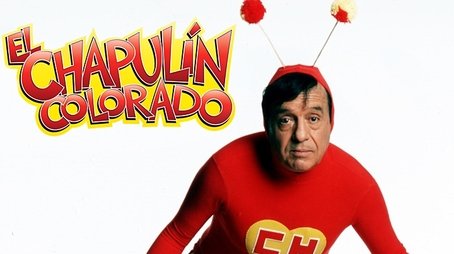
Suddenly, a loud horn sounds, and El Chapulín Colorado arrives on the scene, clad in his signature red suit and yellow heart emblem. He strikes a heroic pose, but his entrance is clumsy, and he trips over his own feet, causing a mix of laughter and concern among the onlookers. Despite his awkwardness, he confidently declares that he is there to save the day. The citizens express skepticism about his abilities, but he reassures them with his catchphrase, "No contaban con mi astucia!" (They didn't count on my cleverness!).
As the confrontation begins, El Chapulín attempts to confront El Chómpiras, but his lack of physical prowess leads to a series of comedic missteps. He tries to use his "chipote chillón," a magical hammer, but ends up accidentally hitting himself instead. The villain takes advantage of this distraction and escapes, leaving El Chapulín frustrated but determined to catch him.
The scene shifts to a dark alley where El Chómpiras is plotting his next move with his accomplice. They discuss their plan to rob a nearby bank, and the tension builds as they prepare for the heist. Meanwhile, El Chapulín, having overheard their conversation, decides to follow them, believing he can thwart their plans. He sneaks through the shadows, but his clumsiness causes him to knock over a trash can, alerting the villains to his presence.
In a comedic chase sequence, El Chapulín tries to catch up with El Chómpiras and his accomplice. He runs with exaggerated movements, his cape flapping behind him, but he struggles to keep up. The villains, noticing him, decide to confront him. El Chapulín, feeling the pressure, musters his courage and challenges them to a fight. However, his attempts at bravado are undermined by his own clumsiness, leading to a series of slapstick moments where he accidentally knocks out one of the villains while trying to dodge an attack.
As the fight continues, El Chapulín uses his "superpowers," which include the ability to jump high and his quick thinking, to outsmart the villains. He devises a plan to trap them by using a nearby dumpster as a makeshift barricade. With a combination of luck and his trusty chipote chillón, he manages to corner El Chómpiras and his accomplice, who are now visibly panicked.
In the climax of the episode, El Chapulín confronts El Chómpiras directly. The villain, realizing he is outmatched, tries to negotiate his escape, but El Chapulín, with a newfound confidence, refuses to let him go. He delivers a heartfelt speech about the importance of justice and helping others, which momentarily confuses El Chómpiras. Seizing the opportunity, El Chapulín swings his chipote chillón, knocking the villain's weapon out of his hand and securing his victory.
The episode concludes with the police arriving to apprehend El Chómpiras and his accomplice. The citizens, who had initially doubted El Chapulín, now cheer for him, recognizing his bravery despite his clumsiness. El Chapulín, basking in their admiration, strikes another heroic pose, albeit with a slight wobble, and promises to always be there to help those in need. The screen fades to black as the theme music plays, leaving the audience with a sense of joy and laughter.









What is the ending?
In the ending of "El Chapulín Colorado," the titular character, played by Roberto Gómez Bolaños, successfully thwarts the villain's plans, saving the day once again. The episode concludes with a humorous twist, as Chapulín's clumsiness leads to an unexpected resolution, leaving the characters in a state of relief and gratitude.
As the episode unfolds towards its conclusion, we find ourselves in a dimly lit warehouse where the villain, a nefarious character with a sinister plan, has captured the innocent townsfolk. The tension is palpable as the villain boasts about his impending victory, reveling in the chaos he has created. The camera pans to the frightened faces of the captives, their eyes wide with fear, and their bodies trembling in anticipation of what is to come.
Suddenly, the doors burst open, and in strides El Chapulín Colorado, clad in his iconic red suit and yellow heart emblem. His entrance is met with a mix of hope and skepticism from the captives. They remember his past blunders but cling to the hope that he will save them. Chapulín, with his signature catchphrases, reassures them, "No contaban con mi astucia!" (They didn't count on my cleverness!).
As he confronts the villain, the tension escalates. The villain, confident in his power, underestimates Chapulín. A series of comedic misadventures ensue as Chapulín attempts to outsmart the villain. He fumbles with his gadgets, accidentally activating them at the wrong moments, which leads to slapstick humor. The villain, initially amused, soon realizes that Chapulín's unpredictability makes him a formidable opponent.
In a climactic moment, Chapulín accidentally triggers a trap that ensnares the villain, turning the tables. The captives cheer as the villain struggles to escape, but his efforts are in vain. Chapulín, with a triumphant smile, declares victory, and the captives rush to thank him, their fear replaced with joy and relief.
As the episode wraps up, we see the townsfolk celebrating their freedom. They express their gratitude to Chapulín, who, despite his clumsiness, has once again proven to be their unlikely hero. The camera zooms in on Chapulín, who, with a humble grin, responds, "No hay de qué" (It's nothing).
In the final scene, as the townsfolk disperse, Chapulín walks away, his head held high, but not without tripping over his own feet, leading to laughter from the audience. The screen fades to black, leaving viewers with a sense of joy and the reminder that even the most unlikely heroes can make a difference, no matter how clumsy they may be.
The fate of the main characters is clear: the villain is captured and defeated, the townsfolk are liberated and grateful, and El Chapulín Colorado continues his journey as a beloved, albeit bumbling, hero.
Is there a post-credit scene?
In the 1973 television show "El Chapulín Colorado," there are no post-credit scenes as commonly understood in modern television. The episodes typically conclude with a final comedic moment or a catchphrase from the titular character, El Chapulín Colorado, played by Roberto Gómez Bolaños.
The show often ends with El Chapulín delivering a humorous line or a moral lesson, followed by a comedic twist that encapsulates the episode's theme. The character's signature phrases, such as "¡No contaban con mi astucia!" (They didn't count on my cleverness!) or "¡Síganme los buenos!" (Good people, follow me!), serve to reinforce his role as a bumbling yet well-meaning hero.
The closing moments are designed to leave the audience with a sense of joy and laughter, rather than a traditional post-credit scene that teases future events or storylines. Each episode wraps up neatly, allowing viewers to reflect on the humor and the lessons learned without the expectation of additional content after the credits.
What are the main abilities and gadgets of El Chapulín Colorado?
El Chapulín Colorado, portrayed by Roberto Gómez Bolaños, possesses several unique abilities and gadgets that aid him in his adventures. His most notable gadget is the 'Chipote Chillón,' a red hammer that he uses to fight villains and solve problems. He also has the 'Chicharrón' (a type of whistle) that he uses to summon help, and his 'Antennas of the Good' that allow him to detect danger. His catchphrase, 'No contaban con mi astucia!' (They didn't count on my cleverness!), reflects his confidence in overcoming challenges, despite often being clumsy.
Who are the recurring villains that El Chapulín Colorado faces?
Throughout the series, El Chapulín Colorado encounters a variety of recurring villains, each with distinct characteristics. Notable among them is 'El Chómpiras,' a comical thief who often finds himself in absurd situations. Another frequent antagonist is 'La Llorona,' a ghostly figure who embodies fear and mystery. Additionally, 'El Doctor Chapatín' serves as a humorous foil, often creating chaos with his misguided inventions. These villains contribute to the comedic and adventurous tone of the series.
What is the significance of the character 'La Chimoltrufia' in the series?
La Chimoltrufia, played by Florinda Meza, is a significant character in 'El Chapulín Colorado.' She often serves as a love interest for El Chapulín and provides comic relief with her quirky personality and misunderstandings. Her interactions with El Chapulín highlight his heroic yet bumbling nature, as she frequently misinterprets his intentions. La Chimoltrufia's character adds depth to the narrative, showcasing themes of love and friendship amidst the comedic chaos.
How does El Chapulín Colorado's personality affect his interactions with other characters?
El Chapulín Colorado's personality is characterized by his bravery, clumsiness, and unwavering optimism. His tendency to misinterpret situations often leads to humorous misunderstandings with other characters, including villains and allies. For instance, his overconfidence can result in him inadvertently complicating situations, yet his genuine desire to help others ultimately shines through. This blend of heroism and folly creates a dynamic where he inspires both laughter and admiration from those around him.
What are some memorable episodes that showcase El Chapulín Colorado's heroism?
Several episodes of 'El Chapulín Colorado' stand out for their portrayal of the titular hero's bravery and cleverness. One memorable episode features El Chapulín rescuing a group of children trapped in a burning building, showcasing his quick thinking and resourcefulness. Another episode involves him thwarting a villain's plan to steal a valuable artifact, where his antics lead to unexpected yet effective solutions. These episodes highlight his commitment to justice, despite his frequent blunders, and reinforce his status as a beloved hero.
Is this family friendly?
"El Chapulín Colorado," produced in 1973, is generally considered a family-friendly show. It features humor that appeals to both children and adults, with its lighthearted approach to superhero themes. However, there are a few aspects that might be considered objectionable or upsetting for some children or sensitive viewers:
-
Mild Violence: The show includes slapstick comedy and exaggerated fight scenes, where characters may get hit or fall in humorous ways. While not graphic, some children might find these scenes unsettling.
-
Scary Characters: Certain episodes feature villains or antagonists that may appear frightening to younger viewers, such as those dressed in costumes or with exaggerated features.
-
Emotional Situations: Some plots involve characters in distress or facing danger, which could evoke feelings of fear or anxiety, especially in younger children.
-
Misunderstandings and Conflicts: The show often revolves around misunderstandings that lead to comedic situations, which might be confusing for very young viewers who may not grasp the humor.
Overall, while "El Chapulín Colorado" is designed to entertain and amuse, parents may want to preview episodes to ensure they align with their children's sensitivities.