
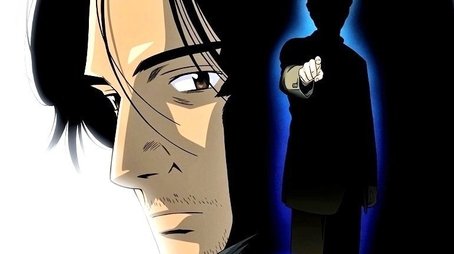


Popular
What is the significance of Johan Liebert's character in the story?
How does Dr. Kenzo Tenma's moral dilemma drive the plot?
What role does Nina Fortner play in the story?
How does the character of Inspector Lunge contribute to the tension in the story?
What is the impact of the 'Monster' theme on the characters' development?
Should I watch it?
Ask Your Own Question

What is the plot?
In the year 1986, Dr. Kenzo Tenma, a talented Japanese neurosurgeon working in Germany, is faced with a moral dilemma. He is engaged to a beautiful but self-centered woman named Eva Heinemann, who is the daughter of the hospital director, Dr. Heinemann. One night, Tenma is scheduled to perform surgery on a prominent politician, but when a young boy named Johan Liebert is brought in after a gunshot wound, Tenma decides to operate on Johan instead, believing that saving the boy's life is more important. This decision angers Dr. Heinemann, who is furious that Tenma has jeopardized his career for a mere child.
After the surgery, Johan survives, but the politician dies on the operating table. Tenma's career suffers as a result, and he is demoted. Meanwhile, Johan's twin sister, Nina, is introduced, and it becomes clear that she has a troubled past. Years later, in 1995, Tenma is still haunted by his decision and the consequences that followed. He is now a respected surgeon but feels trapped in his life and relationship with Eva, who is manipulative and controlling.
As the story unfolds, a series of murders occur, and it becomes evident that Johan is involved. He has grown into a charismatic yet deeply disturbed individual, capable of manipulating those around him. Tenma learns that Johan is responsible for the deaths of several people, including those connected to his past. This revelation drives Tenma to take action, and he decides to leave his life behind to find Johan and stop him.
Tenma's journey leads him to various locations across Europe, where he encounters different characters who have been affected by Johan's actions. He meets a young woman named Nina, who is searching for her brother and is unaware of Johan's true nature. As they travel together, Tenma and Nina develop a bond, and she begins to trust him. However, Johan is always one step ahead, orchestrating events from the shadows.
In a pivotal moment, Tenma discovers that Johan has been manipulating Nina's memories, causing her to question her own identity. This revelation deepens Tenma's resolve to confront Johan and protect Nina. They eventually find themselves in a confrontation with Johan, who reveals his twisted philosophy about life and death. Johan's calm demeanor contrasts sharply with the chaos he has caused, and Tenma realizes the extent of Johan's psychological manipulation.
As the story progresses, Tenma's past catches up with him. He is pursued by law enforcement, who believe he is responsible for the murders linked to Johan. Tenma must navigate this dangerous situation while trying to save Nina and stop Johan. The tension escalates as Tenma's moral compass is tested, and he grapples with the consequences of his past decisions.
In a climactic encounter, Tenma finally confronts Johan in a secluded location. The confrontation is intense, with Johan taunting Tenma about his failures and the lives he has destroyed. Tenma, fueled by a mix of anger and desperation, struggles to maintain his composure. The scene is fraught with emotional weight as Tenma reflects on the choices that led him to this moment.
Ultimately, Tenma's determination to save Nina and stop Johan culminates in a dramatic showdown. The confrontation reveals the depths of Johan's depravity and the impact of his actions on those around him. In a final act of defiance, Tenma makes a choice that will change the course of his life forever, leading to a resolution that ties together the complex threads of the narrative.
The series concludes with Tenma's journey coming full circle. He has faced the darkness of his past and the consequences of his decisions. The emotional weight of the story lingers as Tenma seeks redemption and a chance to rebuild his life, leaving behind the shadows of Johan's influence. The final scenes encapsulate the themes of morality, identity, and the struggle between good and evil, leaving a lasting impression on the viewer.








What is the ending?
In the ending of the TV show "Monster," Dr. Kenzo Tenma confronts Johan Liebert, the series' antagonist, in a final showdown. The story culminates in a tense confrontation where Tenma must grapple with his moral choices and the consequences of his actions. Ultimately, Johan's fate is sealed, and Tenma finds a sense of closure, having come to terms with his past and the lives affected by Johan's actions.
As the final episodes unfold, we see Dr. Kenzo Tenma, a once-prominent neurosurgeon, now deeply entangled in a web of moral dilemmas and the haunting presence of Johan Liebert, a sociopathic killer. The narrative begins to tighten around Tenma as he pursues Johan, who has left a trail of destruction across Europe.
In the first scene of the finale, Tenma is in a dimly lit room, reflecting on the choices he made years ago when he saved Johan's life instead of a prominent politician. The weight of that decision hangs heavily on him, and he is haunted by the lives lost due to Johan's actions. His internal struggle is palpable; he feels responsible for the chaos that has ensued.
The scene shifts to Johan, who is now in a secluded location, embodying the chaos he has sown. He is calm, almost eerily so, as he prepares for his final confrontation with Tenma. Johan's demeanor is chilling, showcasing his complete detachment from humanity. He is a puppet master, reveling in the fear and destruction he has caused.
As Tenma tracks Johan down, he is accompanied by Nina Fortner, Johan's twin sister, who has her own emotional journey. Nina is torn between her desire for revenge and her need for closure. The tension between her and Tenma is palpable; they share a bond forged through trauma, yet their motivations diverge.
In a pivotal scene, Tenma and Nina confront Johan in an abandoned building. The atmosphere is thick with tension as they face the embodiment of their nightmares. Johan taunts them, revealing his twisted philosophy on life and death. He believes he is above morality, a god-like figure who can dictate the fate of others.
As the confrontation escalates, Tenma's resolve strengthens. He realizes that he must stop Johan not just for his own sake but for the countless victims who have suffered because of him. In a moment of clarity, Tenma confronts Johan, expressing his determination to end the cycle of violence.
The climax reaches its peak when Johan, cornered and desperate, attempts to manipulate Tenma and Nina one last time. However, Tenma's unwavering conviction shines through. He refuses to be swayed by Johan's mind games. In a tense standoff, Tenma ultimately makes the choice to save Nina, prioritizing her life over his own vendetta against Johan.
In the final moments, Johan's fate is sealed as he faces the consequences of his actions. The series leaves viewers with a haunting image of Johan, a reflection of the darkness within humanity. Meanwhile, Tenma and Nina emerge from the confrontation changed, carrying the weight of their experiences but also a sense of hope for the future.
As the series concludes, Tenma finds a semblance of peace, having come to terms with his past. He understands that while he cannot change what has happened, he can choose to live a life dedicated to saving others, honoring the lives lost along the way. Nina, too, begins to heal, finding strength in her brother's defeat and the possibility of a new beginning.
In summary, the fates of the main characters are intertwined in this final act: Tenma emerges as a man transformed, committed to his ideals; Johan meets his end, a tragic figure consumed by his own darkness; and Nina steps into a new chapter of her life, seeking to reclaim her identity beyond the shadow of her brother. The series closes on a note of reflection, emphasizing the complexities of morality, choice, and the enduring impact of trauma.
Is there a post-credit scene?
The TV show "Monster," produced in 2004, does not feature any post-credit scenes. The series concludes its narrative within the episodes themselves, focusing on the intricate and often dark storylines surrounding the characters, particularly Dr. Kenzo Tenma and the enigmatic Johan Liebert. Each episode wraps up its plot without additional scenes after the credits, maintaining a consistent pacing and tone throughout the series. The emotional weight and tension are contained within the episodes, leaving viewers to reflect on the complex themes of morality, identity, and the nature of evil as the credits roll.
What is the significance of Johan Liebert's character in the story?
Johan Liebert is the central antagonist of 'Monster,' embodying the themes of evil and the nature of humanity. His character is marked by a chilling calmness and an uncanny ability to manipulate those around him. As a child, he was subjected to horrific experiments that stripped away his humanity, leading him to become a sociopathic killer. His motivations are complex; he seeks to create chaos and destruction, often testing the limits of those who encounter him, including Dr. Kenzo Tenma, who becomes obsessed with stopping him.
How does Dr. Kenzo Tenma's moral dilemma drive the plot?
Dr. Kenzo Tenma, a skilled neurosurgeon, faces a profound moral dilemma when he chooses to save the life of a young Johan Liebert over a prominent politician. This decision sets off a chain of events that leads to Johan becoming a serial killer. Tenma's internal conflict between his Hippocratic oath and the consequences of his choice propels the narrative, as he becomes a fugitive, determined to rectify his mistake by hunting down Johan. His journey is fraught with emotional turmoil, guilt, and a quest for redemption.
What role does Nina Fortner play in the story?
Nina Fortner, also known as Anna Liebert, is a pivotal character whose past is intricately linked to Johan. Initially introduced as a victim of Johan's manipulations, she gradually becomes a key figure in the narrative. Nina's struggle with her identity and her traumatic memories of her childhood create a deep emotional resonance. As she uncovers the truth about her brother Johan, her character evolves from a frightened young woman into someone who confronts her past, ultimately seeking to stop Johan and understand the darkness that surrounds her family.
How does the character of Inspector Lunge contribute to the tension in the story?
Inspector Lunge is a relentless detective obsessed with capturing Dr. Tenma, whom he believes to be the true monster behind the murders attributed to Johan. His dogged pursuit of Tenma adds a layer of tension and urgency to the plot. Lunge's character is driven by a strong sense of justice, but his single-mindedness often blinds him to the truth. His interactions with Tenma are fraught with psychological tension, as Lunge's unwavering belief in Tenma's guilt contrasts sharply with Tenma's desperate quest for redemption.
What is the impact of the 'Monster' theme on the characters' development?
The theme of the 'Monster' manifests in various characters, particularly in how they confront their own darkness and the monsters within themselves. Characters like Tenma, Johan, and Nina grapple with their identities and moral choices, leading to profound character development. Tenma's journey from a respected doctor to a fugitive reflects his internal struggle with guilt and responsibility. Johan's transformation from a child into a cold-blooded killer raises questions about nature versus nurture, while Nina's evolution from victim to a proactive force against Johan highlights the theme of confronting one's past. Each character's development is intricately tied to their understanding of what it means to be a monster.
Is this family friendly?
"Monster," produced in 2004, is a psychological thriller that delves into dark themes and complex character studies. While it is a critically acclaimed series, it is not considered family-friendly due to its mature content.
Potentially objectionable or upsetting aspects include:
-
Violence and Murder: The series involves graphic depictions of violence, including murder scenes that can be disturbing.
-
Psychological Trauma: Characters experience significant psychological distress, which may be unsettling for younger viewers or sensitive individuals.
-
Mature Themes: The narrative explores themes of morality, guilt, and the nature of evil, which may be too complex or heavy for children.
-
Emotional Turmoil: Characters often face intense emotional struggles, including despair, betrayal, and existential crises, which can be distressing.
-
Dark Atmosphere: The overall tone of the series is somber and tense, contributing to a feeling of unease throughout the episodes.
Due to these elements, "Monster" is best suited for mature audiences who can engage with its complex themes and intense emotional content.