



Popular
Who are the main chefs mentoring the contestants in Worst Cooks in America?
What challenges do the contestants face in the first season of Worst Cooks in America?
How do the contestants react to their cooking failures during the challenges?
What is the significance of the elimination process in Worst Cooks in America?
What are some memorable dishes created by the contestants in the first season?
Should I watch it?
Ask Your Own Question

What is the plot?
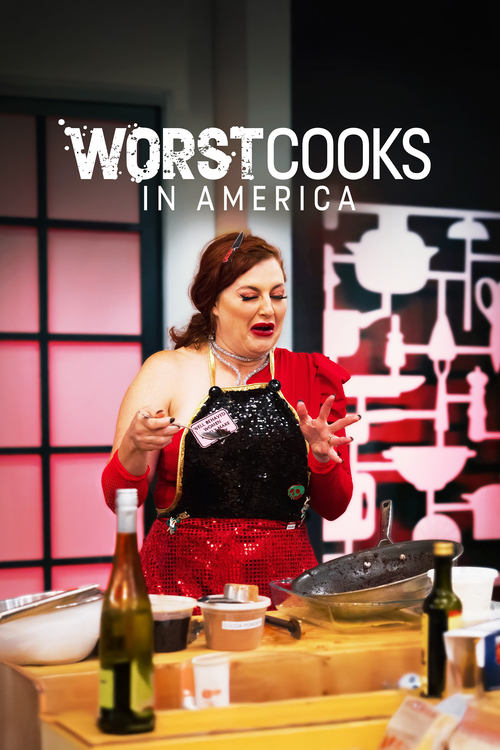
"Worst Cooks in America" premiered in 2010 and follows a group of culinary-challenged contestants as they undergo a rigorous cooking boot camp led by professional chefs. The show is structured as a competition, with contestants eliminated each week until a winner is crowned.
The series begins with a casting episode where a diverse group of contestants, all claiming to be the worst cooks in America, are introduced. Each contestant shares their personal cooking disasters, revealing their lack of skills and confidence in the kitchen. The chefs, Anne Burrell and Bobby Flay, are introduced as the mentors who will guide the contestants through the challenges.
In the first challenge, the contestants are tasked with preparing a signature dish that represents their cooking style. The chefs observe the contestants as they cook, taking notes on their techniques and skills. The dishes are presented to the chefs, who critique each one. The contestants are nervous and make various mistakes, such as overcooking or under-seasoning their food. After tasting the dishes, the chefs provide feedback, highlighting the contestants' weaknesses.
Following the first challenge, the contestants are divided into two teams, each led by one of the chefs. The teams begin their training with basic cooking techniques, such as knife skills, sautéing, and boiling. The chefs demonstrate these techniques, and the contestants practice under their supervision. Some contestants struggle to grasp the concepts, while others show improvement. The chefs encourage them, emphasizing the importance of practice and learning from mistakes.
As the weeks progress, the challenges become more complex. Contestants face various cooking tasks, such as preparing a three-course meal, baking, and grilling. Each challenge tests their skills and creativity. The chefs continue to mentor the contestants, providing tips and guidance. Some contestants begin to show significant improvement, while others remain stuck in their old habits.
Elimination rounds are a key feature of the show. After each challenge, the chefs evaluate the contestants' performances. The bottom performers face the risk of elimination. Tensions rise as contestants worry about being sent home. The chefs deliberate and ultimately decide who will leave the competition, creating emotional moments as contestants say goodbye to their peers.
As the competition narrows down, the remaining contestants face increasingly difficult challenges, including cooking for a panel of judges. They must impress not only the chefs but also the judges with their newfound skills. The pressure mounts, and contestants experience a mix of excitement and anxiety as they strive to prove themselves.
In the finale, the final two contestants prepare a lavish meal for a group of guests, showcasing everything they have learned throughout the competition. The chefs provide final guidance, and the contestants work diligently to create impressive dishes. The atmosphere is tense as they present their meals, hoping to impress the judges.
After the final tasting, the chefs deliberate one last time. They reflect on the contestants' journeys, considering their growth and improvement. The winner is announced, and the emotional culmination of the competition is revealed. The victorious contestant celebrates their achievement, having transformed from a self-proclaimed worst cook into a capable chef, while the others reflect on their experiences and newfound skills.








What is the ending?
In the finale of Worst Cooks in America, the remaining contestants face off in a final cooking challenge. The winner is crowned based on their improved culinary skills, and they receive a cash prize. The episode concludes with a celebration of the contestants' growth and transformation throughout the competition.
As the final episode begins, the atmosphere is charged with anticipation. The remaining contestants, who have endured weeks of rigorous training and challenges, stand nervously in the kitchen, their faces a mix of excitement and anxiety. The two finalists, each representing their respective teams, are ready to showcase their culinary evolution.
The first scene opens with the contestants reflecting on their journey. They recall their initial struggles, the disastrous meals they prepared, and the invaluable lessons learned from the celebrity chefs, Anne Burrell and Bobby Flay. The camera captures their nervous expressions as they prepare for the final challenge, a three-course meal that will test their skills in appetizers, entrees, and desserts.
As the clock starts ticking, the contestants rush to gather their ingredients. The kitchen is a flurry of activity, with pots clanging and knives chopping. Each contestant is focused, determined to impress the judges. The tension builds as they work through their recipes, occasionally glancing at the clock, which serves as a constant reminder of the time constraint.
In the next scene, the contestants present their appetizers. The judges, Anne and Bobby, taste each dish with critical eyes. The camera zooms in on their expressions as they savor the flavors, taking notes and discussing the strengths and weaknesses of each dish. The contestants watch anxiously, their hopes hanging on the judges' feedback.
After the appetizer round, the contestants move on to the entrees. This is a pivotal moment, as the entrees are the heart of the meal. The finalists pour their hearts into their dishes, showcasing the techniques they have learned throughout the competition. The judges taste each entree, and the tension in the room is palpable. The contestants hold their breath, waiting for the verdict.
Finally, the dessert round arrives. The contestants, now more confident, create sweet masterpieces that reflect their growth. The judges taste each dessert, and the atmosphere shifts from tension to excitement as they express their delight at the improvements made by the contestants.
As the final moments of the episode approach, the judges deliberate, discussing the overall performance of each contestant. The camera captures the finalists, their faces a mix of hope and anxiety as they await the announcement. The judges return to the stage, and the room falls silent.
In a dramatic reveal, the winner is announced. The chosen contestant erupts in joy, tears of happiness streaming down their face as they realize they have triumphed. The other finalist, while disappointed, shares a heartfelt moment of congratulations, acknowledging the journey they have both taken.
The episode concludes with a celebration of all the contestants. They gather together, reflecting on their growth and newfound skills. The camera pans over their smiling faces, showcasing the friendships formed and the confidence gained. The final message is one of transformation, highlighting the power of perseverance and the joy of cooking. Each contestant leaves the competition with a sense of accomplishment, ready to take their culinary skills into the world beyond the kitchen.
Is there a post-credit scene?
"Worst Cooks in America," which premiered in 2010, does not feature post-credit scenes. The show focuses on the journey of contestants who are notoriously bad at cooking as they undergo a transformation under the guidance of professional chefs. Each episode typically concludes with the elimination of a contestant, followed by a preview of the next episode's challenges. The format emphasizes the growth and development of the contestants rather than including additional scenes after the credits. Therefore, viewers can expect a straightforward wrap-up without any hidden or extra content following the main episodes.
Who are the main chefs mentoring the contestants in Worst Cooks in America?
In the first season of Worst Cooks in America, the main chefs mentoring the contestants are Anne Burrell and Bobby Flay. Anne Burrell is known for her energetic personality and expertise in Italian cuisine, while Bobby Flay brings his Southwestern cooking style and competitive spirit.
What challenges do the contestants face in the first season of Worst Cooks in America?
In the first season, contestants face a variety of cooking challenges designed to test their skills and improve their culinary abilities. These include a 'Blind Taste Test' where they must identify ingredients, a 'Cooking for a Crowd' challenge where they prepare meals for a large group, and a 'Family Dinner' challenge that requires them to create a complete meal.
How do the contestants react to their cooking failures during the challenges?
Throughout the challenges, contestants often experience a range of emotions, from frustration and embarrassment to determination and humor. Many express feelings of inadequacy and self-doubt when their dishes do not turn out as expected, while others find camaraderie and support among their fellow contestants, leading to moments of laughter and shared experiences.
What is the significance of the elimination process in Worst Cooks in America?
The elimination process in Worst Cooks in America is significant as it adds tension and stakes to the competition. After each challenge, the chefs evaluate the contestants' performances, leading to emotional moments where contestants face the possibility of being sent home. This process highlights their growth and the pressure they feel to improve their cooking skills.
What are some memorable dishes created by the contestants in the first season?
Some memorable dishes created by contestants in the first season include a disastrous attempt at Beef Wellington, which falls apart during cooking, and a surprisingly successful lasagna that impresses the judges. These dishes often reflect the contestants' struggles and growth, showcasing both their failures and unexpected successes.
Is this family friendly?
"Worst Cooks in America," which premiered in 2010, is generally considered family-friendly, but there are a few aspects that might be objectionable or upsetting for children or sensitive viewers.
-
Frustration and Conflict: Contestants often experience significant frustration and stress during cooking challenges, leading to emotional outbursts. This can include shouting or crying, which might be unsettling for some viewers.
-
Food Waste: There are moments where food is mishandled or wasted, which could be distressing for those sensitive to issues of food scarcity.
-
Humor and Sarcasm: The show employs a humorous tone, often using sarcasm and playful teasing among contestants and chefs. While mostly light-hearted, some jokes may not resonate well with all audiences.
-
Cooking Mishaps: The show features various cooking disasters, including burnt food, undercooked dishes, and other culinary failures that might be upsetting for viewers who are sensitive to failure or embarrassment.
-
Judgment and Critique: Contestants receive critiques from the chefs, which can be harsh at times. This might be uncomfortable for viewers who are sensitive to criticism or negative feedback.
Overall, while the show is designed to entertain and educate, these elements may require parental discretion for younger viewers or those who are particularly sensitive.