
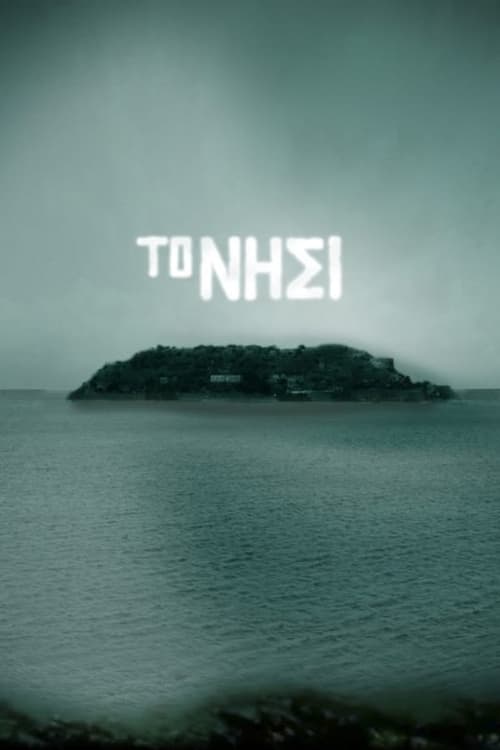



























Popular
What conflicts arise between the characters during their time on the island?
What pivotal moments lead to character development throughout the series?
What happens to the characters when they first arrive on the island?
How do the characters react to the challenges of survival on the island?
How do the characters' backstories influence their behavior on the island?
Should I watch it?
Ask Your Own Question

What is the plot?
In the year 2010, a group of people wakes up on a deserted island with no memory of how they got there. They quickly realize they are part of a social experiment orchestrated by a mysterious organization. The group consists of various individuals, each with their own backgrounds and personalities, including a former soldier, a doctor, a teacher, and a few others. They begin to explore the island, searching for food and shelter while trying to piece together their situation.
As the days pass, tensions rise among the group. They struggle with the lack of resources and the uncertainty of their predicament. The former soldier, who takes on a leadership role, tries to organize the group and establish rules for survival. However, his authoritative approach leads to conflicts with other members, particularly with a woman who believes in a more democratic approach to decision-making. This clash of leadership styles creates a rift within the group.
One night, the group hears strange noises coming from the jungle, which heightens their fear and paranoia. They decide to investigate, leading to a confrontation with a wild animal. The soldier's instincts kick in, and he manages to protect the group, but the incident leaves everyone shaken. This event solidifies his position as a protector, but it also deepens the divide between him and the others who feel he is becoming too controlling.
As they continue to explore the island, they discover remnants of previous inhabitants, including abandoned structures and supplies. This discovery sparks hope among the group, but it also raises questions about what happened to those who came before them. They find a journal that hints at the dark nature of the experiment they are part of, revealing that previous groups have faced dire consequences. This revelation causes panic and distrust, leading to accusations and further division.
In a desperate attempt to escape, a small group decides to build a raft using the materials they have scavenged. They work tirelessly, but as the raft nears completion, a storm hits the island. The group is forced to abandon their plans, and the storm causes significant damage to their makeshift shelter. The emotional toll of the storm exacerbates existing tensions, and the group begins to fracture further, with some members wanting to stay and others wanting to leave at any cost.
After the storm, the group finds themselves more divided than ever. The soldier's leadership is challenged, and a faction forms that believes they should take a more aggressive approach to survival. This faction begins to sabotage the efforts of those who want to maintain order and work together. The internal conflict escalates, leading to physical confrontations between the two sides.
In a pivotal moment, the group discovers a hidden cache of supplies, including food and tools. This discovery reignites hope, but it also leads to a power struggle over how to distribute the resources. The soldier and his faction want to hoard the supplies for themselves, while the others argue for a fair distribution. This conflict culminates in a violent confrontation, where members of the group are injured, and trust is shattered.
As the situation becomes increasingly dire, the group receives a mysterious message from the organization overseeing the experiment. The message reveals that they are being monitored and that their actions will determine their fate. This revelation forces the group to confront the reality of their situation and the consequences of their choices. Some members begin to question their motivations and the morality of their actions.
In a final attempt to escape, the group devises a plan to signal for help. They gather materials to create a large signal fire on the beach. However, as they prepare for the signal, tensions flare once more, leading to a final confrontation between the factions. The soldier's faction clashes with the others, resulting in chaos and destruction. In the midst of the conflict, the signal fire is accidentally ignited, creating a massive blaze that draws attention.
As the fire rages, a rescue team arrives on the island, but the group is too fractured to unite and signal for help effectively. Some members are captured by the rescue team, while others are left behind in the chaos. The emotional weight of their experiences weighs heavily on those who are rescued, as they grapple with the trauma of their time on the island and the choices they made.
In the aftermath, the surviving members are taken away for debriefing, but the psychological scars of the experiment linger. The show ends with a sense of ambiguity about the true nature of the experiment and the fate of those who were left behind, leaving viewers to ponder the implications of their actions and the moral dilemmas they faced.








What is the ending?
In the ending of "The Island," the main characters, Lin and the others, confront the truth about their existence and the purpose of their lives. They ultimately escape the island, but not without significant sacrifices and revelations about their identities.
As the story unfolds towards its conclusion, Lin and her companions, who have been living in a controlled environment, begin to uncover the dark reality of their situation. They learn that they are clones, created for the purpose of organ harvesting for their human counterparts. This revelation shatters their understanding of life and freedom.
In a climactic moment, Lin and her friend, who has been a source of support throughout their ordeal, make a desperate bid for freedom. They navigate through the dangers of the island, facing both physical threats and the emotional turmoil of their identities. The tension builds as they evade capture, driven by the hope of a life beyond the confines of their existence.
Ultimately, Lin's journey leads her to a confrontation with the organization that created them. In a final act of defiance, she chooses to fight for her right to live, not just as a clone but as an individual with her own desires and dreams. The ending is bittersweet, as Lin's escape signifies a new beginning, but it also highlights the sacrifices made along the way.
As the story concludes, the fate of the main characters is revealed. Lin emerges as a symbol of resilience and hope, while others face tragic ends, underscoring the harsh realities of their existence. The narrative closes on a note of uncertainty, leaving the audience to ponder the implications of identity, freedom, and the value of life.
As the final act of "The Island" unfolds, the atmosphere is thick with tension and urgency. Lin, portrayed with a fierce determination, stands at the edge of the forest, her heart racing as she processes the shocking truth about her existence. The lush greenery around her contrasts sharply with the bleak reality she has just uncovered: she and her friends are clones, bred for the sole purpose of providing organs for their human counterparts. This revelation ignites a fire within her, a desperate need to escape the confines of the island and claim her life.
Scene by scene, the narrative progresses. Lin gathers her closest allies, each grappling with their own emotional turmoil. They share a moment of vulnerability, expressing their fears and hopes. The camaraderie among them is palpable, a bond forged in the face of adversity. As they strategize their escape, the weight of their situation looms large, but Lin's resolve inspires them to act.
The group sets off through the dense underbrush, their movements cautious yet determined. The sounds of the island--birds chirping, leaves rustling--are juxtaposed with the looming threat of the organization that controls their lives. As they navigate the treacherous terrain, they encounter obstacles that test their physical and emotional limits. Each character's internal struggle is laid bare; they are not just fighting for freedom but also for their right to exist as individuals.
In a pivotal scene, they reach a clearing where they confront a group of armed guards. The tension escalates as Lin and her friends make a stand, showcasing their bravery. The fight is chaotic, filled with moments of desperation and courage. Lin's leadership shines through as she rallies her friends, urging them to push forward despite the odds stacked against them.
As the dust settles, the group suffers losses. One of Lin's closest friends is captured, a heartbreaking moment that underscores the stakes of their escape. The emotional weight of this sacrifice hangs heavy in the air, a reminder of the cost of their quest for freedom. Lin's face reflects a mix of determination and sorrow, a poignant reminder of the fragility of their existence.
The climax builds as Lin finally confronts the head of the organization, a figure representing the cold, calculated nature of their creation. In a tense exchange, Lin asserts her right to live, her voice steady despite the fear coursing through her. This confrontation is not just about survival; it is a declaration of her humanity, a refusal to be seen as merely a product.
In the final moments, Lin makes a daring escape, racing towards the horizon as the sun sets behind her. The imagery is striking--a symbol of hope and new beginnings. As she breaks free from the confines of the island, the camera lingers on her face, capturing a mixture of relief and uncertainty. The journey has transformed her, and while the future remains unknown, she steps forward with a newfound sense of purpose.
The fate of the other characters is revealed in the aftermath. Some remain trapped in the cycle of exploitation, while others find their own paths to freedom, albeit at a great cost. Lin's journey serves as a powerful testament to resilience, leaving the audience with lingering questions about identity, autonomy, and the essence of what it means to be truly alive. The narrative closes, not with a neat resolution, but with an open-ended exploration of the characters' lives beyond the island, inviting reflection on the complexities of existence.
Is there a post-credit scene?
The Island, produced in 2010, does not have a post-credit scene. The series concludes its narrative without any additional scenes after the credits roll. The final moments of the show wrap up the storylines of the main characters, providing closure to their arcs and the overarching themes of survival and human connection. The absence of a post-credit scene emphasizes the finality of their journey and the resolution of the conflicts they faced throughout the series.
What conflicts arise between the characters during their time on the island?
Conflicts arise primarily due to differing personalities and survival strategies. Some characters clash over leadership roles, while others face moral dilemmas regarding resource allocation and group dynamics. Tensions escalate as the stress of survival takes its toll, leading to confrontations that reveal deeper character motivations and fears.
What pivotal moments lead to character development throughout the series?
Pivotal moments that lead to character development include instances of sacrifice, moments of bravery, and critical decisions that test their morals. For example, when a character risks their safety to save another, it catalyzes a shift in group dynamics and personal growth, prompting others to reevaluate their own values and relationships.
What happens to the characters when they first arrive on the island?
When the characters first arrive on the island, they are disoriented and confused. They are dropped off in a remote location, and the initial shock of their surroundings leads to a mix of panic and curiosity. The group quickly realizes they must band together to survive, facing the harsh realities of their new environment.
How do the characters react to the challenges of survival on the island?
The characters exhibit a range of reactions to the challenges of survival. Some, like the more pragmatic individuals, take charge and begin to organize resources and establish shelter. Others struggle with the emotional toll of their situation, experiencing fear, anxiety, and moments of despair as they confront the reality of their isolation.
How do the characters' backstories influence their behavior on the island?
The characters' backstories play a significant role in shaping their behavior on the island. For instance, those with leadership experience often step up to guide the group, while others with traumatic pasts may struggle with trust and vulnerability. These backstories are revealed through flashbacks and conversations, providing insight into their motivations and emotional struggles.
Is this family friendly?
"The Island," produced in 2010, is a South Korean television series that revolves around the themes of survival, human relationships, and the complexities of life on a deserted island. While the show has engaging storytelling and character development, it does contain several elements that may not be suitable for children or sensitive viewers.
-
Survival Situations: The characters face extreme survival challenges, including hunger, injuries, and the psychological toll of isolation, which may be distressing for younger audiences.
-
Conflict and Tension: There are moments of intense conflict between characters, including arguments and physical confrontations, which can create a tense atmosphere.
-
Emotional Struggles: Characters experience deep emotional turmoil, including fear, despair, and loneliness, which may be upsetting for sensitive viewers.
-
Themes of Loss: The show explores themes of loss and abandonment, which can evoke strong emotional responses.
-
Mature Themes: There are underlying themes of betrayal and moral dilemmas that may be complex for younger viewers to understand.
Overall, while "The Island" offers a compelling narrative, its intense emotional and survival themes may not be appropriate for all audiences, particularly children or those who are sensitive to such content.