


Popular
Who were some of the most notable guests on Die Harald Schmidt Show and how did their appearances impact the show's dynamic?
What recurring sketches or segments were featured in Die Harald Schmidt Show, and how did they evolve over time?
How did Harald Schmidt's comedic style influence the interactions with his guests during interviews?
What role did the audience play in Die Harald Schmidt Show, and how did their reactions shape the show's format?
How did the show's set design and visual elements contribute to the overall tone and feel of Die Harald Schmidt Show?
Should I watch it?
Ask Your Own Question

What is the plot?
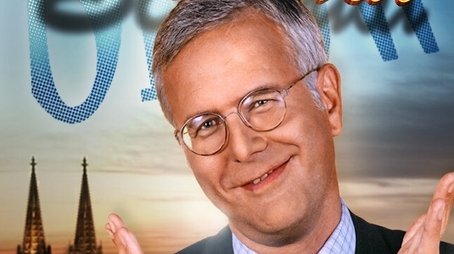
"Die Harald Schmidt Show" is a late-night talk show that premiered in 1995, hosted by Harald Schmidt. The show is structured around a mix of interviews, comedy sketches, and musical performances, rather than a traditional narrative plot with a linear storyline. Each episode features various guests, including celebrities, politicians, and musicians, who engage in conversations with Schmidt, often leading to humorous and satirical commentary on current events and pop culture.
The format of the show typically begins with Schmidt delivering a monologue filled with jokes and observations about recent news and societal issues. This sets the tone for the episode, showcasing Schmidt's wit and comedic style. Following the monologue, the first guest is introduced, and the interaction between Schmidt and the guest often includes playful banter, probing questions, and humorous anecdotes.
As the episode progresses, additional guests may appear, each bringing their own unique stories and perspectives. Schmidt's ability to navigate these conversations with charm and humor is a key element of the show. The interactions often lead to unexpected moments, such as spontaneous jokes or humorous misunderstandings, which keep the audience engaged.
In addition to interviews, the show features various comedic sketches and segments that parody current events or popular culture. These segments are designed to entertain the audience and often include recurring characters or themes that resonate with viewers. The sketches are interspersed throughout the episode, providing a break from the interviews and adding variety to the show's format.
Musical performances are also a staple of "Die Harald Schmidt Show." Each episode typically includes a musical guest who performs a song or two, adding an artistic element to the program. Schmidt often interacts with the musicians, creating a lively atmosphere that blends comedy and music.
The show concludes with a final segment, which may include a recap of the episode's highlights or a closing monologue. Schmidt often leaves the audience with a humorous or thought-provoking remark, wrapping up the episode on a high note.
Overall, "Die Harald Schmidt Show" is characterized by its blend of humor, celebrity interviews, and musical performances, rather than a traditional plot-driven narrative. Each episode is a unique experience, shaped by the guests and the current events of the time.








What is the ending?
"Die Harald Schmidt Show" is a late-night talk show rather than a traditional narrative with a defined ending. The show, which premiered in 1995, features Harald Schmidt as the host, engaging in comedic monologues, interviews with guests, and various sketches. Each episode typically concludes with a humorous or satirical note, often leaving the audience with a sense of amusement and reflection on the topics discussed.
In a more detailed exploration of the show's format, each episode begins with Harald Schmidt entering the stage to applause, often delivering a sharp monologue filled with current events and cultural commentary. The atmosphere is lively, with a studio audience reacting to his jokes, which range from light-hearted to biting satire.
As the episode progresses, Schmidt welcomes various guests, including celebrities, politicians, and cultural figures. The interactions are characterized by Schmidt's quick wit and ability to navigate between humor and serious topics. The guests often share personal anecdotes or engage in playful banter, revealing their personalities and sometimes their vulnerabilities.
In the final segment of an episode, Schmidt typically wraps up the discussions, often reflecting on the themes presented throughout the show. He might deliver a final joke or poignant remark that ties back to the earlier conversations, leaving the audience with a memorable takeaway. The show concludes with music, and Schmidt often thanks the audience, creating a sense of camaraderie and connection.
The fate of the characters in this context is not defined in a traditional narrative sense, as the show does not follow a linear storyline with character arcs. Instead, each episode presents a snapshot of contemporary culture, with Schmidt as the central figure who navigates the complexities of humor and societal issues. The characters, primarily the guests, come and go, each leaving their mark on the episode but not carrying over into a larger narrative beyond their appearance.
In summary, "Die Harald Schmidt Show" does not have a conventional ending but rather concludes each episode with a blend of humor and reflection, encapsulating the essence of late-night television and the dynamic between the host and his guests.
Is there a post-credit scene?
"Die Harald Schmidt Show," which premiered in 1995, is a late-night talk show format that features a mix of interviews, comedy sketches, and musical performances. However, it does not typically include post-credit scenes as one might find in scripted television series or films. The show concludes with Harald Schmidt engaging with the audience, often delivering a final humorous remark or commentary before the credits roll. The focus remains on the live interaction and the immediate entertainment rather than any additional scenes after the credits. Therefore, there are no post-credit scenes to describe.
Who were some of the most notable guests on Die Harald Schmidt Show and how did their appearances impact the show's dynamic?
Die Harald Schmidt Show featured a variety of notable guests, including actors, musicians, and public figures. Each guest brought their unique energy, often leading to humorous and unexpected interactions with Harald Schmidt. For instance, when German actor Hape Kerkeling appeared, their playful banter showcased a deep camaraderie, resulting in memorable comedic moments that highlighted both their personalities. The dynamic shifted depending on the guest's background, with some bringing a more serious tone while others contributed to the lighthearted atmosphere.
What recurring sketches or segments were featured in Die Harald Schmidt Show, and how did they evolve over time?
The show included several recurring sketches, such as 'Schmidt's News' where Harald provided satirical commentary on current events. This segment evolved to incorporate more visual elements and guest participation, enhancing its comedic impact. Another popular segment was 'The Schmidt Show Band,' which featured live music and often included humorous musical parodies. Over time, these segments became more polished, reflecting the show's growth and Schmidt's desire to keep the content fresh and engaging.
How did Harald Schmidt's comedic style influence the interactions with his guests during interviews?
Harald Schmidt's comedic style was characterized by sharp wit and a penchant for irony, which influenced his interviews significantly. He often employed self-deprecating humor and playful teasing, creating a relaxed atmosphere that encouraged guests to open up. For example, during an interview with a serious political figure, Schmidt's light-hearted approach often led to unexpected revelations, as the guest would lower their guard and share personal anecdotes, resulting in a blend of humor and sincerity.
What role did the audience play in Die Harald Schmidt Show, and how did their reactions shape the show's format?
The audience played a crucial role in Die Harald Schmidt Show, often reacting vocally to jokes and segments, which in turn influenced Schmidt's performance. Their laughter and applause provided immediate feedback, prompting Schmidt to adjust his delivery or even improvise based on their energy. This interaction created a dynamic atmosphere, making the audience feel like an integral part of the show, and often leading to spontaneous moments that became highlights of the episodes.
How did the show's set design and visual elements contribute to the overall tone and feel of Die Harald Schmidt Show?
The set design of Die Harald Schmidt Show was sleek and modern, featuring a prominent desk for Schmidt and a vibrant backdrop that changed with different themes. The lighting was carefully designed to enhance the comedic tone, often shifting to highlight moments of humor or drama. Visual elements, such as graphics and video clips, were integrated into sketches and segments, adding layers to the storytelling. This attention to detail in the visual presentation helped establish a lively and engaging atmosphere that complemented Schmidt's comedic style.
Is this family friendly?
"Die Harald Schmidt Show," which premiered in 1995, is a late-night talk show that features a mix of comedy, interviews, and satirical commentary. While it is known for its humor and entertainment, there are several aspects that may not be considered family-friendly or suitable for children and sensitive viewers.
-
Adult Humor: The show often employs humor that is geared towards adults, including sexual innuendos and jokes that may not be appropriate for younger audiences.
-
Satirical Content: The show frequently satirizes political figures, celebrities, and current events, which can include sharp critiques and potentially offensive commentary that might upset some viewers.
-
Language: There may be instances of strong language or crude expressions that are not suitable for children.
-
Cultural References: Some jokes and references may be based on cultural or societal issues that require a certain level of maturity to fully understand, which could be confusing or inappropriate for younger viewers.
-
Visual Gags: The show sometimes includes visual humor that may be considered risqué or inappropriate, depending on the context.
Overall, while "Die Harald Schmidt Show" is entertaining for many, its content may not align with family-friendly standards, particularly for children or those sensitive to adult themes.