


Popular
What are the main character's motivations in SOKO Wismar?
How does the relationship between the detectives evolve throughout the series?
What specific challenges do the detectives face in solving cases?
What role does the setting of Wismar play in the story?
How do personal lives of the detectives impact their work on cases?
Should I watch it?
Ask Your Own Question

What is the plot?
In the pilot episode of SOKO Wismar, the story begins with the discovery of a body washed ashore near the picturesque coastal town of Wismar. The victim is identified as a local fisherman, and the police are called to investigate the circumstances surrounding his death. The scene is set against the backdrop of the serene yet haunting Baltic Sea, with the sound of waves crashing and seagulls crying overhead.
Detective Chief Inspector Kira Dorn and her team, including her partner, Detective Sergeant Lars Pöhlmann, arrive at the crime scene. They examine the body and note signs of a struggle, indicating that the fisherman may not have died accidentally. Kira, a determined and intuitive investigator, feels a strong sense of responsibility to uncover the truth behind the man's death. Lars, more methodical and cautious, supports her but often plays the role of the voice of reason.
As the investigation unfolds, Kira and Lars interview the victim's family and friends. They learn that the fisherman had recently come into conflict with a rival over fishing territories. This rivalry leads them to suspect that the death may be linked to illegal fishing practices. The tension in the interviews reveals the emotional stakes for the victim's family, who are grieving and desperate for answers.
The detectives then delve into the victim's past, uncovering a web of relationships and conflicts. They discover that the fisherman had been involved in a love affair with a local woman, which complicates the investigation. Kira feels a mix of empathy and frustration as she navigates the emotional turmoil of those affected by the crime. The love affair adds layers to the victim's character, making Kira question the motives of those around him.
As they gather more evidence, Kira and Lars receive a tip-off about a suspicious boat seen near the crime scene on the night of the murder. They track down the boat's owner, a man with a criminal record for poaching. The confrontation is tense; Kira's determination to get answers clashes with the man's evasive demeanor. He eventually admits to being near the area but denies any involvement in the murder, leaving Kira frustrated yet more determined to find the truth.
The investigation takes a dramatic turn when Kira and Lars discover a hidden stash of illegal fishing gear in the suspect's shed. This evidence points to a larger operation involving multiple fishermen. The detectives realize that the rivalry may have escalated into something more dangerous. Kira's instincts tell her that they are getting closer to the truth, but the pressure mounts as they face pushback from the local fishing community, who are protective of their own.
In a pivotal moment, Kira receives an anonymous tip that leads her to a secluded area where she finds a witness who saw the murder. The witness, terrified and reluctant to come forward, reveals that he saw the rival fisherman confront the victim on the night of the murder. This revelation shifts the focus of the investigation, and Kira feels a surge of hope that they are finally on the right track.
As the detectives prepare to confront the rival fisherman, tensions rise within the team. Lars expresses concern about the safety of pursuing the case further, fearing retaliation from the local community. Kira, however, is resolute, driven by her commitment to justice for the victim and his family. This internal conflict highlights Kira's determination and the emotional weight of the case on her shoulders.
The climax of the episode occurs when Kira and Lars confront the rival fisherman at a local bar. The atmosphere is charged with tension as they question him about the murder. The confrontation escalates into a physical altercation, with Kira and Lars struggling to subdue the suspect. In the chaos, Kira's emotions boil over, and she confronts the man about his motives, revealing her deep-seated anger over the loss of life.
In the aftermath of the confrontation, the rival fisherman is arrested, and the case begins to unravel as more evidence comes to light. Kira reflects on the emotional toll the investigation has taken on her and the community. The episode concludes with a sense of resolution, but also with lingering questions about the impact of the crime on the town and its residents. Kira and Lars share a moment of camaraderie, acknowledging the challenges they face as they continue their work in Wismar.









What is the ending?
In the final episode of SOKO Wismar, the team investigates a murder that leads them to uncover a web of deceit involving a local businessman. As they piece together the clues, they confront the murderer, leading to a tense standoff. The episode concludes with the resolution of the case, and the team reflects on their work and the impact of the crime on the community.
The episode opens with a serene morning in Wismar, the sun casting a warm glow over the cobblestone streets. The tranquility is shattered when a local fisherman discovers a body washed ashore. The camera pans over the scene, capturing the shock on the faces of onlookers as the police cordon off the area. The victim is identified as a well-known businessman, whose connections to the community raise immediate questions.
Cut to the SOKO team, gathered in their office, reviewing the details of the case. Detective Chief Inspector Kira Kossmann leads the discussion, her brow furrowed in concentration. She is determined to uncover the truth, driven by a sense of justice for the victim and his family. Her partner, Detective Rainer Götz, shares his insights, suggesting that the victim's business dealings may have led to his demise. The team's camaraderie is evident as they bounce ideas off each other, showcasing their dedication to solving the case.
As the investigation unfolds, the detectives interview various suspects, including the victim's business partner, who appears nervous and evasive. The tension builds as they uncover a series of financial discrepancies that suggest foul play. Each scene is filled with the palpable anxiety of the detectives as they navigate the murky waters of betrayal and greed. The emotional stakes rise when they learn that the victim had been planning to expose corruption within the local business community.
In a pivotal scene, Kira and Rainer confront the business partner in his office, the atmosphere thick with tension. The partner's facade begins to crack under pressure, revealing his desperation and fear. The detectives press him for answers, and the audience can feel the weight of the truth hanging in the air. The partner's motivations become clearer; he is driven by a mix of ambition and fear of losing everything he has built.
As the investigation reaches its climax, the team gathers evidence that leads them to a shocking revelation about the true murderer. The scene shifts to a dramatic confrontation at a secluded warehouse, where the murderer is cornered. The tension is palpable as Kira and Rainer face off against the suspect, who is armed and desperate. The standoff is fraught with danger, and the emotional stakes are high as Kira tries to reason with the suspect, appealing to his humanity.
In the final moments, the suspect is apprehended, and the team breathes a collective sigh of relief. The camera captures the exhaustion and relief on Kira's face as she reflects on the case. The episode closes with the team back at their office, sharing a quiet moment of camaraderie. They discuss the impact of the crime on the community and the importance of their work. Kira expresses her gratitude for her team, highlighting their dedication and resilience.
As the credits roll, viewers are left with a sense of closure, knowing that justice has been served, but also a reminder of the complexities of human nature and the challenges faced by those who seek the truth. Each character's journey throughout the episode culminates in a deeper understanding of their roles within the community and the weight of their responsibilities as protectors of justice.
Is there a post-credit scene?
"SOKO Wismar," produced in 2004, does not feature post-credit scenes. The episodes typically conclude with a resolution to the case being investigated, followed by a brief wrap-up of the characters' emotional states and interactions. The focus remains on the narrative of the crime and its resolution, without additional scenes after the credits. Each episode is self-contained, emphasizing the procedural aspects of the investigation and the dynamics among the team members.
What are the main character's motivations in SOKO Wismar?
The main characters in SOKO Wismar, particularly the lead investigator, are driven by a strong sense of justice and a commitment to uncovering the truth behind each crime. Their motivations often stem from personal experiences, such as past traumas or losses, which fuel their determination to solve cases and protect the community.
How does the relationship between the detectives evolve throughout the series?
Throughout SOKO Wismar, the relationships between the detectives evolve significantly. Initially, there may be tension or rivalry, but as they work together on various cases, they develop a deep camaraderie and trust. This evolution is marked by shared experiences, emotional support during difficult times, and a growing understanding of each other's strengths and weaknesses.
What specific challenges do the detectives face in solving cases?
The detectives in SOKO Wismar face numerous challenges, including navigating complex interpersonal relationships among suspects, dealing with bureaucratic obstacles, and confronting their own emotional struggles. Each case presents unique hurdles, such as misleading evidence, uncooperative witnesses, or the pressure of public scrutiny, which test their skills and resolve.
What role does the setting of Wismar play in the story?
The setting of Wismar plays a crucial role in SOKO Wismar, as the picturesque coastal town provides a stark contrast to the dark crimes being investigated. The local culture, historical landmarks, and community dynamics influence the characters' interactions and the unfolding of each case, often adding layers of complexity to the investigations.
How do personal lives of the detectives impact their work on cases?
The personal lives of the detectives in SOKO Wismar significantly impact their work. Issues such as family conflicts, romantic relationships, and past traumas often bleed into their professional lives, affecting their focus and decision-making. These personal struggles add depth to their characters and create emotional stakes that resonate throughout the series.
Is this family friendly?
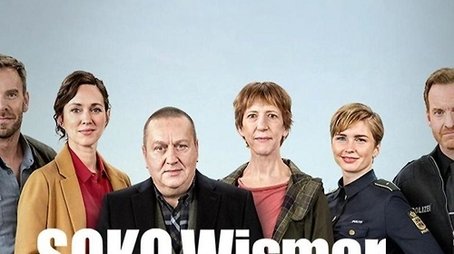
"SOKO Wismar," produced in 2004, is a German crime drama series that revolves around a team of detectives solving various murder cases in the picturesque town of Wismar. While the show is primarily focused on crime investigation, it does contain elements that may not be suitable for younger audiences or sensitive viewers.
-
Violent Crime Scenes: The series often depicts murder investigations, which can include graphic descriptions of crime scenes and the aftermath of violent acts. This may be unsettling for children or those sensitive to violence.
-
Emotional Trauma: Characters frequently deal with the emotional fallout of crimes, including grief, loss, and trauma. These themes can be heavy and may resonate deeply with viewers, potentially causing discomfort.
-
Mature Themes: The show explores complex human emotions and moral dilemmas, including betrayal, jealousy, and revenge. These themes may be difficult for younger viewers to fully understand or process.
-
Police Procedures: Some scenes involve police interrogations and the darker aspects of criminal investigations, which might be intense or frightening for children.
-
Occasional Strong Language: While not the focus, there may be instances of strong language or heated exchanges that could be inappropriate for younger audiences.
Overall, while "SOKO Wismar" is a compelling crime drama, its themes and content may not be suitable for all viewers, particularly children or those who are sensitive to violence and emotional distress.