






Popular
What are the main adventures that Annoying Orange and his friends go on throughout the series?
How does Annoying Orange's personality affect his interactions with other characters?
What role does the character Pear play in the series, and how does he react to Annoying Orange?
What are some of the recurring themes or conflicts that arise between Annoying Orange and his nemesis, the Grapefruit?
How do the other fruit characters, like Apple and Banana, contribute to the storylines in the series?
Should I watch it?
Ask Your Own Question

What is the plot?
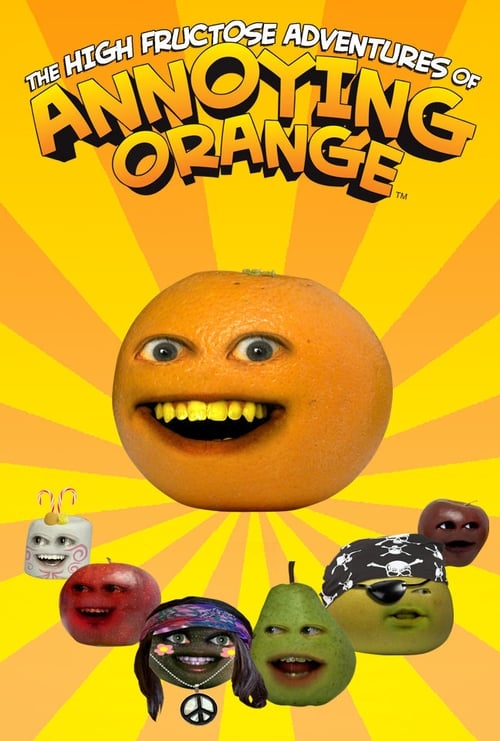
The High Fructose Adventures of Annoying Orange begins with the introduction of Orange, a talking orange with a loud and obnoxious personality, who lives in a kitchen with his friends: Pear, a sensible and somewhat uptight pear; Apple, a cool and laid-back character; and Grapefruit, a tough and grumpy fruit. The kitchen is lively, filled with various fruits and vegetables, each with their own distinct personalities. Orange's antics often annoy his friends, but they tolerate him due to their friendship.
In the first episode, "The Annoying Orange," Orange's annoying behavior is showcased as he interacts with various kitchen items and other fruits. He constantly makes puns and jokes, often at the expense of others. The episode escalates when a new fruit, a mysterious and intimidating Grapefruit, enters the kitchen. Grapefruit is initially unfazed by Orange's antics, which leads to a rivalry between the two. Orange's attempts to annoy Grapefruit backfire, resulting in a series of comedic confrontations.
As the episodes progress, Orange and his friends embark on various adventures. In "The Great Escape," the group finds themselves trapped in a refrigerator. They must work together to escape, with Orange's loud personality often causing chaos. Pear tries to devise a plan, while Orange distracts the guards, leading to a series of slapstick moments. Eventually, they manage to escape by using a combination of teamwork and Orange's unpredictable antics.
In "The Orange and the Grapefruit," the rivalry between Orange and Grapefruit intensifies. Grapefruit challenges Orange to a series of contests to prove who is the better fruit. The contests range from physical challenges to trivia games, with Orange's overconfidence often leading to humorous failures. However, through determination and the support of his friends, Orange manages to win the final contest, solidifying his place in the kitchen hierarchy.
The series also introduces recurring characters, such as the villainous Chef, who often tries to cook the fruits. In "Chef's Revenge," Chef devises a plan to capture Orange and his friends. The fruits must use their wits to outsmart Chef, leading to a series of close calls and comedic escapes. Orange's loud personality becomes both a hindrance and a help, as his antics distract Chef long enough for the others to escape.
In "The Fruit of the Loom," the kitchen is threatened by a new character, a menacing vegetable named Broccoli. Broccoli attempts to take over the kitchen, and the fruits must band together to stop him. Orange, initially dismissive of Broccoli's threats, eventually realizes the seriousness of the situation. The fruits devise a plan to confront Broccoli, leading to a climactic showdown where teamwork and friendship prevail.
Throughout the series, Orange's character remains consistent--his annoying yet lovable personality often leads to humorous situations. The friendships between the fruits are tested but ultimately strengthened through their adventures. Each episode concludes with a comedic twist, often featuring Orange's catchphrase, "Hey, Apple!" followed by a pun that encapsulates the episode's theme.
In the final episodes, the stakes are raised as the fruits face their biggest challenge yet: a rival kitchen filled with hostile fruits. In "Kitchen Wars," Orange and his friends must defend their home from the invading fruits. The episode features a series of battles, with each fruit showcasing their unique abilities. Orange's loud and chaotic nature becomes a rallying point for his friends, leading to a triumphant victory.
The series concludes with a celebration in the kitchen, where Orange and his friends reflect on their adventures. They acknowledge the importance of friendship and teamwork, despite the chaos that often ensues. The final scene features Orange making one last pun, leaving the audience with a sense of closure and the promise of more adventures to come.









What is the ending?
In the final episode of The High Fructose Adventures of Annoying Orange, titled "The High Fructose Adventures of Annoying Orange: The Movie," the characters face off against a villainous figure known as the "Fruit Ninja." The episode culminates in a showdown where Orange and his friends band together to defeat the Fruit Ninja, showcasing their teamwork and friendship. Ultimately, they succeed, and the episode ends on a light-hearted note, with the characters celebrating their victory.
Now, let's delve into the ending in a more detailed narrative fashion.
The scene opens in a vibrant, animated kitchen filled with various fruits and vegetables, all bustling with energy. The atmosphere is tense as the characters gather to discuss the looming threat of the Fruit Ninja, a menacing figure who has been slicing through their friends and causing chaos. Orange, with his signature grin and playful demeanor, rallies his friends--Pear, Marshmallow, and the rest--encouraging them to stand together against this common enemy.
As they strategize, Pear expresses his concerns about their chances against such a formidable foe. His voice trembles slightly, revealing his internal struggle with fear and doubt. Orange, however, remains optimistic, his enthusiasm infectious. He reassures Pear, emphasizing the importance of friendship and teamwork. The camaraderie among the group is palpable, and they all agree to confront the Fruit Ninja together.
The scene shifts to the Fruit Ninja's lair, a dark and ominous place filled with sharp blades and eerie shadows. The tension escalates as the group sneaks in, their hearts racing. Each character's personality shines through--Marshmallow's bubbly nature contrasts with Pear's cautiousness, while Orange's relentless humor lightens the mood. They navigate through the lair, dodging traps and narrowly escaping danger, showcasing their unique skills and how they complement one another.
As they finally confront the Fruit Ninja, the atmosphere is charged with anticipation. The Fruit Ninja, clad in a dark outfit and wielding a massive sword, taunts them, his voice dripping with menace. The battle begins, and the characters spring into action. Orange uses his quick wit to distract the Fruit Ninja, while Pear and the others work together to devise a plan. The animation is dynamic, with vibrant colors and fast-paced movements that keep the audience on the edge of their seats.
During the fight, each character faces their own challenges. Pear, initially hesitant, finds his courage and steps up to protect his friends. Marshmallow, with her boundless energy, bounces around, distracting the Fruit Ninja and creating openings for the others. The teamwork displayed is a testament to their growth as individuals and as a group.
As the climax approaches, the characters execute their plan flawlessly. They combine their strengths, and in a final, exhilarating moment, they manage to outsmart the Fruit Ninja. With a clever maneuver, they send him tumbling into a pile of fruit, effectively defeating him. The victory is sweet, and the kitchen erupts in cheers.
In the aftermath, the characters gather together, their faces beaming with joy and relief. They celebrate their triumph, sharing laughs and playful banter. Orange, ever the jokester, cracks a few puns that have everyone in stitches, reinforcing the light-hearted spirit of the show. Pear, now more confident, expresses his gratitude for his friends, acknowledging how their support helped him overcome his fears.
As the episode draws to a close, the camera pans out, showing the kitchen filled with laughter and camaraderie. The characters reflect on their adventure, realizing that their friendship is their greatest strength. The screen fades to black, leaving the audience with a sense of warmth and the message that together, they can overcome any challenge.
In summary, the fates of the main characters are as follows: Orange remains the cheerful, annoying yet lovable leader of the group; Pear grows into a more confident character, embracing his role as a protector; Marshmallow continues to be the energetic spirit of the team; and together, they solidify their bond, ready for whatever adventures may come next. The episode concludes on a high note, celebrating friendship, teamwork, and the joy of overcoming obstacles together.
Is there a post-credit scene?
In "The High Fructose Adventures of Annoying Orange," there are no consistent post-credit scenes throughout the series. Each episode typically concludes without additional content after the credits roll. The focus remains on the main storyline and the antics of the characters, particularly Orange and his friends, during the episode itself. The humor and chaos are contained within the episodes, leaving no lingering scenes or additional material after the credits.
What are the main adventures that Annoying Orange and his friends go on throughout the series?
Throughout the series, Annoying Orange and his friends embark on various comedic adventures that often parody popular movies and TV shows. In one episode, they find themselves in a 'Fruit Ninja' world where they must dodge blades and avoid being sliced. In another, they parody 'The Hunger Games' where Orange and his friends compete in a fruit-themed survival game. Each adventure is filled with slapstick humor, puns, and the signature annoying antics of Orange.
How does Annoying Orange's personality affect his interactions with other characters?
Annoying Orange's personality is characterized by his incessant joking and annoying behavior, which often frustrates his friends like Pear, who is more serious and level-headed. This dynamic creates tension, as Pear frequently tries to rein in Orange's antics, while Orange's carefree attitude often leads to humorous situations. For example, in one episode, Pear tries to plan a serious event, but Orange's interruptions turn it into chaos, showcasing the contrast between their personalities.
What role does the character Pear play in the series, and how does he react to Annoying Orange?
Pear serves as the voice of reason among the group, often trying to keep Annoying Orange's antics in check. His reactions range from exasperation to reluctant acceptance of Orange's behavior. In episodes where Pear attempts to be serious, such as when he tries to teach Orange a lesson, his frustration is palpable, leading to comedic moments where he ultimately has to go along with Orange's silliness, highlighting the dynamic of their friendship.
What are some of the recurring themes or conflicts that arise between Annoying Orange and his nemesis, the Grapefruit?
The rivalry between Annoying Orange and Grapefruit is a recurring theme throughout the series. Grapefruit often sees himself as superior and tries to outsmart Orange, leading to various conflicts. In one episode, Grapefruit challenges Orange to a contest to prove who is the better fruit, which results in a series of humorous challenges. The conflict is fueled by Grapefruit's jealousy of Orange's popularity and Orange's relentless teasing, creating a comedic tension that drives many plotlines.
How do the other fruit characters, like Apple and Banana, contribute to the storylines in the series?
Apple and Banana serve as supporting characters who often react to the antics of Annoying Orange and the conflicts that arise. Apple is often portrayed as naive and easily influenced by Orange's jokes, while Banana tends to be more laid-back and goes along with the flow. Their interactions add depth to the storylines, as they provide additional comedic relief and help to highlight the absurdity of the situations Orange finds himself in, such as when they join in on a fruit-themed musical number.
Is this family friendly?
The High Fructose Adventures of Annoying Orange is generally considered a family-friendly show, aimed primarily at a younger audience. However, there are a few aspects that might be considered potentially objectionable or upsetting for some children or sensitive viewers:
-
Annoying Behavior: The main character, Orange, is known for his incessant puns and annoying antics, which might frustrate some viewers, especially those who prefer more subdued humor.
-
Silly Violence: The show features cartoonish violence, such as characters being sliced, diced, or otherwise harmed in exaggerated ways. While it is presented in a comedic context, some children might find these scenes unsettling.
-
Mild Scares: Certain episodes include spooky themes or characters that might be frightening for very young children, such as monsters or ghostly figures.
-
Food-related Jokes: The humor often revolves around food, which may include jokes about being eaten or food-related mishaps. Some children might find these concepts distressing.
-
Sassy Attitudes: Characters often display sassy or sarcastic attitudes, which might not be suitable for all viewers, particularly those sensitive to negative social interactions.
Overall, while the show is designed to be entertaining for kids, parents may want to preview episodes to ensure they align with their children's sensitivities.