
























Popular
What motivates Pablo Escobar to rise to power in the drug trade?
How does the relationship between Pablo Escobar and his family evolve throughout the series?
What role does the Colombian government play in the conflict with Escobar?
How does the character of Javier F. Peña influence the narrative?
What are the key events that lead to the downfall of Pablo Escobar?
Should I watch it?
Ask Your Own Question

What is the plot?
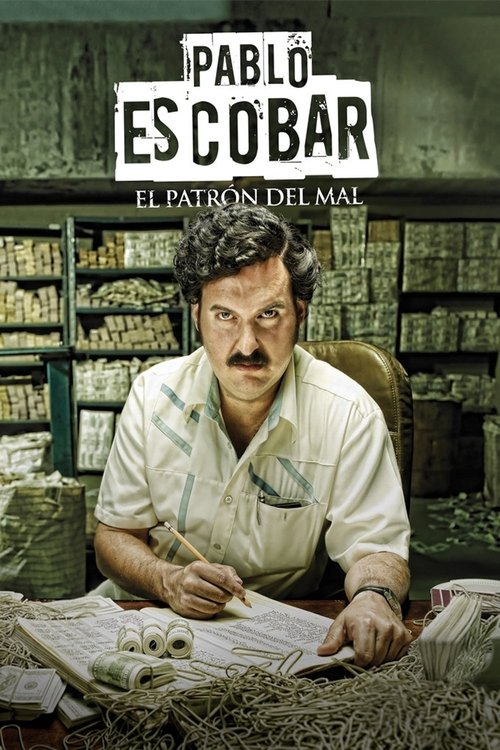
The series begins in the late 1970s, introducing Pablo Escobar as a young, ambitious man in Medellín, Colombia. He starts his journey in the drug trade by smuggling cocaine, quickly rising through the ranks due to his intelligence and ruthlessness. He forms a partnership with the Ochoa brothers, who are already established in the cocaine business. Together, they create a powerful drug cartel, which begins to dominate the cocaine market in the United States.
As Escobar's empire grows, he becomes increasingly wealthy and influential. He uses his money to gain political power, bribing officials and building a network of corrupt politicians. He also invests in his community, constructing sports fields and housing, which earns him the loyalty of the local population. This duality of being a benefactor and a criminal begins to shape his public persona.
In the early 1980s, the Colombian government, under pressure from the United States, starts to crack down on drug trafficking. This leads to a series of violent confrontations between Escobar's cartel and law enforcement. Escobar responds to the increasing threat by employing brutal tactics, including assassinations of police officers and politicians who oppose him. His actions escalate the violence in Colombia, leading to widespread fear and chaos.
As the government intensifies its efforts to capture him, Escobar goes into hiding. During this time, he becomes more paranoid and isolated, relying on a small circle of trusted associates. He also faces internal conflicts within the cartel, as rival factions emerge, leading to betrayals and power struggles. The tension within the cartel culminates in violent confrontations, resulting in the deaths of key members.
In 1989, Escobar's cartel orchestrates a series of bombings, including the infamous bombing of Avianca Flight 203, which kills hundreds. This act of terror draws international attention and condemnation, further escalating the conflict between Escobar and the Colombian government. The United States, led by the DEA, becomes more involved, sending agents to assist in the hunt for Escobar.
As the manhunt intensifies, Escobar's family becomes a target. His wife, Maria Victoria, and children are forced to live in hiding, which strains their relationship. Escobar's desperation grows as he realizes that his empire is crumbling. He begins to make plans for a potential surrender, hoping to negotiate a deal that would allow him to retain some power and avoid extradition to the United States.
In a pivotal moment, Escobar surrenders to the Colombian authorities in 1991, under the condition that he would serve his sentence in a luxurious prison he built himself, La Catedral. However, the prison is more of a fortress than a jail, and Escobar continues to run his drug empire from behind bars. This arrangement infuriates the Colombian government and the United States, leading to further tensions.
As Escobar's power begins to wane, rival cartels and law enforcement continue to close in on him. The government, feeling betrayed by Escobar's continued influence, decides to take action. In a dramatic turn of events, Escobar escapes from La Catedral in 1992, leading to a massive manhunt. The series of events that follow are marked by intense gunfights and betrayals, as Escobar's former allies turn against him.
The final act of the series depicts Escobar's last days as he is relentlessly pursued by the Colombian National Police, led by Colonel Hugo Martinez. The tension builds as Escobar, now a fugitive, struggles with his declining power and the loss of his family. He becomes increasingly desperate, moving from safe house to safe house, always one step ahead of his pursuers.
In the climactic finale, Escobar is finally cornered in a Medellín neighborhood. In a tense standoff, he attempts to escape through the rooftops, but the police are hot on his trail. The scene is chaotic, filled with gunfire and the sounds of helicopters overhead. Ultimately, Escobar is shot and killed on December 2, 1993, marking the end of his reign as one of the most notorious drug lords in history. His death leaves a profound impact on Colombia, as the country grapples with the aftermath of his violent legacy.









What is the ending?
In the ending of "Pablo Escobar: The Drug Lord," Pablo Escobar's reign comes to a violent conclusion as he is hunted down by the authorities. The series culminates in a tense standoff between Escobar and the Colombian National Police, leading to his death. The aftermath reveals the impact of his actions on his family and the country, showcasing the deep scars left by the drug trade.
As the final episodes unfold, the tension escalates in Colombia. The National Police, led by Colonel Hugo Martinez, intensifies their efforts to capture Pablo Escobar. The atmosphere is thick with anticipation and fear, as Escobar, portrayed as both a powerful kingpin and a desperate fugitive, navigates the treacherous landscape of betrayal and loyalty.
Scene 1: The Chase The episode opens with a montage of Escobar's life on the run. He is seen moving from one hideout to another, his face a mask of anxiety and determination. The camera captures the sweat on his brow and the frantic glances he casts over his shoulder, aware that the walls are closing in. His internal conflict is palpable; he is a man who once ruled with an iron fist, now reduced to a hunted animal.
Scene 2: The Betrayal In a pivotal moment, Escobar's closest allies begin to waver. The series highlights the growing distrust among his men, as they weigh their loyalty against the overwhelming pressure from law enforcement. The tension in the air is thick as Escobar confronts his associates, demanding their unwavering support. The fear in their eyes betrays their thoughts; they know the end is near.
Scene 3: The Final Stand The climax arrives as the police finally track Escobar to a modest house in Medellín. The scene is charged with urgency as the police surround the building, their weapons drawn. Escobar, realizing he has nowhere left to run, prepares for a final confrontation. The camera captures the chaos outside, with police sirens blaring and the sound of helicopters overhead, creating a cacophony that mirrors Escobar's internal turmoil.
Scene 4: The Death of Escobar In a heart-stopping moment, Escobar is cornered on the rooftop. The scene is tense, with the police shouting commands and Escobar's desperate attempts to escape. The camera zooms in on his face, revealing a mix of fear, defiance, and resignation. As the gunfire erupts, the audience witnesses the tragic end of a man who once held immense power. Escobar is shot, and the camera lingers on his lifeless body, a stark reminder of the violence that defined his life.
Scene 5: The Aftermath In the aftermath of Escobar's death, the series shifts focus to his family. His wife, Maria Victoria, and children are left to grapple with the consequences of his actions. The emotional weight of their loss is palpable as they navigate a world forever changed by Escobar's legacy. The camera captures their sorrow, the empty spaces in their lives where Escobar once stood, and the haunting realization of the cost of his empire.
Scene 6: The Legacy The final scenes reflect on the broader impact of Escobar's reign on Colombia. The country is depicted as scarred but resilient, struggling to heal from the wounds inflicted by the drug trade. The series closes with a somber tone, emphasizing the enduring effects of violence and corruption, leaving viewers to ponder the complex legacy of Pablo Escobar.
In conclusion, the fates of the main characters are sealed in this tragic finale. Pablo Escobar meets his end in a violent confrontation, while his family is left to pick up the pieces of their shattered lives. The series ends on a note of reflection, highlighting the deep scars left on both individuals and society as a whole.
Is there a post-credit scene?
The TV show "Pablo Escobar: The Drug Lord," produced in 2012, does not feature a post-credit scene. The series concludes its narrative without any additional scenes after the credits roll. The final episodes focus on the culmination of Pablo Escobar's life, his downfall, and the impact of his actions on Colombia and those around him. The emotional weight of the story is encapsulated in the closing moments, leaving viewers with a sense of closure regarding Escobar's fate and the legacy of violence and corruption he left behind.
What motivates Pablo Escobar to rise to power in the drug trade?
Pablo Escobar's rise to power is driven by a combination of ambition, a desire for wealth, and a need for respect. Growing up in a poor environment, he is determined to escape poverty and gain influence. His early experiences with crime, including petty theft and smuggling, fuel his ambition. As he builds his cocaine empire, his motivations shift from mere financial gain to a quest for political power and social status, leading him to engage in acts of violence and corruption.
How does the relationship between Pablo Escobar and his family evolve throughout the series?
Pablo's relationship with his family is complex and evolves significantly throughout the series. Initially, he is portrayed as a loving husband and father, deeply invested in the well-being of his wife, Maria Victoria, and their children. However, as his drug empire grows, the strain of his criminal activities begins to take a toll. His family becomes increasingly aware of the dangers surrounding them, leading to moments of tension and fear. Ultimately, his family's safety becomes a central concern for Pablo, influencing many of his decisions as he grapples with the consequences of his actions.
What role does the Colombian government play in the conflict with Escobar?
The Colombian government plays a crucial role in the conflict with Escobar, initially underestimating his power and influence. As Escobar's drug empire expands, the government becomes increasingly involved in efforts to combat his operations. This leads to a series of violent confrontations, including the formation of special police units like the Search Bloc. The government's attempts to negotiate with Escobar, as well as their reliance on U.S. support, highlight the complexities of the political landscape and the challenges they face in dismantling his empire.
How does the character of Javier F. Peña influence the narrative?
Javier F. Peña, a DEA agent, serves as a pivotal character in the narrative, representing the law enforcement perspective in the battle against Escobar. His determination to bring down the drug lord drives much of the plot, as he navigates the dangerous world of drug trafficking and corruption. Peña's character is marked by a strong sense of justice, but he also faces moral dilemmas as he witnesses the collateral damage of the drug war. His interactions with other characters, including Colombian officials and fellow agents, reveal the complexities of the fight against Escobar and the personal toll it takes on him.
What are the key events that lead to the downfall of Pablo Escobar?
The key events leading to Pablo Escobar's downfall include a series of betrayals, increased pressure from law enforcement, and the formation of alliances among his enemies. The assassination of key figures within his organization, such as his close associates, creates instability. The government's intensified efforts, particularly through the Search Bloc and the collaboration with the U.S. DEA, escalate the conflict. Additionally, Escobar's own decisions, such as his choice to go into hiding and the subsequent loss of support from his community, contribute to his eventual capture and death. These events are marked by intense action, emotional turmoil, and the tragic consequences of his choices.
Is this family friendly?
"Pablo Escobar: The Drug Lord" is not considered family-friendly due to its mature themes and graphic content. The series contains several potentially objectionable or upsetting aspects, including:
-
Violence: The show depicts numerous violent scenes, including shootings, bombings, and brutal confrontations, often showcasing the harsh realities of drug trafficking and gang warfare.
-
Drug Use: There are scenes that portray drug use and the impact of addiction, which may be distressing for younger viewers or sensitive individuals.
-
Murder and Death: The series includes graphic depictions of murder, including the deaths of key characters, which can be emotionally intense and disturbing.
-
Corruption and Betrayal: Themes of betrayal, corruption, and moral ambiguity are prevalent, showcasing the darker side of human nature and the consequences of the drug trade.
-
Emotional Turmoil: Characters experience significant emotional distress, including loss, grief, and fear, which may resonate deeply with sensitive viewers.
-
Sexual Content: There are instances of sexual situations and suggestive themes that may not be appropriate for younger audiences.
Overall, the series is intended for mature audiences and may not be suitable for children or those who are sensitive to such content.