












Popular
What is Kobato's main goal throughout the series?
Who is Ioryogi and what role does he play in Kobato's journey?
What challenges does Kobato face while trying to collect hearts?
How does Kobato's relationship with Fujimoto develop throughout the series?
What is the significance of the mysterious flask in Kobato's quest?
Should I watch it?
Ask Your Own Question

What is the plot?
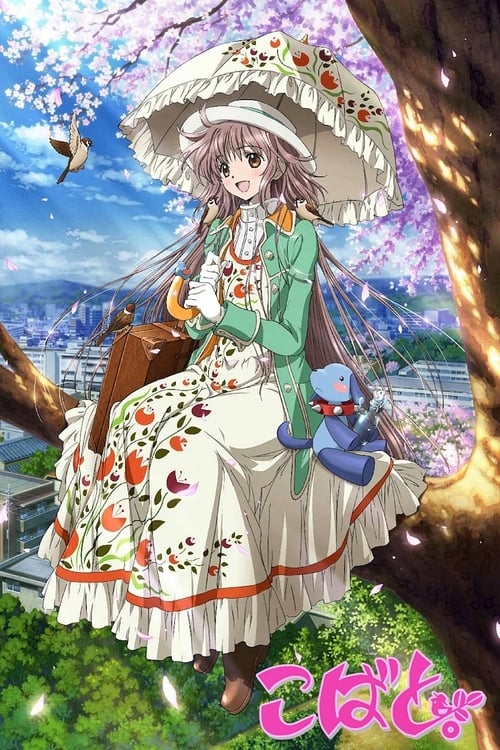
Kobato Hanato, a cheerful and optimistic girl, arrives in a town with a mission to fill a mysterious flask with the "hearts" of people in need. She is accompanied by a small, talking dog named Ioryogi, who serves as her guide and mentor. Ioryogi is initially gruff and skeptical of Kobato's abilities, but he is committed to helping her succeed in her task. Kobato's first encounter is with a young girl named Sayaka, who is struggling with her feelings of loneliness and abandonment. Kobato comforts her, and through this interaction, she begins to understand the importance of her mission.
As Kobato continues her journey, she meets various characters, including Fujimoto, a serious and somewhat aloof man who works at a local bakery. He is initially dismissive of Kobato, but she is drawn to him and his struggles. Kobato learns that Fujimoto is trying to save the bakery from being shut down due to financial issues. She decides to help him by volunteering at the bakery, where her cheerful demeanor gradually begins to win over the staff and customers.
Kobato's interactions with the townspeople lead her to encounter more individuals in need. She meets a boy named Kenta, who is bullied at school, and a woman named Kiyoko, who is dealing with the loss of her husband. Each time Kobato helps someone, she collects a small piece of their heart, which she places into her flask. The emotional connections she forms with these characters deepen her understanding of love and compassion.
As Kobato's mission progresses, she faces challenges that test her resolve. Ioryogi becomes increasingly concerned about her emotional well-being, especially as she begins to develop feelings for Fujimoto. He warns her that her mission may come at a cost, and she must be prepared for the consequences of her actions. Despite this, Kobato remains determined to help others and fill her flask.
The story takes a turn when Kobato learns that her time in the town is limited. She discovers that once her flask is filled, she will have to leave and may never return. This revelation weighs heavily on her, as she has grown attached to the people she has helped and to Fujimoto. Kobato struggles with the idea of leaving behind the connections she has made, but she resolves to continue her mission, believing that her purpose is to help others.
As Kobato's relationships deepen, she and Fujimoto share moments of vulnerability and connection. Fujimoto begins to open up about his past and the reasons behind his serious demeanor. He reveals that he has been carrying the burden of his family's expectations and the pressure to succeed. Kobato's unwavering support and kindness help him confront his fears, and he starts to see the value in allowing himself to be vulnerable.
The climax of the story occurs when Kobato finally fills her flask. This moment is bittersweet, as she realizes that her time in the town is coming to an end. Ioryogi, who has been watching over her, reveals the truth about her mission: she is not just a girl trying to help others, but a being sent to heal hearts and bring happiness. However, this also means that she must leave the people she has come to love.
In the final scenes, Kobato bids farewell to the friends she has made, including Fujimoto. Their parting is filled with emotion, as they both express their feelings for one another. Kobato promises to remember them and the impact they have had on her life. As she departs, the townspeople gather to show their appreciation for her kindness and the changes she has brought to their lives.
Kobato's journey concludes with her transformation into a more mature and understanding individual. She has fulfilled her mission, but the emotional weight of her departure lingers. The story ends with a sense of hope, as Kobato's actions have left a lasting impact on the town and its residents, and her spirit continues to resonate with those she has touched.









What is the ending?
In the ending of Kobato, Kobato finally fulfills her mission of collecting the hearts of those in pain, allowing her to grant a wish. After successfully gathering the required hearts, she learns that her wish is to be with the people she has come to love. However, she must leave her friends behind as she returns to her original world. The story concludes with a bittersweet farewell, as Kobato departs, leaving behind cherished memories and the impact she made on those around her.
As the final episodes unfold, the narrative begins with Kobato standing in the park, reflecting on her journey. The sun shines brightly, casting a warm glow over the scene, symbolizing the hope and joy she has brought to others. She clutches the small pouch that contains the hearts she has collected, each one representing a person she has helped. Her eyes shimmer with a mix of happiness and sadness, knowing that her time in this world is coming to an end.
In the next scene, Kobato visits her friends one last time. She finds Fujimoto, who has been a constant source of support throughout her journey. Their bond has deepened, and as they talk, Kobato expresses her gratitude for his kindness. Fujimoto, who has grown to care for Kobato deeply, struggles with the impending separation. He tries to remain strong, but his emotions are palpable, and he fights back tears as he realizes he may never see her again.
Kobato then visits the children at the daycare, where she has made a significant impact. The children, who have come to adore her, gather around her, unaware of her departure. Kobato kneels down to their level, her heart swelling with love as she shares her final moments with them. She encourages them to be brave and kind, imparting the lessons she has learned during her time on Earth. The children, sensing her sadness, cling to her, not wanting to let go.
As the day progresses, Kobato makes her way to the cherry blossom tree, a place that holds special memories for her. Here, she encounters her guardian spirit, who reveals the truth about her mission and the nature of her wish. Kobato learns that her wish to stay with her friends cannot be granted, as she must return to her original world. This revelation hits her hard, and she feels a deep sense of loss, but she understands that her purpose was to help others, and she has succeeded.
In the final scene, Kobato stands beneath the cherry blossoms, petals swirling around her like a gentle rain. She takes a deep breath, her heart heavy yet filled with warmth from the connections she has made. With tears in her eyes, she bids farewell to Fujimoto and the children, promising to always remember them. As she walks away, the world around her begins to fade, and she is enveloped in a soft light, signifying her return to her original world.
Fujimoto watches her go, his heart aching with the weight of her absence. He stands alone under the cherry blossom tree, the petals falling like tears, symbolizing the bittersweet nature of their parting. The children, still at the daycare, feel a sense of loss but carry the lessons Kobato taught them in their hearts.
In the end, Kobato's journey concludes with her fulfilling her mission, leaving behind a legacy of love and kindness. Each character, from Fujimoto to the children, is left to navigate their lives with the impact of her presence, forever changed by the time they spent together. Kobato's fate is one of departure, but her spirit lives on in the hearts of those she touched.
Is there a post-credit scene?
In the anime "Kobato," produced in 2009, there is indeed a post-credit scene that adds a touching conclusion to the story. After the main events of the series, the scene unfolds in a serene park setting, where Kobato is seen sitting on a bench, looking contemplative yet hopeful.
As the camera pans, it reveals the vibrant cherry blossoms in full bloom, symbolizing renewal and the passage of time. Kobato, with her signature blue hair and cheerful demeanor, reflects on her journey and the friends she has made along the way. Her eyes sparkle with a mix of nostalgia and determination, embodying her growth throughout the series.
In this moment, she is approached by a familiar figure--Yasuko, the kind-hearted woman who runs the bakery. Their interaction is warm and filled with unspoken understanding, as Yasuko expresses her gratitude for Kobato's presence in her life. Kobato, in turn, shares her dreams and aspirations, hinting at her desire to continue helping others.
The scene closes with Kobato looking up at the sky, a gentle smile on her face, as the petals of the cherry blossoms drift around her like soft whispers of hope. This post-credit moment encapsulates the themes of healing, friendship, and the enduring impact of kindness, leaving viewers with a sense of closure and optimism for Kobato's future.
What is Kobato's main goal throughout the series?
Kobato Hanato's primary goal throughout the series is to fill a mysterious flask with the hearts of people in need, which will allow her to fulfill her wish to go to a certain place. This quest drives her to help various characters, each with their own emotional struggles.
Who is Ioryogi and what role does he play in Kobato's journey?
Ioryogi is a small, dog-like spirit who serves as Kobato's guide and mentor. He is initially gruff and cynical, often criticizing Kobato's naive optimism. However, as the story progresses, he becomes more supportive and protective of her, revealing his own backstory and the reasons behind his tough exterior.
What challenges does Kobato face while trying to collect hearts?
Kobato faces numerous challenges while trying to collect hearts, including misunderstandings with the people she tries to help, her own naivety leading to complications, and the emotional weight of the stories of those she encounters. Each interaction tests her resolve and teaches her valuable lessons about compassion and understanding.
How does Kobato's relationship with Fujimoto develop throughout the series?
Kobato's relationship with Fujimoto, a serious and somewhat aloof man who works at a nearby bakery, evolves from initial misunderstandings and tension to a deep bond. As Kobato helps those around her, Fujimoto begins to see her genuine kindness and innocence, leading to moments of vulnerability and connection between them.
What is the significance of the mysterious flask in Kobato's quest?
The mysterious flask that Kobato carries is central to her quest, as it symbolizes her mission to collect the hearts of those in need. Each heart she collects represents a story of pain and healing, and the flask itself serves as a physical manifestation of her growth and the impact she has on others' lives.
Is this family friendly?
"Kobato." is generally considered a family-friendly anime, but there are a few elements that might be sensitive for children or those who are particularly sensitive.
-
Themes of Loss and Grief: The series explores themes of loss, including characters dealing with the death of loved ones or the emotional scars left behind. This can be poignant and may evoke sadness.
-
Emotional Struggles: Several characters face personal challenges and emotional turmoil, which may be heavy for younger viewers. These struggles are depicted with depth, showcasing feelings of loneliness, regret, and longing.
-
Difficult Family Dynamics: Some characters have complicated relationships with their families, which may touch on issues like neglect or misunderstanding. These dynamics can be upsetting for viewers who relate to such experiences.
-
Mature Situations: While not graphic, there are moments that hint at more mature themes, such as unrequited love and the complexities of adult relationships, which may be confusing for younger audiences.
-
Visual Depictions of Sadness: The animation often portrays characters in distressing situations, with visual cues like tears and somber expressions that emphasize their emotional states.
Overall, while "Kobato." is suitable for a younger audience, parents may want to be aware of these themes and discuss them with children to provide context and support.