





Popular
What is the significance of Mr. Wednesday's character in American Gods?
How does Shadow Moon's character evolve throughout the series?
What role does Laura Moon play in Shadow's journey?
What is the relationship between the old gods and the new gods in American Gods?
How does the character of Mad Sweeney impact the story?
Should I watch it?
Ask Your Own Question

What is the plot?
The story begins with a prologue set in the early 1800s, where a group of Vikings, led by a warrior named Shadow Moon, is shown sacrificing a man to the Norse god Odin, also known as Wednesday. The scene is visceral, with the Vikings chanting and the blood spilling, establishing the theme of sacrifice and the power of belief.
Fast forward to the present day, Shadow Moon is in prison, counting down the days until his release. He is anxious to reunite with his wife, Laura, who has promised to wait for him. However, he learns that she has died in a car accident just days before his release. Devastated, Shadow is released early to attend her funeral. The emotional weight of his loss is palpable as he grapples with grief and anger.
At Laura's funeral, Shadow is confronted by her lover, Robbie, who is also mourning her death. Shadow's internal turmoil is evident as he struggles with feelings of betrayal and heartbreak. After the funeral, he is approached by a mysterious man named Mr. Wednesday, who offers him a job as a bodyguard. Shadow, desperate for distraction and purpose, reluctantly accepts.
As Shadow travels with Mr. Wednesday, he begins to experience strange occurrences, including visions and encounters with supernatural beings. He learns that Mr. Wednesday is actually the god Odin, and that the old gods are losing their power as people stop believing in them. Shadow's skepticism is challenged as he witnesses the reality of the gods' existence.
Shadow and Wednesday travel across the country, meeting various characters, including the goddess Bilquis, who consumes her lovers, and Mad Sweeney, a leprechaun who is desperate to retrieve his stolen gold. Each encounter reveals the struggles of the old gods in a modern world that has forgotten them. Shadow's internal conflict deepens as he grapples with his own beliefs and the reality of the divine.
Meanwhile, Laura is resurrected by the god Anansi, who uses her as a pawn in a larger game. She is confused and angry about her new existence, feeling disconnected from Shadow and the life she once had. Her motivations shift as she seeks to reconnect with Shadow, leading her to follow him and Wednesday.
As Shadow continues to work for Wednesday, he becomes embroiled in a conflict between the old gods and the new gods, who represent modern society's obsessions with technology and consumerism. The new gods, including Media and the Black-Hats, are determined to eliminate the old gods and assert their dominance. Shadow is caught in the middle, struggling to understand his role in this conflict.
The tension escalates as Shadow learns more about the impending war between the gods. He discovers that he is a key player in this battle, as he is the son of a god, which complicates his feelings of loyalty and identity. Shadow's internal struggle intensifies as he grapples with his heritage and the expectations placed upon him.
In a pivotal moment, Shadow confronts Wednesday about the truth of his past and the nature of the conflict. Wednesday reveals that he has been manipulating events to ensure Shadow's involvement in the war. Shadow feels betrayed but also recognizes the necessity of the fight for the old gods' survival.
As the war approaches, Shadow's relationships become increasingly strained. He has a tense reunion with Laura, who is now a different person due to her resurrection. Their interactions are fraught with unresolved feelings and the weight of their shared past. Shadow's emotional state is turbulent as he navigates his love for Laura and his growing connection to the world of the gods.
The climax of the season occurs during a gathering of the old gods, where they prepare for the impending battle against the new gods. Shadow is torn between his loyalty to Wednesday and his desire to forge his own path. The atmosphere is charged with tension as the gods discuss their strategies and the stakes of the conflict.
In the final episodes, the battle between the old and new gods erupts. Shadow finds himself in the midst of chaos, witnessing the destruction and desperation of the gods fighting for their existence. The conflict is brutal, with gods clashing and the consequences of their actions becoming increasingly dire.
As the season concludes, Shadow is faced with a choice that will determine his future and the fate of the gods. He must decide whether to fully embrace his role in the conflict or to reject the expectations placed upon him. The emotional weight of his decision is heavy, as he grapples with his identity and the legacy of his parents.
The season ends on a cliffhanger, leaving Shadow's fate uncertain and the war between the gods unresolved. The stakes are high, and the tension between belief, identity, and the power of the divine looms large as the story sets the stage for future conflicts and revelations.


What is the ending?
In the ending of "American Gods," Shadow Moon confronts the gods in a climactic battle. He learns the truth about his parentage and the nature of the conflict between the old gods and the new. The series concludes with Shadow choosing to side with the new gods, leading to a significant shift in the power dynamics among the deities. The fate of the main characters is revealed, with some finding resolution while others face uncertain futures.
As the final episode unfolds, we find ourselves in a tense atmosphere, the air thick with anticipation. The scene opens with Shadow Moon standing at the edge of a vast, desolate landscape, the remnants of the battle between the old gods and the new gods looming in the background. He is conflicted, grappling with the revelations he has received about his lineage and the true nature of his existence. The weight of his choices presses heavily on him, and we can see the turmoil in his eyes.
In the next scene, we transition to the House on the Rock, where Mr. Wednesday, now revealed to be Odin, gathers his followers. The old gods are preparing for the impending confrontation with the new gods, led by the technological deity, Mr. World. Tension crackles in the air as the old gods, including the likes of Czernobog and Bilquis, express their doubts and fears about the battle ahead. Each character's motivations are laid bare; they are fighting not just for survival, but for recognition in a world that has largely forgotten them.
As the battle commences, we see Shadow caught in the crossfire. He is torn between his loyalty to Mr. Wednesday and the new gods, who represent the modern world he has come to understand. The visuals are striking, with flashes of lightning illuminating the chaos of the fight. Shadow's internal struggle is palpable; he is a man caught between two worlds, each pulling him in different directions.
In a pivotal moment, Shadow confronts Mr. Wednesday, demanding the truth about his father. The revelation that he is the son of a god shakes him to his core. This moment is visually intense, with close-ups capturing the raw emotion on Shadow's face as he processes the implications of his heritage. The audience can feel his anger, betrayal, and confusion as he grapples with the weight of his identity.
As the battle rages on, Shadow makes a critical decision. He chooses to side with the new gods, realizing that the old ways are fading and that he must embrace the change that is sweeping through the world. This choice is not made lightly; it is a culmination of his journey, reflecting his growth and understanding of his place in the world. The scene is charged with energy as he steps away from the old gods, a visual representation of his transformation.
In the aftermath of the battle, we see the consequences of Shadow's choice. Mr. Wednesday is ultimately defeated, his power waning as the new gods assert their dominance. The old gods, once proud and powerful, are left to reckon with their diminished status. Shadow's decision marks a significant turning point, symbolizing the inevitable shift in belief and power in the modern age.
The final scenes depict Shadow's journey towards acceptance. He visits Laura Moon's grave, where he reflects on his past and the choices he has made. The emotional weight of this moment is heavy, as he acknowledges the love and loss that have shaped him. Shadow's fate is one of bittersweet resolution; he has found a new path, but it is tinged with the sorrow of what he has left behind.
As the series concludes, we are left with a sense of uncertainty. The new gods have emerged victorious, but the future remains unpredictable. Shadow stands as a symbol of the struggle between the old and the new, embodying the complexities of faith, identity, and the ever-evolving nature of belief. The final shot lingers on Shadow, a solitary figure against the backdrop of a changing world, encapsulating the essence of his journey and the themes of the series.
Is there a post-credit scene?
In the 2017 television series "American Gods," there is no post-credit scene following the episodes. The show typically concludes without additional scenes after the credits roll, focusing instead on the narrative and character arcs presented throughout each episode. The storytelling is rich and layered, with each episode designed to leave viewers contemplating the themes and conflicts introduced, rather than providing extra content in a post-credit format.
What is the significance of Mr. Wednesday's character in American Gods?
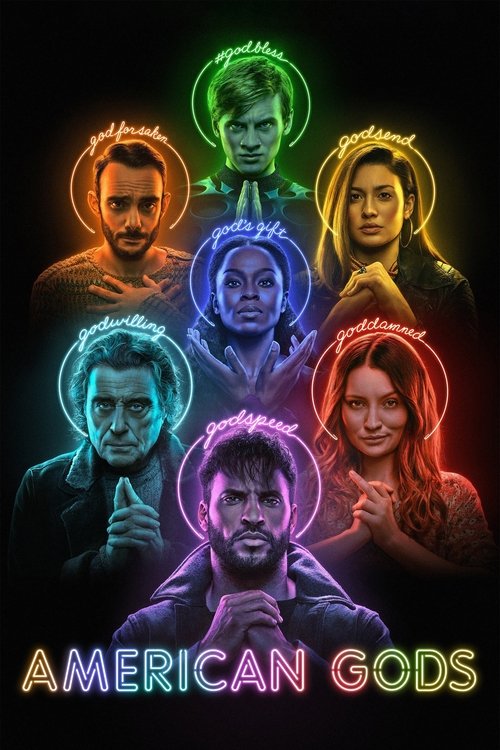
Mr. Wednesday, portrayed by Ian McShane, is a complex character who embodies the old god Odin. His motivations are deeply rooted in the struggle for survival against the new gods, representing modern society's obsessions with technology and consumerism. Throughout the series, he manipulates Shadow Moon, using him as a pawn in his larger scheme to rally the old gods for a battle against the new. His charismatic yet enigmatic nature draws Shadow into a world of myth and conflict, revealing the depth of his desperation and cunning.
How does Shadow Moon's character evolve throughout the series?
Shadow Moon, played by Ricky Whittle, begins as a man recently released from prison, grappling with the loss of his wife, Laura. His journey is marked by confusion and a search for identity as he becomes embroiled in the conflict between the old and new gods. As he learns more about his own past and the true nature of the gods, Shadow transforms from a passive character into a more assertive figure, ultimately seeking to understand his own power and place in this mythological struggle.
What role does Laura Moon play in Shadow's journey?
Laura Moon, portrayed by Emily Browning, serves as both a haunting presence and a catalyst for Shadow's transformation. After her death, she becomes a literal and metaphorical ghost in Shadow's life, representing unresolved issues and the complexities of love and betrayal. Her resurrection complicates Shadow's journey, as he grapples with his feelings for her while also confronting the reality of her choices. Laura's character embodies themes of loyalty and the consequences of one's actions, ultimately influencing Shadow's decisions and emotional state.
What is the relationship between the old gods and the new gods in American Gods?
The relationship between the old gods, like Mr. Wednesday and Czernobog, and the new gods, such as Media and Technology, is central to the conflict in American Gods. The old gods struggle to maintain relevance in a world that no longer believes in them, while the new gods thrive on society's obsession with modernity. This dynamic creates tension and conflict, as the old gods seek to reclaim their power and followers, leading to a climactic battle that symbolizes the clash between tradition and progress.
How does the character of Mad Sweeney impact the story?
Mad Sweeney, played by Pablo Schreiber, is a leprechaun who adds both comic relief and depth to the narrative. His interactions with Shadow and Laura reveal his own struggles with identity and purpose, as he grapples with his fading power and the consequences of his past actions. Sweeney's character serves as a bridge between the old and new gods, illustrating the complexities of belief and the importance of stories in shaping reality. His fate intertwines with Shadow's journey, ultimately influencing the choices that lead to the series' pivotal moments.
Is this family friendly?
"American Gods," produced in 2017, is not considered family-friendly due to its mature themes and content. Here are some potentially objectionable or upsetting aspects that may affect children or sensitive viewers:
-
Violence: The series contains graphic violence, including scenes of murder, physical confrontations, and bloodshed that can be intense and disturbing.
-
Sexual Content: There are numerous explicit sexual scenes, including nudity and sexual acts, which are portrayed in a graphic manner.
-
Substance Abuse: Characters are shown using drugs and alcohol, which may be unsettling for younger viewers or those sensitive to such themes.
-
Dark Themes: The show explores heavy themes such as death, existentialism, and the struggle between old and new gods, which can be complex and potentially distressing.
-
Supernatural Elements: The presence of gods and mythological creatures, along with surreal and sometimes nightmarish imagery, may be frightening for younger audiences.
-
Psychological Distress: Characters experience trauma, mental health struggles, and existential crises, which can be emotionally intense and challenging to process.
Overall, the series is intended for mature audiences and contains content that may not be suitable for children or sensitive viewers.