








Popular
What is the significance of the mutagen in the series?
How does the relationship between Leonardo and Raphael evolve throughout the series?
What role does Splinter play in the turtles' development?
What is the backstory of the character Shredder in this series?
How does the character April O'Neil contribute to the turtles' missions?
Should I watch it?
Ask Your Own Question

What is the plot?
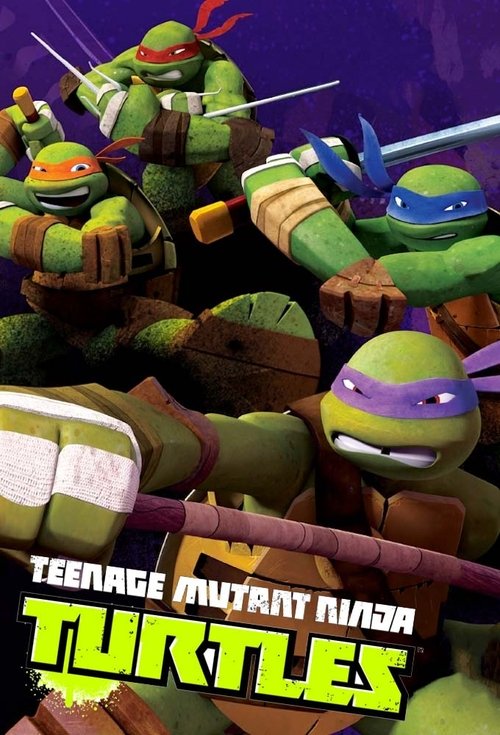
In the first episode of the 2012 Teenage Mutant Ninja Turtles series, titled "Rise of the Turtles," we are introduced to the four turtles: Leonardo, Michelangelo, Donatello, and Raphael, who live in the sewers of New York City. They are trained in ninjutsu by their father figure, Splinter, who is a mutated rat. The turtles are eager to explore the surface world, but Splinter warns them to stay hidden. However, curiosity gets the better of them, and they venture out to the city.
As they explore, they encounter a group of Foot Clan ninjas led by a mysterious figure known as the Shredder. The turtles witness the Foot Clan stealing a truck filled with mutagen, a substance that can transform living beings. The turtles decide to intervene, leading to their first confrontation with the Foot Clan. During the fight, they showcase their unique fighting styles, with Leonardo demonstrating his leadership and sword skills, Raphael using brute strength, Donatello employing his tech-savvy gadgets, and Michelangelo bringing his playful energy to the battle.
After successfully thwarting the Foot Clan's heist, the turtles return to their lair, where they celebrate their victory. However, they are soon confronted by Splinter, who is disappointed that they disobeyed his orders. He emphasizes the importance of staying hidden and the dangers of the surface world. The turtles feel a mix of pride and guilt, realizing that their actions could have consequences.
In the following episodes, the turtles continue to face various challenges, including encounters with other mutants. They meet April O'Neil, a human girl who becomes their ally. April is initially unaware of the turtles' existence but soon discovers their secret when she is attacked by the Foot Clan. The turtles rescue her, and she becomes an integral part of their team, helping them navigate the human world.
As the series progresses, the turtles learn more about their origins and the mutagen that transformed them. They discover that their father, Splinter, was once a human named Hamato Yoshi, who was betrayed by the Shredder. This revelation deepens their resolve to confront the Shredder and the Foot Clan. The turtles train harder, honing their skills and preparing for the inevitable showdown.
The conflict escalates when the turtles face off against the Shredder and his elite Foot Clan ninjas. In a series of intense battles, the turtles utilize their teamwork and individual strengths to combat the Foot Clan's advanced technology and martial arts skills. Each turtle faces personal challenges, with Raphael struggling with his anger, Leonardo grappling with the weight of leadership, Donatello dealing with feelings of inadequacy, and Michelangelo trying to maintain morale.
As the turtles grow stronger, they also encounter other mutants, such as Bebop and Rocksteady, who serve as henchmen for the Shredder. These encounters lead to further battles, showcasing the turtles' growth as fighters and their ability to adapt to new threats. The emotional stakes rise as they face losses and victories, each battle bringing them closer together as brothers.
In the climax of the series, the turtles confront the Shredder in a final showdown. The battle is fierce, with the turtles using all their skills and teamwork to take down the Shredder and his forces. Each turtle plays a crucial role in the fight, with Leonardo leading the charge, Raphael providing brute strength, Donatello using his intelligence to outsmart the enemy, and Michelangelo keeping the spirits high.
Ultimately, the turtles succeed in defeating the Shredder, but not without significant sacrifices and challenges. The victory is bittersweet, as they realize that their fight against evil is far from over. The series concludes with the turtles reflecting on their journey, their bond as brothers strengthened through their trials, and their commitment to protecting New York City from future threats. They understand that their lives as ninjas will continue, and they are ready to face whatever comes next together.
🔥 Trending TV Shows Now
Browse All TV Shows →








What is the ending?
In the final episode of the 2012 Teenage Mutant Ninja Turtles series, titled "Turtles Forever," the Turtles face off against the Shredder and the Krang in a climactic battle. The Turtles ultimately defeat their enemies, but not without significant sacrifice and growth. Each Turtle reflects on their journey, and they find a sense of closure as they embrace their roles as heroes.
As the episode begins, the Turtles--Leonardo, Michelangelo, Donatello, and Raphael--are preparing for a final confrontation with the Shredder and the Krang. The atmosphere is tense, filled with a mix of determination and anxiety. Leonardo, as the leader, rallies his brothers, reminding them of their bond and the importance of their mission. Each Turtle is shown in their respective emotional states: Leonardo is focused and serious, Raphael is brimming with anger and frustration, Donatello is calculating and inventive, and Michelangelo is trying to lighten the mood with humor, despite the gravity of the situation.
The scene shifts to the lair of the Shredder, where he is plotting his next move with the Krang. The Turtles infiltrate the lair, showcasing their teamwork and skills. As they navigate through the traps and enemies, the Turtles display their unique abilities--Leonardo leads with precision, Raphael charges in with brute strength, Donatello uses his gadgets to outsmart foes, and Michelangelo provides comic relief while still contributing to the fight.
The battle escalates as the Turtles confront the Shredder. The fight is intense, with each Turtle facing their own challenges. Raphael's anger leads him to take reckless risks, while Leonardo tries to keep him in check. Donatello's inventions play a crucial role in turning the tide of the battle, and Michelangelo's creativity shines through as he uses unconventional methods to distract their enemies.
As the fight reaches its peak, the Turtles are pushed to their limits. They face overwhelming odds, but their bond as brothers strengthens their resolve. In a pivotal moment, they combine their strengths to launch a final attack against the Shredder and the Krang. The scene is filled with dynamic action, showcasing their growth as fighters and as a family.
In the aftermath of the battle, the Turtles stand victorious but weary. They reflect on their journey, acknowledging the sacrifices they have made and the lessons they have learned. Leonardo expresses pride in his brothers, while Raphael admits that he has learned to control his anger. Donatello shares his gratitude for their teamwork, and Michelangelo emphasizes the importance of family.
As the episode concludes, the Turtles look towards the future with hope. They understand that their fight as heroes is never truly over, but they are ready to face whatever challenges lie ahead together. Each Turtle finds a sense of peace in their roles, knowing that they have each other's backs.
In summary, the ending of the 2012 Teenage Mutant Ninja Turtles series encapsulates the themes of brotherhood, growth, and resilience. The Turtles emerge from their final battle not just as warriors, but as a united family, ready to embrace their destiny as heroes.
Is there a post-credit scene?
In the 2012 animated series Teenage Mutant Ninja Turtles, there is indeed a post-credit scene that appears after the final episode of the series, titled "Rise of the Teenage Mutant Ninja Turtles." This scene serves as a nod to the future of the Turtles and their ongoing adventures.
As the credits roll, the scene opens in a dark, mysterious lair. The camera pans to reveal a shadowy figure, cloaked and ominous, standing before a large screen displaying various images of the Turtles and their past battles. The figure is revealed to be a new character, hinting at future threats and challenges that the Turtles will face.
The atmosphere is tense, filled with an air of foreboding as the figure speaks cryptically about the Turtles and their potential. There's a sense of intrigue and anticipation, as the figure mentions the need to prepare for a new era of conflict. The scene closes with a dramatic flourish, leaving viewers with a sense of excitement and curiosity about what lies ahead for Leonardo, Donatello, Michelangelo, and Raphael.
This post-credit scene encapsulates the series' themes of growth, resilience, and the ever-present battle between good and evil, while also teasing the possibility of new adventures and character developments in the future.
What is the significance of the mutagen in the series?
The mutagen is a central plot element in the 2012 Teenage Mutant Ninja Turtles series, serving as the catalyst for the transformation of the turtles from ordinary turtles into anthropomorphic beings. It also plays a crucial role in the creation of various mutants throughout the series, including villains like Bebop and Rocksteady. The mutagen's unpredictable nature often leads to unintended consequences, driving many story arcs and character developments.
How does the relationship between Leonardo and Raphael evolve throughout the series?
Leonardo and Raphael's relationship is marked by tension and rivalry, stemming from their contrasting personalities. Leonardo, the disciplined leader, often clashes with Raphael's impulsive and aggressive nature. This dynamic is explored in various episodes, particularly in 'The Gauntlet,' where their differences come to a head during a training session. Over time, they learn to respect each other's strengths, culminating in moments of teamwork and mutual support, especially during battles against formidable foes.
What role does Splinter play in the turtles' development?
Splinter serves as the father figure and mentor to the Teenage Mutant Ninja Turtles, guiding them in their training and moral development. His teachings often reflect the importance of balance, discipline, and the value of family. In episodes like 'The Mutation Situation,' Splinter's wisdom is tested as he faces his own challenges, ultimately reinforcing the turtles' growth as both warriors and individuals. His backstory, including his transformation and connection to the Foot Clan, adds depth to his character and influences the turtles' understanding of their own identities.
What is the backstory of the character Shredder in this series?
In the 2012 series, Shredder, also known as Oroku Saki, is portrayed as a complex antagonist with a rich backstory. He is revealed to have a deep-seated rivalry with Splinter, stemming from their shared past in Japan. Shredder's motivations are driven by a desire for power and revenge, particularly against the Turtles and their allies. His character is further developed through his connection to the Foot Clan and his relationship with Karai, who is initially unaware of her true lineage. This layered portrayal adds depth to his villainy and creates a compelling narrative arc.
How does the character April O'Neil contribute to the turtles' missions?
April O'Neil is not just a side character; she plays a vital role in the turtles' missions throughout the series. Initially introduced as a human ally, her connection to the turtles deepens as she discovers her own abilities and heritage. In episodes like 'The Alien Agenda,' April's intelligence and resourcefulness prove crucial in navigating challenges and uncovering secrets about the Kraang and their plans. Her evolving relationship with the turtles, particularly with Donatello, adds emotional stakes to their adventures, showcasing her growth from a mere ally to an integral member of the team.
Is this family friendly?
The 2012 animated series "Teenage Mutant Ninja Turtles" is generally considered family-friendly, but it does contain some elements that may be potentially objectionable or upsetting for younger viewers or sensitive individuals. Here are a few aspects to consider:
-
Violence and Fighting: The show features frequent martial arts battles, with the Turtles engaging in combat against various villains. While the violence is cartoonish and not graphic, there are moments of intense action that may be startling.
-
Dark Themes: Some episodes explore darker themes, such as betrayal, loss, and the struggle between good and evil. These themes can evoke strong emotions and may be unsettling for younger viewers.
-
Monsters and Mutants: The series includes various monstrous creatures and mutants, which can be frightening to some children. The designs of certain villains and creatures may be intimidating.
-
Emotional Conflict: Characters often face personal dilemmas, conflicts, and emotional struggles, which can lead to moments of sadness or tension. The Turtles deal with issues of family loyalty, identity, and sacrifice.
-
Mild Language: While the language is generally appropriate, there are occasional uses of mild insults or slang that may not be suitable for all audiences.
-
Scary Situations: Certain episodes contain suspenseful or scary scenarios, such as being trapped or facing overwhelming odds, which could be distressing for sensitive viewers.
Overall, while the series is designed for a younger audience and contains humor and positive messages, parents may want to preview episodes to gauge their suitability for their children.