





Popular
What motivates Griselda Blanco to become involved in the drug trade?
How does Griselda's relationship with her children impact her decisions throughout the series?
What role does the character of Alberto Bravo play in Griselda's rise to power?
How does Griselda Blanco's character evolve throughout the series?
What are the key events that lead to Griselda's downfall?
Should I watch it?
Ask Your Own Question

What is the plot?
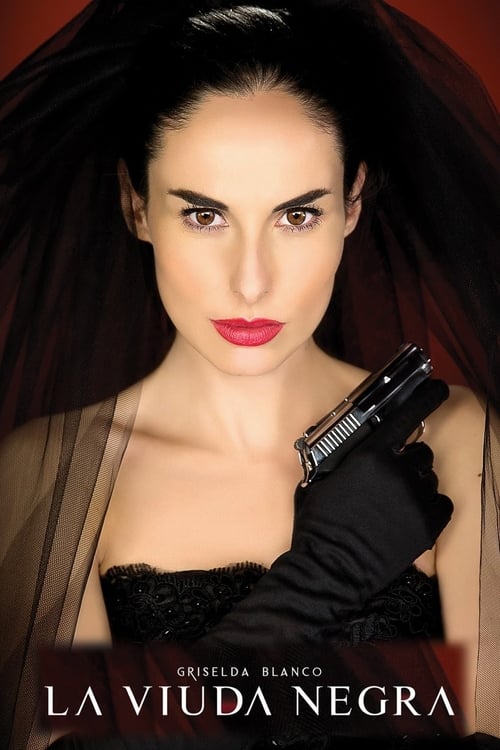
Griselda Blanco, known as the Black Widow, is introduced in the early 1970s in Colombia, where she is a young woman living in poverty. She is determined to escape her circumstances and begins her journey into the drug trade. Griselda's ambition is fueled by her desire for wealth and power, and she quickly becomes involved in smuggling cocaine into the United States. Her early encounters with the drug trade reveal her cunning and ruthless nature, as she is willing to do whatever it takes to rise to the top.
As Griselda establishes her drug operation, she moves to Miami, where the drug scene is booming. She becomes a key player in the cocaine trade, using her charm and intelligence to manipulate those around her. Griselda's relationships with men are complex; she uses them to further her ambitions but also struggles with trust and betrayal. Her first husband, Carlos, is introduced, and their tumultuous relationship showcases her fierce independence and unwillingness to be controlled.
Griselda's rise to power is marked by violence and betrayal. She faces challenges from rival drug dealers and law enforcement, leading to a series of confrontations. One significant event occurs when Griselda orchestrates a brutal attack on a rival dealer, showcasing her willingness to eliminate threats. This act solidifies her reputation as a formidable force in the drug world, but it also attracts the attention of law enforcement, who begin to close in on her operations.
As Griselda's empire grows, so does her paranoia. She becomes increasingly isolated, trusting fewer people and relying on her own instincts. Her relationship with her children is strained, as her obsession with power takes precedence over her family life. Griselda's internal conflict is palpable; she grapples with the consequences of her choices while still pursuing her ambitions.
The narrative takes a darker turn when Griselda's actions lead to the death of a close associate. This loss deeply affects her, and she begins to question her path. However, instead of retreating, she doubles down on her criminal activities, believing that the only way to maintain her power is through further violence. This decision leads to a series of escalating confrontations with both rivals and law enforcement.
In a pivotal moment, Griselda is arrested during a major drug bust. The scene is tense, with law enforcement executing a well-coordinated raid on her operation. Griselda's initial shock quickly turns to defiance as she refuses to cooperate with authorities. Her time in prison is marked by reflection, but she remains determined to reclaim her empire upon her release.
After serving her time, Griselda returns to Miami, but the landscape has changed. Rival factions have taken over, and she must navigate a new world where her previous power is no longer guaranteed. Griselda's desperation leads her to make risky alliances, and she begins to plot her comeback. Her emotional state is one of anger and betrayal, as she feels the world has turned against her.
The climax of the story unfolds as Griselda orchestrates a violent takeover of her former territory. She confronts her rivals in a series of brutal encounters, showcasing her ruthless tactics. The violence escalates, leading to a bloody showdown that leaves many dead. Griselda's determination to reclaim her throne is evident, but the cost of her actions weighs heavily on her.
In the final act, Griselda's past catches up with her. She faces betrayal from those she once trusted, leading to a dramatic confrontation that culminates in her downfall. The emotional weight of her choices is palpable as she realizes the extent of her isolation. The series concludes with Griselda's legacy as a powerful yet tragic figure in the world of drug trafficking, leaving a lasting impact on those around her.









What is the ending?
In the ending of "Griselda Blanco: The Black Widow," Griselda's reign comes to a violent conclusion as she faces the consequences of her criminal lifestyle. The film culminates in her assassination, highlighting the dangers of her world and the betrayal that surrounds her. The final scenes depict her life unraveling, leading to her tragic demise.
As the final act unfolds, the atmosphere is tense and foreboding. Griselda, portrayed with a mix of confidence and vulnerability, navigates the treacherous waters of her criminal empire. She is aware that her enemies are closing in, yet she remains defiant, clinging to her power and influence.
Scene by scene, the narrative progresses:
The first scene of the climax opens in Griselda's lavish home, where she is surrounded by her loyal associates. The opulence of her surroundings starkly contrasts with the danger that looms outside. Griselda, dressed in her signature bold attire, exudes an air of authority, but there is a flicker of anxiety in her eyes. She receives a phone call that hints at betrayal, but she brushes it off, convinced of her invincibility.
In the next scene, we see Griselda's son, who has been a source of both pride and concern for her. Their relationship is strained, filled with unspoken fears and expectations. He warns her about the growing threats, but Griselda dismisses his concerns, believing that her power will protect her. This moment reveals her internal conflict; she is torn between her maternal instincts and her ruthless ambition.
The tension escalates as Griselda attends a meeting with her associates. The atmosphere is charged with unease, and whispers of betrayal circulate among the group. Griselda, ever the strategist, tries to maintain control, but the cracks in her empire are beginning to show. The camera captures her steely resolve, but also the flicker of doubt that crosses her face.
As night falls, the scene shifts to a dimly lit street where Griselda is ambushed. The sound of gunfire shatters the silence, and chaos ensues. Griselda's bravado is stripped away as she realizes the gravity of her situation. She fights back, but the odds are against her. The visceral nature of the violence is palpable, and the audience feels the weight of her choices.
In the final moments, Griselda is confronted by her betrayers. The betrayal is swift and brutal, and she is left vulnerable, stripped of her power. The camera lingers on her face, capturing a mix of shock and resignation as she understands that her life of crime has led her to this inevitable end. The scene fades to black as the sound of gunfire echoes, symbolizing the finality of her choices.
In the aftermath, the fate of the main characters is revealed. Griselda's son is left to grapple with the loss of his mother and the legacy of her actions. The associates who once stood by her side are now scattered, some facing their own consequences, while others seek to fill the void left by her absence. The film closes on a haunting note, emphasizing the cycle of violence and betrayal that defined Griselda's life, leaving the audience to reflect on the cost of power and ambition.
Is there a post-credit scene?
In the 2014 TV show "Griselda Blanco: The Black Widow," there is no post-credit scene. The series concludes without any additional scenes after the credits, focusing instead on the life and legacy of Griselda Blanco, her rise in the drug trade, and the impact of her actions on those around her. The narrative wraps up with a strong emphasis on her character's complexities and the consequences of her choices, leaving viewers with a sense of closure regarding her tumultuous life.
What motivates Griselda Blanco to become involved in the drug trade?
Griselda Blanco, portrayed as a fiercely ambitious and determined woman, is driven by her tumultuous upbringing in Colombia, where poverty and violence shaped her worldview. Her desire for power, wealth, and respect fuels her entry into the drug trade, as she seeks to escape her past and assert her dominance in a male-dominated world.
How does Griselda's relationship with her children impact her decisions throughout the series?
Griselda's relationship with her children is complex and fraught with tension. While she loves them deeply and wants to provide a better life, her criminal activities often put them in danger. This duality creates internal conflict for Griselda, as she struggles between her maternal instincts and her ruthless ambition, leading to moments of vulnerability and fierce protectiveness.
What role does the character of Alberto Bravo play in Griselda's rise to power?
Alberto Bravo serves as both a partner and a rival to Griselda Blanco. Initially, he supports her ambitions and helps her establish her drug empire, but as their relationship becomes strained due to power struggles and betrayal, he becomes a significant obstacle. His eventual betrayal highlights the precarious nature of alliances in the drug trade and propels Griselda into a more ruthless phase of her criminal career.
How does Griselda Blanco's character evolve throughout the series?
Throughout the series, Griselda Blanco evolves from a cunning but relatively small-time player to one of the most feared drug lords in the world. Her transformation is marked by increasing ruthlessness, as she eliminates rivals and navigates the treacherous landscape of the drug trade. This evolution is driven by her desire for power and control, but it also reveals her vulnerabilities and the emotional toll of her choices.
What are the key events that lead to Griselda's downfall?
Key events leading to Griselda's downfall include her escalating violence against rivals, which draws the attention of law enforcement, and her strained relationships with allies and family. The betrayal by those closest to her, coupled with her increasing paranoia and isolation, ultimately contribute to her undoing. These events illustrate the consequences of her ruthless pursuit of power and the fragility of her empire.
Is this family friendly?
"Griselda Blanco: The Black Widow" is not considered family-friendly due to its mature themes and content. The show contains several potentially objectionable or upsetting aspects, including:
-
Violence: The series depicts graphic scenes of drug-related violence, including shootings and murders, which may be disturbing to viewers.
-
Drug Use: There are portrayals of drug trafficking and the lifestyle associated with it, including the use and distribution of illegal substances.
-
Crime and Criminal Behavior: The narrative revolves around organized crime, showcasing the moral complexities and consequences of such a lifestyle.
-
Sexual Content: The show includes scenes that may feature sexual situations or suggestive themes, which may not be suitable for younger audiences.
-
Emotional Turmoil: Characters experience intense emotional struggles, including betrayal, loss, and the impact of a violent lifestyle on family dynamics, which could be upsetting for sensitive viewers.
Overall, the series is intended for mature audiences and may not be appropriate for children or those who are sensitive to such themes.