





Popular
What are the main motivations behind Pope Pius XIII's character?
How does the relationship between Pope Pius XIII and Cardinal Voiello evolve throughout the series?
What role does Sister Mary play in Pope Pius XIII's life and decisions?
How does the character of Dussolier impact the narrative and Pope Pius XIII's journey?
What is the significance of the recurring theme of childhood in Pope Pius XIII's backstory?
Should I watch it?
Ask Your Own Question

What is the plot?
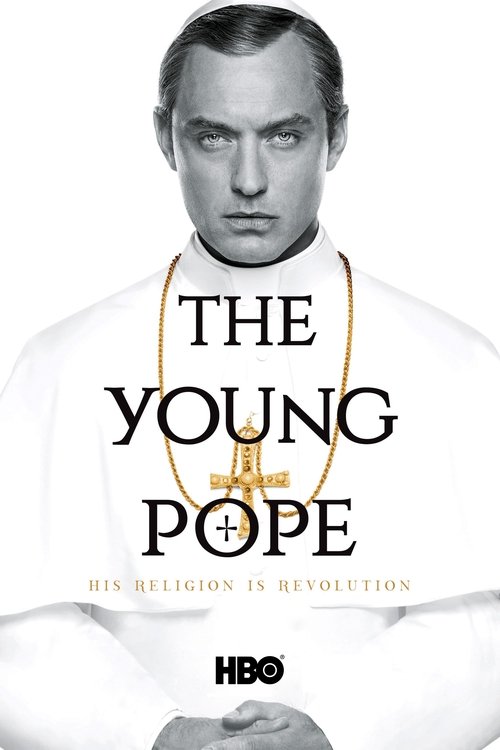
The series begins with the election of Lenny Belardo, a 47-year-old American cardinal, as Pope Pius XIII. The conclave is filled with tension as the cardinals debate the future of the Church. Lenny, who is unexpectedly chosen, is a controversial figure due to his unconventional views and his past as a media-savvy, charismatic leader. He is introduced to the world as the first American pope, and his election shocks many, including the cardinals who had hoped for a more traditional choice.
As Lenny takes on the papacy, he immediately establishes his authority by rejecting the advice of his closest advisors, including Cardinal Angelo Voiello, the Secretary of State. Lenny's first public address is strikingly conservative, emphasizing traditional Catholic values and a return to the Church's roots. He expresses a desire to be a pope who is both loved and feared, setting the tone for his reign. His enigmatic personality and unpredictable decisions create a sense of unease among the cardinals and the Vatican staff.
Lenny's relationship with Sister Mary, his childhood friend and confidante, is central to his character. She is one of the few people who understands him and his motivations. Their interactions reveal Lenny's vulnerability and his struggle with the weight of his new responsibilities. Sister Mary is devoted to him, but she also worries about the direction he is taking the Church. Lenny's isolation grows as he distances himself from those around him, including his advisors, who begin to question his leadership.
As the series progresses, Lenny's past is explored through flashbacks, revealing his troubled childhood and the trauma he experienced. He grapples with feelings of abandonment and a deep-seated fear of intimacy. These flashbacks provide context for his complex personality and his often harsh demeanor. Lenny's internal conflicts manifest in his interactions with others, particularly with Cardinal Voiello, who becomes increasingly frustrated with Lenny's refusal to conform to traditional expectations.
Lenny's papacy is marked by a series of controversial decisions, including his stance on homosexuality and abortion. He publicly condemns these issues, which alienates many within the Church and the broader public. His rigid views lead to protests and backlash, but Lenny remains steadfast, believing he is fulfilling a divine mission. This creates a rift between him and the more progressive cardinals, who fear for the Church's future under his leadership.
A significant plot point occurs when Lenny decides to confront the issue of the Church's sexual abuse scandals. He takes a hardline approach, refusing to protect the accused and demanding accountability. This decision puts him at odds with powerful figures within the Church, including Cardinal Voiello, who fears the repercussions of such actions. Lenny's determination to address these issues reflects his desire to reform the Church, but it also deepens the conflict between him and his advisors.
As tensions rise, Lenny's mental state begins to deteriorate. He experiences moments of doubt and paranoia, questioning the loyalty of those around him. His isolation becomes more pronounced, and he struggles with the burden of leadership. Lenny's relationship with Sister Mary becomes strained as she tries to reach out to him, but he pushes her away, believing he must face his demons alone.
In a pivotal moment, Lenny has a vision of God, which profoundly impacts his outlook on his papacy. This experience leads him to reconsider his approach to leadership and his relationship with the Church. He begins to soften his stance on certain issues, showing a more compassionate side that surprises those around him. However, this change is met with skepticism from the cardinals, who are unsure of his sincerity.
The series culminates in a dramatic confrontation between Lenny and Cardinal Voiello. Voiello, feeling threatened by Lenny's unpredictability, attempts to undermine him by rallying support from other cardinals. Lenny, however, anticipates this move and counters with a bold declaration of his authority, reaffirming his position as pope. This power struggle highlights the ongoing conflict within the Church and the challenges Lenny faces as he navigates his role.
In the final episodes, Lenny's journey comes full circle as he confronts his fears and insecurities. He begins to embrace his role as a leader, finding a balance between his personal beliefs and the expectations of the Church. The series ends on an ambiguous note, leaving Lenny's future and the direction of the Church uncertain, but hinting at a potential for growth and change.




What is the ending?
In the ending of "The Young Pope," Pope Pius XIII, also known as Lenny Belardo, faces a personal and spiritual crisis. He ultimately decides to embrace his role as a leader, reconciling with his past and the people around him. The series concludes with a sense of ambiguity regarding his future, leaving viewers to ponder the complexities of faith and power.
As the final episodes unfold, we see Lenny Belardo, the Young Pope, grappling with the weight of his papacy. He has become increasingly isolated, both by his own choices and the machinations of those around him. The tension between his desire for control and the expectations of the Church creates a palpable atmosphere of conflict.
In a pivotal scene, Lenny confronts Cardinal Voiello, who has been a constant adversary and ally throughout his papacy. Their conversation is charged with unspoken emotions, revealing Lenny's vulnerability beneath his stoic exterior. He acknowledges the loneliness that comes with his position, yet he remains resolute in his beliefs. This moment highlights Lenny's internal struggle; he is torn between the power he wields and the isolation it brings.
As the series progresses, Lenny's relationship with Sister Mary becomes increasingly significant. She has been a steadfast supporter, and their bond deepens as they navigate the complexities of faith and leadership together. In a poignant scene, Lenny confides in her, revealing his fears and doubts. Sister Mary, embodying compassion and understanding, reassures him, emphasizing the importance of love and connection in the face of adversity.
The climax of the series occurs during a grand public address, where Lenny delivers a powerful message to the faithful. His speech is a culmination of his journey, reflecting his growth and acceptance of his role as Pope. He speaks of love, forgiveness, and the need for humanity to embrace its flaws. The audience is captivated, and for a moment, Lenny transcends his own struggles, connecting deeply with those who look to him for guidance.
In the final scenes, Lenny's fate remains uncertain. He gazes out over the Vatican, contemplating the future of his papacy and the Church. The camera lingers on his face, capturing a mix of determination and vulnerability. The series closes with a sense of ambiguity, leaving viewers to reflect on the complexities of faith, power, and the human experience.
Cardinal Voiello, who has been both a rival and a confidant, is left to navigate the aftermath of Lenny's decisions. His character arc concludes with a sense of resignation, as he realizes the depth of Lenny's convictions and the challenges that lie ahead for the Church.
Sister Mary, having played a crucial role in Lenny's journey, remains by his side, embodying the enduring power of love and support. Her fate is intertwined with Lenny's, suggesting that their bond will continue to influence the future of the papacy.
In summary, the ending of "The Young Pope" encapsulates the intricate dynamics of faith, power, and personal growth, leaving the audience with a profound sense of contemplation about the nature of leadership and the human condition.
Is there a post-credit scene?
The Young Pope does not have a post-credit scene. The series concludes with its final episode, leaving viewers with a sense of ambiguity and contemplation regarding the character of Pope Pius XIII, played by Jude Law. The ending focuses on the themes of faith, power, and the complexities of the papacy, rather than providing additional scenes or resolutions after the credits. The narrative wraps up with a poignant moment that encapsulates the internal struggles and the enigmatic nature of the Pope, inviting reflection rather than offering a traditional post-credit reveal.
What are the main motivations behind Pope Pius XIII's character?
Pope Pius XIII, played by Jude Law, is driven by a complex mix of ambition, a desire for control, and a deep-seated need for love and acceptance. His motivations are often shrouded in mystery, as he oscillates between a seemingly cold, authoritarian demeanor and moments of vulnerability. He seeks to redefine the Church's image, often clashing with traditionalists, while also grappling with his own insecurities and the weight of his papal responsibilities.
How does the relationship between Pope Pius XIII and Cardinal Voiello evolve throughout the series?
The relationship between Pope Pius XIII and Cardinal Voiello, portrayed by Silvio Orlando, is marked by tension and power struggles. Initially, Voiello, the Secretary of State, believes he can manipulate the young pope, but as Pius XIII asserts his authority, Voiello's position becomes precarious. Their dynamic shifts from one of mentor and mentee to adversaries, with Voiello often caught between his loyalty to the Church and his desire to maintain influence over the pope.
What role does Sister Mary play in Pope Pius XIII's life and decisions?
Sister Mary, played by Diane Keaton, serves as a confidante and maternal figure to Pope Pius XIII. Her unwavering support and deep understanding of his character provide him with a sense of stability amidst the chaos of his papacy. She often acts as a moral compass, challenging him to confront his vulnerabilities and the implications of his decisions, while also being a source of emotional grounding for him.
How does the character of Dussolier impact the narrative and Pope Pius XIII's journey?
Dussolier, a young priest portrayed by Javier Cámara, represents the idealism and hope of the Church's future. His interactions with Pope Pius XIII highlight the generational divide within the Church. Dussolier's faith and innocence challenge the pope's cynicism and provoke moments of introspection. His character serves as a catalyst for Pius XIII to confront his own beliefs and the direction he wishes to take the Church.
What is the significance of the recurring theme of childhood in Pope Pius XIII's backstory?
The theme of childhood is pivotal in understanding Pope Pius XIII's psyche. Flashbacks reveal his troubled upbringing, marked by abandonment and emotional neglect, which profoundly shape his worldview and relationships. This backstory informs his actions as pope, as he often grapples with feelings of isolation and a longing for connection. The exploration of his childhood serves to humanize him, revealing the vulnerabilities that lie beneath his authoritative exterior.
Is this family friendly?
"The Young Pope," produced in 2016, is not considered family-friendly due to several potentially objectionable or upsetting scenes and themes. Here are some aspects that may be concerning for children or sensitive viewers:
-
Religious Themes: The show delves deeply into complex religious themes, including the nature of faith, doubt, and the power dynamics within the Catholic Church, which may be confusing or unsettling for younger audiences.
-
Sexual Content: There are scenes that imply sexual relationships and explore themes of sexuality, which may not be appropriate for children.
-
Strong Language: The dialogue includes instances of strong language that may not be suitable for younger viewers.
-
Moral Ambiguity: The characters often grapple with moral dilemmas and ethical questions, leading to intense emotional conflicts that may be difficult for children to understand.
-
Dark Themes: The series addresses themes of loneliness, power struggles, and existential crises, which can be heavy and potentially distressing.
-
Violence and Threats: There are moments that involve threats of violence or depict the darker sides of human nature, which could be alarming.
-
Psychological Tension: The emotional and psychological tension between characters can create a heavy atmosphere that may be overwhelming for sensitive viewers.
Overall, the series is intended for a mature audience and contains elements that may not be suitable for children or those who are sensitive to such themes.