


Popular
What are the main characteristics of Mônica's personality and how do they influence her interactions with other characters?
How does Cebolinha's speech impediment affect his relationships with his friends?
What role does Cascão's fear of water play in the storylines, and how does it affect his friendships?
How does Magali's love for food influence her character development and interactions with others?
What are some key conflicts between Mônica and Cebolinha, and how do they resolve throughout the series?
Should I watch it?
Ask Your Own Question

What is the plot?
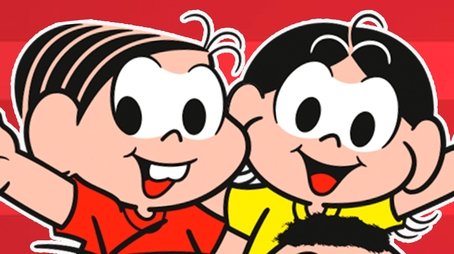
In the 1976 television show "Turma da Mônica," the story begins in a vibrant neighborhood where a group of children, led by the spirited Mônica, engages in various adventures. Mônica, characterized by her iconic red dress and her strong personality, often finds herself in playful conflicts with her friends, particularly Cebolinha, who is known for his mischievous schemes and his speech impediment that causes him to replace "R" with "L."
The first major event unfolds when Mônica and her friends, including the timid Magali, who has an insatiable appetite, and the clever Cascão, who is afraid of water, decide to play a game of tag in the park. Mônica, being the strongest, takes on the role of the "it" player. As she chases her friends, the scene is filled with laughter and excitement, showcasing their camaraderie and the carefree nature of childhood.
As the game progresses, Cebolinha devises a plan to outsmart Mônica. He gathers his friends and proposes a strategy to distract her. They create a diversion by pretending to play a different game, which momentarily confuses Mônica. However, she quickly catches on and resumes her pursuit, demonstrating her determination and competitive spirit. This sequence highlights the playful rivalry between Mônica and Cebolinha, setting the tone for their ongoing interactions.
In another scene, the children encounter a mysterious old man who claims to have magical powers. Intrigued, they gather around him, eager to hear his stories. The old man tells them about a hidden treasure in the neighborhood, sparking their imaginations and igniting a sense of adventure. Mônica, always the leader, suggests they embark on a treasure hunt, and the group enthusiastically agrees, each child motivated by the prospect of finding the treasure.
The treasure hunt begins with the children following a series of clues left by the old man. They traverse through various locations in their neighborhood, including the park, the schoolyard, and even Cascão's house, where they face humorous challenges. For instance, they must navigate through a muddy area, which causes Cascão to panic, while Mônica encourages him to overcome his fears. This moment showcases Mônica's leadership qualities and her ability to inspire her friends.
As they continue their search, they encounter obstacles that test their friendship. Cebolinha, in an attempt to claim the treasure for himself, tries to mislead the group by altering the clues. However, Mônica's intuition and determination help them stay on track. The tension rises as the group debates whether to trust Cebolinha, but ultimately, they decide to stick together, emphasizing the importance of teamwork.
The climax of the treasure hunt occurs when they finally reach the location indicated by the last clue, which leads them to a large tree in the park. They dig excitedly at the base of the tree, and after a few moments of effort, they uncover a small chest. The children gather around, their faces filled with anticipation and excitement. When they open the chest, they find it filled with old toys and trinkets, rather than gold or jewels. Initially disappointed, they soon realize that the true treasure was the adventure they shared and the memories they created together.
In the final scenes, the children reflect on their day, laughing and recounting their favorite moments from the treasure hunt. Mônica, Cebolinha, Magali, and Cascão sit together under the tree, their bond strengthened by the day's events. The show concludes with a sense of joy and friendship, encapsulating the essence of childhood adventures and the importance of camaraderie.









What is the ending?
In the ending of the 1976 TV show "Turma da Mônica," the characters find themselves in a series of lighthearted adventures that emphasize friendship and teamwork. The episode concludes with Mônica, Cebolinha, Cascão, and Magali coming together to resolve their differences and celebrate their bond, showcasing the importance of unity and camaraderie.
As the final scenes unfold, the characters engage in playful antics, reinforcing their relationships and the joy of being together. The episode wraps up with a cheerful atmosphere, leaving the audience with a sense of warmth and happiness.
The ending of "Turma da Mônica" begins with a bright, sunny day in the neighborhood where Mônica and her friends live. The camera pans over the vibrant landscape, filled with lush green trees and colorful flowers, setting a cheerful tone. Mônica, with her signature red dress and a determined expression, gathers her friends--Cebolinha, who is always scheming with his trademark mischief; Cascão, the boy who avoids water at all costs; and Magali, the food-loving girl with an infectious smile.
Scene 1: The group is at the park, where they have decided to organize a fun game. Mônica, excited and full of energy, suggests a friendly competition. Cebolinha, with a glint of mischief in his eyes, proposes a race, hoping to outsmart Mônica and claim victory. The others cheer, and the atmosphere is filled with laughter and anticipation.
Scene 2: As the race begins, the characters dash off, each showcasing their unique personalities. Mônica runs with determination, her pigtails bouncing behind her. Cebolinha tries to take shortcuts, while Cascão, despite his aversion to getting dirty, pushes himself to keep up. Magali, ever the optimist, encourages everyone, shouting words of support as she munches on a snack.
Scene 3: Midway through the race, a small obstacle--a muddy puddle--appears. Cebolinha, trying to avoid it, slips and falls, causing a chain reaction where Cascão also tumbles down. Mônica stops, her competitive spirit momentarily set aside, and rushes to help her friends. This moment highlights her caring nature, as she extends a hand to Cebolinha, who is initially frustrated but soon laughs at the situation.
Scene 4: The friends gather together, covered in mud but laughing heartily. They realize that winning isn't everything; the joy of being together and supporting one another is what truly matters. Magali suggests they all get cleaned up and have a picnic instead, which excites everyone. The camera captures their smiles, emphasizing the bond they share.
Scene 5: The final scene transitions to a picnic setup under a large tree. The characters sit on a colorful blanket, sharing food and stories. Mônica playfully teases Cebolinha about his failed race strategy, while Cascão and Magali share their favorite snacks. The laughter echoes, and the warmth of friendship envelops them.
As the episode concludes, the screen fades to a bright, cheerful image of the group together, reinforcing the message of unity and the importance of friendship. Each character, despite their quirks and differences, finds joy in their connection, leaving the audience with a heartwarming sense of community and happiness. The fate of each character is one of contentment and camaraderie, as they celebrate their friendship in a world filled with fun and adventure.
Is there a post-credit scene?
The 1976 television show "Turma da Mônica" does not feature post-credit scenes. The episodes typically conclude with a light-hearted wrap-up, often involving the characters sharing a final joke or a moral lesson related to the story. The focus remains on the adventures and interactions of Mônica, Cebolinha, Cascão, and Magali, emphasizing friendship and childhood experiences. Each episode ends on a cheerful note, inviting viewers to reflect on the fun and lessons learned without any additional scenes after the credits.
What are the main characteristics of Mônica's personality and how do they influence her interactions with other characters?
Mônica is portrayed as a strong-willed and assertive girl, often displaying a fierce determination to protect her friends and stand up against bullies. Her iconic weapon, a stuffed bunny named 'Sansão,' symbolizes her strength and serves as a source of comfort. Mônica's interactions are often marked by her fiery temper, especially when provoked, which leads to humorous conflicts with characters like Cebolinha, who frequently tries to outsmart her.
How does Cebolinha's speech impediment affect his relationships with his friends?
Cebolinha, known for his unique way of speaking where he replaces 'R' with 'L,' often finds himself in comedic situations due to misunderstandings. His speech impediment not only adds humor but also shapes his identity within the group. Despite his attempts to devise clever plans to defeat Mônica, his mispronunciations often lead to unintended consequences, showcasing his vulnerability and endearing him to the audience.
What role does Cascão's fear of water play in the storylines, and how does it affect his friendships?
Cascão's aversion to water is a recurring theme that drives many plotlines. His fear often leads to humorous escapades, such as avoiding baths or swimming pools, which creates tension with his friends who enjoy water activities. This fear also highlights his character's insecurities, as he often feels left out, yet his friends, particularly Mônica and Cebolinha, support him, showcasing the strength of their friendship despite his quirks.
How does Magali's love for food influence her character development and interactions with others?
Magali's insatiable appetite is a defining trait that not only provides comic relief but also serves as a lens through which her character is explored. Her love for food often leads to humorous situations, such as stealing snacks or daydreaming about meals. This obsession also reflects her carefree and joyful nature, allowing her to bond with her friends over shared meals, while also creating moments of conflict when her hunger disrupts their plans.
What are some key conflicts between Mônica and Cebolinha, and how do they resolve throughout the series?
The conflicts between Mônica and Cebolinha often stem from Cebolinha's schemes to outsmart Mônica, which usually backfire due to her strength and determination. These confrontations are filled with playful banter and physical comedy, showcasing their dynamic relationship. Despite their rivalry, moments of resolution often occur when they unite against a common challenge, highlighting the underlying friendship and mutual respect that develops over time.
Is this family friendly?
The 1976 TV show "Turma da Mônica" is generally considered family-friendly, aimed primarily at children. The series features light-hearted adventures and humorous situations involving the beloved characters created by Maurício de Sousa. However, there are a few aspects that might be considered potentially objectionable or upsetting for some children or sensitive viewers:
-
Conflict and Rivalry: The show often depicts playful rivalries among characters, such as Mônica and Cebolinha, which can lead to moments of frustration or anger. While these conflicts are resolved in a humorous way, some children might find the arguments upsetting.
-
Mônica's Temper: Mônica, known for her strong personality, sometimes displays anger or frustration, especially when provoked. Her reactions can be intense, which might be alarming for very young viewers.
-
Physical Comedy: The series includes slapstick humor, such as characters getting hit or falling down. While this is typically portrayed in a comedic light, some sensitive viewers might find it distressing.
-
Mild Bullying: There are instances of teasing and mild bullying among the characters, particularly directed at Mônica due to her strength and assertiveness. This could be concerning for children who have experienced similar situations.
-
Emotional Upset: Characters occasionally experience feelings of sadness or disappointment, particularly when friendships are tested. These emotional moments, while relatable, might resonate deeply with sensitive viewers.
Overall, while "Turma da Mônica" is designed to entertain and educate children, parents may want to watch alongside younger viewers to discuss any themes that arise.