









Popular
What motivates Blue Demon to become a luchador?
How does Blue Demon deal with the betrayal from his closest allies?
What role does the character of El Santo play in Blue Demon's journey?
How does Blue Demon confront the supernatural elements in the series?
What is the significance of Blue Demon's mask in the story?
Should I watch it?
Ask Your Own Question

What is the plot?
The story begins with a flashback to the childhood of the protagonist, Blue Demon, also known as Alejandro, who is a young boy fascinated by wrestling. He idolizes his father, a famous luchador, and dreams of following in his footsteps. The scene shifts to Alejandro's present life, where he is now a successful wrestler, known for his blue mask and heroic persona. He is deeply committed to his family, especially his wife, who supports his wrestling career.
As Alejandro continues to rise in popularity, he faces challenges from rival wrestlers who are envious of his success. One of these rivals is a sinister figure named El Maligno, who is determined to take Alejandro down. El Maligno employs underhanded tactics, including intimidation and sabotage, to undermine Alejandro's reputation and career. Alejandro remains focused on his family and wrestling, but the pressure begins to mount.
In a pivotal match, Alejandro faces off against El Maligno. The atmosphere is electric, with fans cheering and the stakes high. During the match, El Maligno resorts to dirty tricks, using weapons and attempting to injure Alejandro. Despite the odds, Alejandro fights back with determination, showcasing his skills and resilience. The match culminates in a dramatic finish, with Alejandro emerging victorious, but not without sustaining injuries.
Following the match, Alejandro's personal life begins to unravel. He struggles to balance his wrestling career with his responsibilities as a husband and father. His wife expresses concern over his safety and the toll that wrestling is taking on their family life. Alejandro, feeling the weight of his dual roles, becomes increasingly frustrated and distant, leading to tension in their relationship.
As Alejandro grapples with his personal demons, El Maligno intensifies his campaign against him. He orchestrates a series of attacks, targeting Alejandro's family and friends. This escalates the conflict, pushing Alejandro to confront El Maligno directly. In a tense confrontation, Alejandro learns that El Maligno has a personal vendetta against him, stemming from a past incident involving their families.
Determined to protect his loved ones, Alejandro seeks the help of his fellow wrestlers and allies. They devise a plan to confront El Maligno and put an end to his reign of terror. The plan involves a high-stakes wrestling match where Alejandro will face El Maligno once again, this time with everything on the line. The match is set to take place in a large arena, drawing a massive crowd.
On the day of the match, the atmosphere is charged with anticipation. Alejandro enters the ring, his heart pounding as he faces El Maligno, who is more ruthless than ever. The match begins with both wrestlers exchanging blows, showcasing their athleticism and skill. El Maligno employs dirty tactics, but Alejandro remains focused, drawing strength from his family and fans.
As the match progresses, Alejandro finds himself on the brink of defeat. However, he recalls the support of his loved ones and the values instilled in him by his father. In a moment of clarity, he channels his inner strength and turns the tide of the match. With a series of powerful moves, Alejandro gains the upper hand, ultimately defeating El Maligno in a spectacular finish.
With El Maligno defeated, Alejandro's victory is bittersweet. He realizes the toll that wrestling has taken on his family and vows to prioritize them moving forward. The final scenes depict Alejandro reconciling with his wife and children, reaffirming his commitment to them. The series concludes with Alejandro embracing his role as a family man while still honoring his passion for wrestling, symbolizing a new chapter in his life.






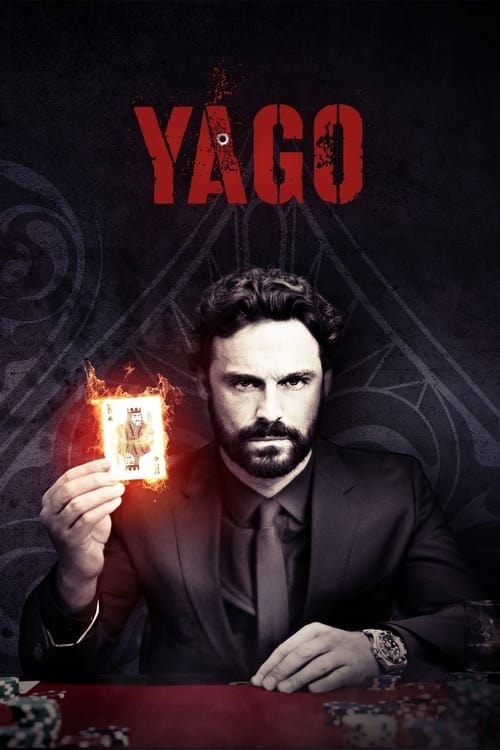


What is the ending?
In the ending of the TV show "Blue Demon," the protagonist, Blue Demon, faces off against his ultimate adversary, the evil Dr. Wagner. The battle culminates in a dramatic showdown where Blue Demon must confront not only the physical threat posed by Dr. Wagner but also the emotional turmoil stemming from his past. Ultimately, Blue Demon emerges victorious, but the victory comes at a cost, as he must grapple with the consequences of his actions and the sacrifices made along the way. The series concludes with Blue Demon reaffirming his commitment to justice and his role as a hero, while also leaving room for reflection on the personal toll of his battles.
As the final episodes unfold, the tension escalates. The scene opens in a dimly lit arena, where the atmosphere is thick with anticipation. Blue Demon stands in the center, his mask gleaming under the harsh lights, embodying both strength and vulnerability. The crowd roars, but Blue Demon's focus is solely on Dr. Wagner, who looms ominously across the ring, a sinister smile playing on his lips.
The camera shifts to Blue Demon's face, revealing a mix of determination and fear. He recalls the sacrifices he has made, the friends he has lost, and the weight of his responsibilities as a hero. This internal struggle is palpable, as he knows that this fight is not just about defeating an enemy; it's about protecting everything he holds dear.
As the bell rings, the two combatants charge at each other, their movements a blur of speed and agility. The sound of fists colliding echoes through the arena, punctuated by the gasps of the audience. Blue Demon's agility allows him to dodge Dr. Wagner's powerful strikes, but he is not without his own injuries. Each blow he lands is fueled by the memories of his fallen comrades, and the stakes feel higher than ever.
The fight intensifies, and the scene shifts to a flashback of Blue Demon's past, showing moments of joy and pain, highlighting his journey from a young man with dreams to a seasoned fighter burdened by loss. This juxtaposition serves to deepen the audience's understanding of his character, revealing the emotional stakes behind his physical battle.
Back in the present, Blue Demon finds himself cornered, and for a moment, doubt creeps in. He remembers the words of his mentor, urging him to fight not just for himself but for those who cannot. This moment of clarity reignites his resolve, and he launches a final, desperate attack against Dr. Wagner. The clash is fierce, and the arena is filled with the sounds of the crowd, a cacophony of hope and fear.
In a climactic moment, Blue Demon executes a signature move, a combination of skill and heart, which finally brings Dr. Wagner to his knees. The villain's defeat is not just physical; it symbolizes the triumph of good over evil, the light overcoming darkness. As Dr. Wagner lies defeated, the camera captures Blue Demon's expression--a mix of relief and sorrow, knowing that while he has won, the battle has taken its toll.
The final scenes show Blue Demon standing in the center of the ring, the crowd erupting in cheers. Yet, amidst the celebration, he reflects on the cost of his victory. The camera pans to his allies, who have supported him throughout his journey, each one bearing their own scars from the fight. They share a moment of camaraderie, but there is an unspoken understanding of the sacrifices made.
As the series concludes, Blue Demon walks away from the arena, his silhouette framed against the setting sun. He is a hero, but he is also a man who has faced the darkness within and around him. The final shot lingers on his mask, a symbol of his dual identity, as he steps into the future, ready to continue his fight for justice, but forever changed by the battles he has fought.
In the end, Blue Demon's fate is one of resilience and commitment to his cause, while Dr. Wagner's defeat serves as a reminder of the consequences of evil. The series closes with a sense of hope, but also a recognition of the ongoing struggle between light and darkness, leaving the audience with a poignant reflection on heroism and sacrifice.
Is there a post-credit scene?
In the 2016 TV show "Blue Demon," there is indeed a post-credit scene that adds an intriguing layer to the narrative. After the main credits roll, the scene opens in a dimly lit room filled with shadows, creating an atmosphere of suspense. The camera pans slowly to reveal a figure cloaked in darkness, their face obscured.
As the figure steps into the light, it becomes clear that it is a new character, a mysterious antagonist who has been hinted at throughout the series. This character exudes a sense of menace, their eyes glinting with a sinister determination. They are seen examining a collection of photographs and documents related to Blue Demon and his allies, indicating a deep interest in their activities and a potential threat looming over them.
The scene is charged with tension as the character mutters to themselves about the need to eliminate Blue Demon once and for all, revealing their motivations rooted in revenge and ambition. The camera zooms in on a particular photograph of Blue Demon in action, showcasing his heroic persona, which contrasts sharply with the dark intentions of the new character.
As the scene concludes, the screen fades to black, leaving viewers with a sense of foreboding and anticipation for the conflicts that may arise in future episodes. This post-credit moment effectively sets the stage for new challenges and deepens the overarching narrative of the series, emphasizing the ongoing battle between good and evil.
What motivates Blue Demon to become a luchador?
Blue Demon, originally known as Alejandro Muñoz, is driven by a deep desire to honor his family's legacy and uphold the values of justice and bravery. His internal struggle is amplified by the tragic loss of his father, who was also a luchador. This loss instills in him a sense of responsibility to protect the innocent and fight against corruption, which becomes a central theme in his journey.
How does Blue Demon deal with the betrayal from his closest allies?
Throughout the series, Blue Demon faces betrayal from those he trusts, particularly from his childhood friend, who becomes envious of his success. This betrayal deeply wounds him, leading to feelings of isolation and doubt. He grapples with the emotional turmoil of feeling abandoned, yet he ultimately resolves to rise above the betrayal, using it as motivation to become a stronger luchador and a better leader.
What role does the character of El Santo play in Blue Demon's journey?
El Santo serves as both a mentor and a symbol of aspiration for Blue Demon. Their relationship is complex; while El Santo embodies the ideals of heroism and honor, he also represents the pressures and expectations that come with being a luchador. Blue Demon often reflects on El Santo's teachings, which guide him through his challenges, and their eventual confrontation highlights the struggle between legacy and personal identity.
How does Blue Demon confront the supernatural elements in the series?
As Blue Demon navigates his career, he encounters various supernatural elements, including mythical creatures and dark forces that threaten his world. These encounters force him to confront his fears and question his beliefs. His emotional state fluctuates between skepticism and belief, as he struggles to reconcile the reality of his luchador life with the fantastical elements that emerge, ultimately leading him to embrace his role as a protector against these dark forces.
What is the significance of Blue Demon's mask in the story?
The mask worn by Blue Demon is a powerful symbol of his identity and the lucha libre culture. It represents his commitment to the lucha libre tradition and the values of honor and respect. Throughout the series, the mask becomes a source of strength for him, but it also carries the weight of expectations and the burden of his family's legacy. The moments when he contemplates removing or losing his mask are pivotal, as they reflect his internal struggles with identity and vulnerability.
Is this family friendly?
"Blue Demon," produced in 2016, is a series that revolves around the life of the iconic luchador, Blue Demon, blending elements of action, drama, and supernatural themes. While the show is designed to appeal to a wide audience, including families, there are several aspects that may be considered objectionable or upsetting for children or sensitive viewers.
-
Violence: The series features wrestling matches that can be intense, showcasing physical confrontations that may be too graphic for younger viewers. The portrayal of luchador fights includes falls, throws, and dramatic injuries.
-
Supernatural Elements: The show incorporates supernatural themes, including ghosts and otherworldly beings, which may be frightening for children or those sensitive to horror elements.
-
Emotional Turmoil: Characters experience significant emotional struggles, including loss, betrayal, and personal conflict. These themes may resonate deeply and could be distressing for younger audiences.
-
Mature Themes: The narrative touches on themes of revenge, sacrifice, and moral dilemmas, which may be complex for children to fully understand.
-
Mild Language: There are instances of strong language that may not be suitable for younger viewers.
Overall, while "Blue Demon" can be enjoyed by families, it is advisable for parents to consider these elements and possibly preview the show to determine its appropriateness for their children.









