
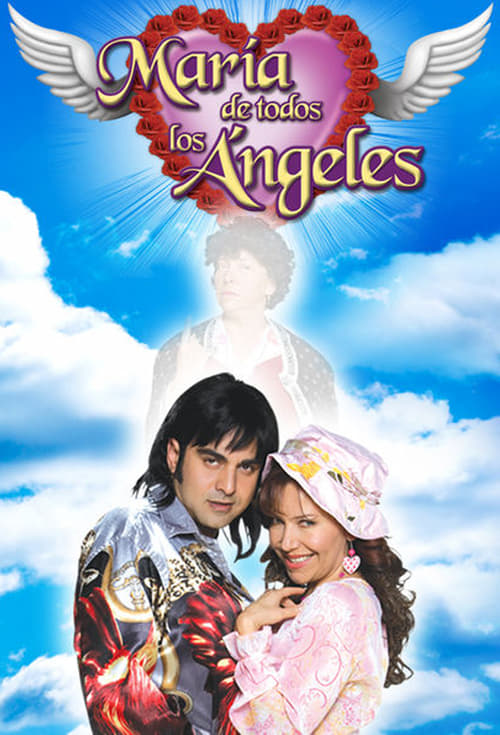







Popular
What are the main challenges María faces in her quest for love?
How does the character of La Chacha influence the plot?
What role does the character of Don Chuy play in María's life?
What is the significance of the love triangle involving María, José Luis, and another character?
How does María's relationship with her friends impact her journey?
Should I watch it?
Ask Your Own Question

What is the plot?
María de Todos los Ángeles begins with María, a young woman who lives in a small town and works as a waitress. She is portrayed as a kind-hearted and optimistic person, despite her challenging circumstances. The story kicks off when she learns that her mother, who has been absent for most of her life, is returning to town. This news stirs a mix of excitement and anxiety within María, as she has longed for a connection with her mother.
As María prepares for her mother's arrival, she reflects on her childhood and the pain of being abandoned. Her best friend, a quirky and supportive character named "La Chona," encourages her to embrace the moment and not let fear hold her back. When her mother finally arrives, María is filled with hope, but the reunion is bittersweet. Her mother, who has her own struggles, is not the ideal figure María had imagined. This leads to a series of emotional confrontations where María expresses her feelings of abandonment and hurt.
In the midst of this family turmoil, María also navigates her romantic life. She has a crush on a local man named "El Chino," who is charming but somewhat unreliable. Their relationship is complicated by misunderstandings and the presence of other suitors, including a wealthy and arrogant man named "Joaquín." María's feelings for El Chino fluctuate as she grapples with her self-worth and the desire for love.
As the story progresses, María discovers that her mother has been involved in illegal activities, which puts both of them in danger. This revelation forces María to confront her mother about her past choices, leading to a dramatic confrontation where María demands honesty and accountability. The tension escalates when María's mother is threatened by her past associates, and María must decide whether to stand by her mother or protect herself.
In a pivotal moment, María chooses to support her mother, showcasing her loyalty despite the risks involved. This decision leads to a series of events where they must evade the dangerous individuals from her mother's past. They go on the run, which tests their relationship and forces them to rely on each other in ways they never anticipated.
During their escape, María and her mother encounter various obstacles, including a car chase and narrow escapes from their pursuers. These high-stakes moments are filled with tension and adrenaline, highlighting María's bravery and determination to protect her mother. As they navigate through these challenges, María begins to understand her mother's struggles and the complexities of their relationship deepen.
Eventually, they find refuge with La Chona, who provides them with a safe place to regroup. Here, María reflects on her journey and the sacrifices she has made for her family. She begins to forge a new path for herself, realizing that she can create her own identity separate from her mother's past.
As the climax approaches, María confronts Joaquín, who has been manipulating situations to his advantage. In a dramatic showdown, María stands up for herself and her mother, asserting her strength and independence. This confrontation leads to Joaquín's downfall, as his true nature is revealed to the community.
In the final act, María and her mother reconcile, acknowledging their shared pain and the need for forgiveness. They decide to face the future together, with María taking charge of her life and pursuing her dreams. The series concludes with a sense of hope and renewal, as María embraces her identity as María de Todos los Ángeles, a symbol of resilience and love.








What is the ending?
At the end of "María de Todos los Ángeles," María finally confronts her feelings and the chaos surrounding her life. She finds love and acceptance, while the other characters also reach resolutions in their personal journeys.
As the final episodes unfold, we see María navigating the complexities of her relationships. The tension between her and her love interest, the charming but troubled character, reaches a climax. In a heartfelt moment, María expresses her true feelings, leading to a reconciliation that feels both cathartic and necessary.
Meanwhile, the supporting characters also find their paths. The comedic relief provided by the quirky side characters culminates in a series of humorous yet poignant moments that highlight their growth. Each character faces their own challenges, but ultimately, they find a sense of belonging and purpose.
In the closing scenes, María stands strong, embodying the spirit of resilience and love that has defined her journey throughout the series. The show ends on a hopeful note, emphasizing the importance of family, friendship, and self-acceptance.
Now, let's delve into the ending in a more detailed, chronological narrative.
As the final episodes begin, María de Todos los Ángeles is faced with the culmination of her emotional journey. The atmosphere is charged with anticipation as she prepares to confront her feelings for her love interest, who has been a source of both joy and turmoil throughout the series.
Scene 1: The Confrontation In a dimly lit café, María sits nervously at a table, her heart racing. She fidgets with her hands, reflecting on the ups and downs of her relationship. When her love interest arrives, the tension is palpable. They exchange awkward pleasantries before María takes a deep breath, her eyes filled with determination. "I can't keep pretending," she says, her voice steady yet vulnerable. This moment marks a turning point; she is ready to embrace her true feelings.
Scene 2: The Resolution As they talk, the conversation shifts from light banter to deeper confessions. María reveals her fears of being hurt again, while her love interest opens up about his own struggles. The emotional weight of their shared experiences brings them closer, and in a moment of vulnerability, they share a kiss, sealing their commitment to each other. This scene is filled with warmth and hope, showcasing the power of love to heal past wounds.
Scene 3: The Supporting Characters Meanwhile, the supporting characters are also experiencing their own arcs. In a parallel storyline, María's quirky friends are dealing with their own conflicts. One character, who has always been the comic relief, faces a serious decision about his future. In a humorous yet touching scene, he realizes that he must take responsibility for his actions, leading to a heartfelt apology to those he has wronged. This moment of growth is met with laughter and tears, emphasizing the importance of friendship and forgiveness.
Scene 4: The Family Reunion As the series nears its conclusion, María's family dynamics come to the forefront. A family gathering is organized, filled with laughter, food, and the warmth of togetherness. María's mother, who has been a source of both support and conflict, finally acknowledges María's strength and independence. In a touching moment, she embraces María, expressing her pride. This scene encapsulates the theme of family bonds and the journey toward acceptance.
Scene 5: The Final Reflection In the closing moments of the series, María stands alone on a hill overlooking the city, the sun setting in the background. She reflects on her journey, the challenges she has faced, and the love she has found. With a smile on her face, she whispers, "I am enough." This powerful declaration signifies her growth and acceptance of herself.
As the screen fades to black, the audience is left with a sense of closure. Each character has found their place, and the overarching themes of love, resilience, and self-acceptance resonate strongly. The series ends on a hopeful note, leaving viewers with the message that despite life's challenges, love and friendship can lead to a fulfilling life.
Is there a post-credit scene?
In the 2009 television show "María de Todos los Ángeles," there is no post-credit scene. The series concludes its episodes without any additional scenes after the credits roll. The focus remains on the main storyline and character arcs throughout the episodes, wrapping up the narrative without extending into post-credit content. The show centers around María, a quirky and optimistic woman, and her various misadventures, relationships, and the comedic situations that arise from her interactions with a colorful cast of characters. The absence of post-credit scenes allows the audience to reflect on the humor and heart of the series as it comes to a close.
What are the main challenges María faces in her quest for love?
María de Todos los Ángeles, portrayed by María Fernanda Quiroz, faces numerous challenges in her quest for love, primarily stemming from her unrequited feelings for the wealthy and charming character, José Luis. Her social status as a humble waitress often puts her at odds with José Luis's affluent lifestyle, leading to feelings of inadequacy and frustration. Additionally, María must navigate the jealousy and rivalry from other characters, particularly from the manipulative and self-centered character, La Chacha, who seeks to undermine her at every turn. These obstacles force María to confront her self-worth and ultimately drive her to assert her desires more boldly.
How does the character of La Chacha influence the plot?
La Chacha, played by the talented actress, serves as a significant antagonist in the series. Her character is marked by cunning and a relentless pursuit of her own interests, often at the expense of others. La Chacha's influence on the plot is profound; she creates numerous conflicts for María, attempting to sabotage her romantic pursuits and manipulate situations to her advantage. Her schemes often lead to misunderstandings and dramatic confrontations, heightening the tension in the story. La Chacha's actions not only challenge María's resolve but also reveal deeper themes of loyalty and betrayal among the characters.
What role does the character of Don Chuy play in María's life?
Don Chuy, portrayed as a wise and caring figure, plays a pivotal role in María's life as a mentor and father figure. He provides her with emotional support and guidance, often encouraging her to pursue her dreams despite the obstacles she faces. His presence in the story adds depth to María's character, showcasing her vulnerabilities and aspirations. Don Chuy's wisdom often serves as a moral compass for María, helping her navigate the complexities of love and friendship. His unwavering belief in her potential inspires María to stand up for herself and fight for her happiness.
What is the significance of the love triangle involving María, José Luis, and another character?
The love triangle involving María, José Luis, and the character of the wealthy and sophisticated Valentina adds a layer of complexity to the narrative. Valentina, who is also vying for José Luis's affection, represents the societal pressures and expectations that María feels. This dynamic creates a palpable tension as María grapples with feelings of inadequacy and jealousy. The love triangle not only drives the romantic plot forward but also serves as a catalyst for María's character development, pushing her to confront her insecurities and ultimately assert her worthiness of love. The emotional stakes are heightened as María must navigate her feelings while competing against Valentina's charm and social status.
How does María's relationship with her friends impact her journey?
María's relationships with her friends, particularly with characters like the loyal and supportive Lupita, play a crucial role in her journey. These friendships provide her with a sense of community and belonging, offering emotional support during her struggles. Lupita, in particular, serves as a confidante, helping María process her feelings for José Luis and encouraging her to pursue her dreams. The camaraderie among the friends also highlights themes of loyalty and resilience, as they rally around María during her moments of doubt. Their interactions often bring humor and warmth to the narrative, contrasting with the more dramatic elements of the plot and showcasing the importance of friendship in overcoming life's challenges.
Is this family friendly?
"María de Todos los Ángeles" is a comedy series that features a mix of humor and melodrama, making it generally suitable for family viewing. However, there are some elements that may be considered objectionable or upsetting for children or sensitive viewers:
-
Romantic Relationships: The show includes various romantic entanglements that may involve themes of infidelity or unrequited love, which could be confusing for younger audiences.
-
Physical Comedy and Slapstick: While often humorous, some scenes involve exaggerated physical comedy that might be perceived as violent or inappropriate, depending on the viewer's sensitivity.
-
Family Conflicts: There are moments of tension and conflict within families that may resonate with viewers who have experienced similar issues, potentially evoking emotional responses.
-
Social Issues: The series touches on themes such as poverty, social class differences, and personal struggles, which may be heavy for younger viewers to fully understand.
-
Language and Humor: Some jokes and dialogue may include innuendos or cultural references that are more suitable for an adult audience, which could go over the heads of children.
Overall, while the show is comedic and light-hearted, parents may want to preview episodes to gauge appropriateness for their children based on these aspects.