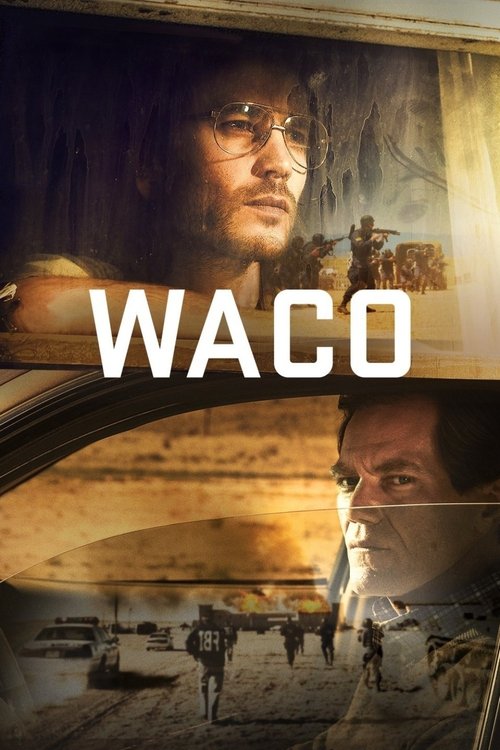













Popular
What motivates David Koresh to lead the Branch Davidians in Waco?
How does the relationship between David Koresh and the Branch Davidians evolve throughout the series?
What role does the FBI play in the standoff at Waco?
How does the character of Gary Noesner influence the events during the Waco siege?
What are the key moments that lead to the tragic conclusion of the Waco siege?
Should I watch it?
Ask Your Own Question

What is the plot?
In 1993, the story begins with the introduction of David Koresh, the leader of the Branch Davidians, a religious sect based in Waco, Texas. The narrative opens with Koresh preaching to his followers about the impending apocalypse and the need for them to prepare for the end times. His charismatic presence and fervent beliefs draw in a devoted group of followers, including women and children, who live in the Mount Carmel Center, a compound that serves as their home and place of worship.
The scene shifts to the Bureau of Alcohol, Tobacco, Firearms and Explosives (ATF) as they receive a tip about the Branch Davidians' illegal weapons stockpile. The ATF decides to conduct a raid on the compound, believing that the group is heavily armed and dangerous. The agents prepare for the operation, gathering intelligence and planning their approach. Tensions rise as the agents discuss the potential risks involved in confronting a group they believe to be heavily armed.
On February 28, 1993, the ATF launches their raid on the Mount Carmel Center. The agents approach the compound in armored vehicles, and the scene is tense as they attempt to breach the gates. The Branch Davidians, alerted to the raid, respond with gunfire. A chaotic shootout ensues, resulting in the deaths of four ATF agents and several Branch Davidians. The raid fails, and the agents are forced to retreat, leaving the situation unresolved and escalating the conflict.
In the aftermath of the failed raid, the FBI takes over the operation. Negotiator Gary Noesner is introduced as he attempts to establish communication with Koresh and the remaining members inside the compound. Noesner's goal is to resolve the situation peacefully, and he begins to build a rapport with Koresh, who is inside the compound with his followers. Koresh expresses a desire to speak with the outside world and negotiate terms for the safe release of the children and other members.
As negotiations continue, the FBI sets up a perimeter around the compound, and the situation becomes a standoff. The emotional toll on both the agents and the Branch Davidians is palpable. Inside the compound, Koresh reassures his followers, maintaining his authority and control over them. He tells them that they are chosen and that they must remain strong in their faith. The tension builds as the FBI grows increasingly frustrated with the slow progress of negotiations.
Days turn into weeks, and the standoff drags on. The FBI employs various tactics to pressure Koresh, including psychological warfare, loud music, and bright lights at night to disrupt their sleep. Koresh, however, remains steadfast, using the time to further indoctrinate his followers. The emotional strain on the families inside the compound is evident, particularly among the children, who are caught in the middle of the conflict.
As the standoff continues, Koresh eventually agrees to release some of the children and a few adults. The FBI sees this as a breakthrough, but Koresh insists on certain conditions, including the ability to record a message for the outside world. The release of the children is a bittersweet moment, as it highlights the ongoing struggle and the deepening divide between the Branch Davidians and law enforcement.
Tensions escalate again when Koresh claims that he has received a message from God and that he must complete a final manuscript before he can surrender. The FBI, frustrated by the lack of progress, decides to take more aggressive action. On April 19, 1993, after 51 days of standoff, the FBI launches a final assault on the compound, using tear gas in an attempt to force the occupants out.
The assault quickly turns chaotic. The Branch Davidians, fearing for their lives, respond with gunfire. The FBI's tactics lead to a fire breaking out within the compound. The scene is harrowing as flames engulf the building, and chaos ensues. Many of the occupants, including women and children, are trapped inside. The emotional weight of the situation is heavy as the agents outside watch helplessly, realizing the catastrophic outcome of the assault.
As the fire rages, the camera captures the desperation of those inside the compound. Some attempt to escape, but the flames and smoke make it nearly impossible. The scene is filled with anguish as the reality of the situation sinks in. Ultimately, the fire consumes the compound, leading to the deaths of 76 Branch Davidians, including David Koresh.
In the aftermath of the tragedy, the FBI faces intense scrutiny and criticism for their handling of the situation. The emotional fallout is profound, with survivors and families left to grapple with the loss. The series concludes with a reflection on the events that transpired, leaving a lasting impact on all involved and raising questions about faith, authority, and the consequences of extreme beliefs.







What is the ending?
In the ending of the TV show "Waco," the standoff between the Branch Davidians and law enforcement culminates in a tragic fire that engulfs the compound. The FBI's decision to use tear gas leads to a series of events that result in the destruction of the building. Many of the inhabitants, including David Koresh and several children, perish in the flames, while a few manage to escape. The aftermath leaves a profound impact on the surviving characters and the authorities involved.
As the final episodes unfold, the tension escalates within the Branch Davidian compound. The FBI, having exhausted negotiation attempts, decides to implement a tactical plan to force the occupants out. They begin by deploying tear gas into the building, hoping to induce a surrender. The atmosphere is thick with anxiety and desperation, both inside the compound and among the law enforcement officials outside.
Inside the compound, David Koresh remains resolute, believing that he is fulfilling a divine prophecy. He tries to maintain a sense of calm among his followers, but the pressure is mounting. The children and families are frightened, and the reality of their situation weighs heavily on them. Koresh's internal conflict is palpable; he grapples with the responsibility of his followers' safety while clinging to his beliefs.
As the tear gas is introduced, chaos erupts. The occupants of the compound struggle to breathe, and panic sets in. The camera captures the frantic movements of the families as they try to shield their children from the gas. The emotional turmoil is evident; parents are torn between their loyalty to Koresh and their instinct to protect their loved ones.
Outside, the FBI agents watch the situation unfold with a mix of determination and dread. They are aware that the use of tear gas could escalate the situation further, but they feel they have no other choice. The tension is palpable as they communicate with their superiors, weighing the risks of their actions against the need to end the standoff.
As the gas fills the compound, a fire ignites, though the exact cause remains ambiguous. The flames quickly spread, engulfing the building in a horrific blaze. The scene is chaotic; the camera captures the horror on the faces of those trapped inside as they realize the imminent danger. The sound of crackling flames and the cries of the trapped create a haunting atmosphere.
In the midst of the inferno, some individuals manage to escape. A few of Koresh's followers, driven by instinct and desperation, break free from the burning structure. However, many others, including Koresh himself, are unable to escape the flames. The emotional weight of the moment is heavy; the loss of life is staggering, and the camera lingers on the faces of those who survive, filled with grief and disbelief.
As the fire consumes the compound, the aftermath reveals the devastating toll of the standoff. The surviving characters are left to grapple with the loss of their loved ones and the consequences of their choices. The authorities, too, are left to confront the ramifications of their actions, questioning whether the outcome could have been different.
In the end, David Koresh and many of his followers perish in the fire, while a handful of individuals manage to escape, forever changed by the traumatic events. The series concludes with a somber reflection on the tragedy, leaving viewers to ponder the complexities of faith, authority, and the human condition in the face of conflict.
Is there a post-credit scene?
The TV show "Waco," produced in 2018, does not have a post-credit scene. The series concludes with its final episode, wrapping up the intense and tragic events surrounding the standoff between the Branch Davidians and federal law enforcement. The focus remains on the emotional and psychological aftermath of the siege, emphasizing the personal stories of the individuals involved rather than extending the narrative with additional scenes after the credits. The ending serves to highlight the impact of the events on the characters, particularly David Koresh and the surviving members of the Branch Davidian community, as well as the law enforcement officials involved.
What motivates David Koresh to lead the Branch Davidians in Waco?
David Koresh, portrayed as a charismatic yet deeply troubled leader, is driven by a complex mix of religious fervor and personal ambition. He believes he is the final prophet of the Branch Davidian sect, interpreting the Bible in a way that justifies his actions and the apocalyptic beliefs of his followers. His desire for control and the need to protect his community from perceived external threats fuel his increasingly radical decisions.
How does the relationship between David Koresh and the Branch Davidians evolve throughout the series?
The relationship between David Koresh and the Branch Davidians is depicted as both deeply devoted and increasingly strained. Initially, the members are shown to be loyal and trusting, drawn to his teachings and charisma. However, as the standoff with law enforcement escalates, doubts begin to surface among some members, particularly regarding Koresh's controversial practices, such as his claims of divine authority and his relationships with underage girls, leading to internal conflict and emotional turmoil.
What role does the FBI play in the standoff at Waco?
The FBI plays a critical role in the standoff, depicted as a complex organization grappling with the challenge of negotiating with a heavily armed religious group. As the situation escalates, the FBI's motivations shift from negotiation to tactical intervention, reflecting their urgency to resolve the crisis. The series highlights the tension between the FBI's desire to protect the lives of the children inside the compound and their growing frustration with Koresh's refusal to surrender, leading to a tragic escalation.
How does the character of Gary Noesner influence the events during the Waco siege?
Gary Noesner, portrayed as the FBI's lead negotiator, is depicted as a voice of reason amidst the chaos. His character is driven by a genuine desire to resolve the situation peacefully, showcasing his empathy and understanding of the psychological dynamics at play. Noesner's attempts to communicate with Koresh reveal his internal struggle between following orders and advocating for a more compassionate approach, ultimately influencing the negotiation strategies employed by the FBI.
What are the key moments that lead to the tragic conclusion of the Waco siege?
Key moments leading to the tragic conclusion include the initial raid by ATF agents, which results in a violent confrontation, and the subsequent standoff that lasts for 51 days. Tensions rise as negotiations falter, particularly after the FBI's decision to introduce tear gas into the compound, which Koresh and his followers perceive as an act of aggression. The emotional weight of these decisions culminates in the final assault, where the compound is engulfed in flames, leading to devastating loss and heartbreak for both the Branch Davidians and law enforcement.
Is this family friendly?
"Waco," produced in 2018, is a dramatization of the 1993 standoff between the Branch Davidians and federal law enforcement. While it provides a detailed narrative of the events, it contains several elements that may be objectionable or upsetting for children or sensitive viewers.
-
Violence: The series depicts various violent confrontations, including gunfire exchanges between the Branch Davidians and law enforcement. These scenes can be intense and graphic.
-
Death and Injury: There are portrayals of injuries and fatalities, including the aftermath of violent encounters, which can be distressing.
-
Emotional Turmoil: Characters experience significant emotional distress, including fear, grief, and despair, which may be unsettling for younger viewers.
-
Religious Extremism: The show explores themes of religious fanaticism and the psychological impact of cult-like beliefs, which may be confusing or alarming for some.
-
Government Confrontation: The portrayal of the FBI and ATF's aggressive tactics can evoke feelings of mistrust and fear regarding authority figures.
-
Family Separation: The emotional impact of families being torn apart during the standoff is a recurring theme, highlighting trauma and loss.
These elements contribute to a narrative that is more suitable for mature audiences, as it delves into complex and often dark themes surrounding the events of the Waco siege.