













Popular
What is the significance of the Cosmic Staff in Stargirl's journey?
How does Courtney Whitmore's relationship with Pat Dugan evolve throughout the series?
What motivates the character of Jordan Mahkent, a.k.a. Icicle, in his quest against Stargirl and the JSA?
What role does the character of Yolanda Montez, a.k.a. Wildcat, play in the formation of the new JSA?
How does the character of Beth Chapel, a.k.a. Doctor Mid-Nite, contribute to the team's efforts against the Injustice Society?
Should I watch it?
Ask Your Own Question

What is the plot?
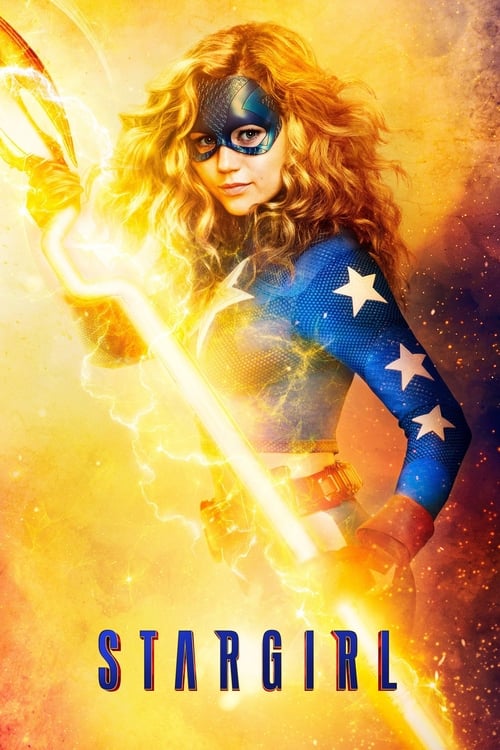
In the pilot episode of DC's Stargirl, we are introduced to Courtney Whitmore, a high school student living in Blue Valley, Nebraska. After moving to Blue Valley with her mother, Barbara, and her younger brother, Mike, Courtney discovers her stepfather, Pat Dugan, has a mysterious past. While rummaging through the attic, she finds the Cosmic Staff, a powerful weapon belonging to the late superhero Starman. When she touches the staff, it reacts to her, indicating she may be worthy of wielding it.
Courtney's life takes a turn when she learns about the Injustice Society of America (ISA), a group of supervillains responsible for the deaths of many heroes, including Starman. Determined to honor the legacy of Starman and fight against the ISA, Courtney decides to become a superhero herself, adopting the name Stargirl. She struggles with her identity and the responsibilities that come with being a hero, feeling the weight of her mission to protect her new home.
As Courtney begins her journey, she recruits her classmates, including Yolanda Montez, who becomes Wildcat after Courtney helps her regain her confidence and fight back against bullies. Meanwhile, Rick Tyler, the son of Hourman, is introduced as a troubled teen who is also seeking revenge against the ISA for his father's death. Courtney's efforts to unite her friends as a new generation of heroes lead to a series of training sessions where they learn to harness their powers.
The plot thickens when Courtney and her friends confront the ISA members, including Brainwave, who has the ability to manipulate minds. During a tense encounter, they discover that Brainwave is using his powers to control the minds of the citizens of Blue Valley, creating chaos. The team faces their first major battle against the ISA, which tests their abilities and teamwork. Despite their inexperience, they manage to escape, but not without sustaining injuries and emotional scars.
As the season progresses, the team learns more about the ISA's plans, which involve a mysterious device that could threaten the world. Courtney's relationship with Pat deepens as he reveals his own history as Stripesy, Starman's sidekick. He becomes a mentor to Courtney, helping her understand the legacy of the heroes before her. However, tensions rise as Courtney struggles with her trust in Pat, feeling that he is holding back information about her father.
The ISA's members, including the villainous Icicle and the manipulative Dragon King, begin to target Courtney and her friends, leading to a series of confrontations. In one pivotal scene, the team faces off against the ISA in a climactic battle at the ISA's headquarters. Each member of the team showcases their unique abilities, but they are outmatched by the experienced villains. The fight is intense, with moments of bravery and sacrifice, as they attempt to thwart the ISA's plans.
In a shocking twist, it is revealed that Brainwave has been manipulating events from the shadows, and he uses his powers to turn the team against each other, creating distrust among them. This internal conflict threatens to tear the group apart just as they need to unite the most. Courtney's leadership is tested as she fights to keep her friends together, emphasizing the importance of trust and teamwork.
As the season nears its conclusion, the stakes escalate when the ISA's true plan is unveiled: they intend to use the device to reshape the world according to their vision. The team must rally together for one final showdown against the ISA. In a desperate bid to save their town and the world, they infiltrate the ISA's stronghold, leading to a series of high-stakes confrontations.
During the climactic battle, Courtney faces off against Icicle, while Rick confronts his father's killer, Brainwave. The fight is brutal, with emotional stakes as each character grapples with their motivations and the weight of their pasts. In a moment of sacrifice, one of the team members falls, adding a layer of tragedy to their victory.
In the aftermath, the team emerges victorious but forever changed by their experiences. They reflect on their losses and the bonds they have formed. Courtney embraces her role as Stargirl, vowing to continue the fight against evil. The season ends with a sense of hope and determination, as new threats loom on the horizon, setting the stage for future adventures.







What is the ending?
In the ending of DC's Stargirl, the final battle against the Injustice Society culminates in a showdown at the Shadowlands. Stargirl and her team confront the villains, leading to significant sacrifices and revelations. The episode concludes with the defeat of the Injustice Society, but not without loss, as some characters face dire consequences. The fate of the main characters is left with a mix of hope and uncertainty.
As the final episode unfolds, the tension is palpable. The scene opens with Stargirl, also known as Courtney Whitmore, rallying her team, which includes her friends and fellow heroes: Yolanda Montez (Wildcat), Beth Chapel (Doctor Mid-Nite), and Rick Tyler (Hourman). They are determined to confront the Injustice Society of America, led by the nefarious Icicle, Brainwave, and the others. The stakes are high, and the weight of their mission hangs heavily on Courtney's shoulders.
The team gathers in the basement of the Whitmore-Dugan home, where they strategize their next move. Courtney's determination shines through, but there is an underlying fear of what they might face. Each character's internal struggles are evident; Yolanda grapples with her past and the loss of her friend, while Rick is driven by vengeance for his father's death. Beth, the most analytical of the group, tries to keep everyone focused, but her insecurities about being a hero surface.
As they prepare to enter the Shadowlands, the atmosphere shifts. The team steps into a dark, foreboding landscape, filled with shadows and echoes of their fears. They confront Brainwave first, who uses his telepathic powers to manipulate their minds. The scene is intense, with flashes of their worst memories and fears. Courtney fights through the mental assault, her resolve strengthening as she remembers why they are fighting.
The battle escalates as they face off against the Injustice Society. Icicle and his team are formidable opponents, and the fight is brutal. Each member of Courtney's team showcases their powers, but they are outmatched. In a pivotal moment, Yolanda confronts Brainwave, channeling her grief and anger into a fierce attack. The emotional weight of her actions is clear as she fights not just for herself, but for her fallen friend.
As the battle rages on, Rick faces off against Icicle. The fight is personal for him, fueled by rage and a desire for revenge. However, in a moment of clarity, he realizes that his anger is blinding him. He makes a critical decision to save his friends rather than seek vengeance, showcasing his growth as a character.
In the climax of the episode, Courtney faces off against the leader of the Injustice Society, the Dragon King. The fight is intense, filled with high stakes and emotional turmoil. Courtney's leadership is tested as she must rally her friends and push them to their limits. In a moment of sacrifice, one of the team members, ultimately, makes a significant choice that alters the course of the battle, leading to the defeat of the Injustice Society.
As the dust settles, the aftermath of the battle reveals the cost of their victory. The team is left to grapple with their losses and the emotional scars of the fight. Courtney stands amidst the ruins, reflecting on the journey they have taken together. The weight of leadership and the burden of loss are evident on her face.
In the final scenes, the characters begin to find a sense of closure. Yolanda, having avenged her friend, finds a moment of peace, while Rick learns to channel his anger into something constructive. Beth, feeling more accepted by her peers, embraces her role as a hero. Courtney, however, is left with a sense of uncertainty about the future, knowing that while they have defeated the Injustice Society, new challenges lie ahead.
The episode closes with a sense of hope, but also a reminder of the sacrifices made. The camera pans out, showing the team standing together, united but aware of the battles yet to come. The fate of each character is intertwined, setting the stage for future adventures and the ongoing struggle between good and evil.
Is there a post-credit scene?
In the 2020 series "DC's Stargirl," there is indeed a post-credit scene in the first episode, titled "Pilot." After the main story concludes, the scene shifts to a dark, ominous setting. We see a figure in a lab, surrounded by various high-tech equipment and screens displaying images of the Justice Society of America (JSA) and their former members.
The camera focuses on a mysterious character, who is revealed to be a villainous figure, Eclipso. He is shown observing the JSA's past and present, hinting at his intentions to manipulate and confront the new generation of heroes. The atmosphere is tense, filled with a sense of foreboding as Eclipso's presence suggests that he will play a significant role in the challenges that Stargirl and her friends will face in the future.
This scene effectively sets the stage for the conflicts to come, emphasizing the ongoing battle between good and evil, and leaving viewers with a chilling sense of anticipation for the unfolding story. The post-credit moment serves as a reminder that while Stargirl is stepping into her role as a hero, formidable threats are lurking in the shadows, ready to challenge her and the new JSA.
What is the significance of the Cosmic Staff in Stargirl's journey?
The Cosmic Staff is a powerful artifact that chooses its wielder, and in 'DC's Stargirl', it becomes a symbol of hope and legacy for Courtney Whitmore. Initially, she discovers the staff in her stepfather Pat Dugan's belongings, which belonged to the original Starman, Ted Knight. As she learns to wield it, the staff not only enhances her abilities but also serves as a connection to her predecessor and the legacy of the Justice Society of America. Throughout the series, the staff's bond with Courtney deepens, reflecting her growth as a hero and her struggle to live up to the expectations of being Stargirl.
How does Courtney Whitmore's relationship with Pat Dugan evolve throughout the series?
Courtney's relationship with Pat Dugan, her stepfather, begins with tension and misunderstanding. Initially, she resents him for marrying her mother and feels he is not a true father figure. However, as she discovers her role as Stargirl and the legacy of the JSA, she begins to see Pat in a new light. Pat becomes her mentor, guiding her through the challenges of being a superhero. Their bond strengthens as they face threats together, and Courtney learns to appreciate Pat's wisdom and experience, ultimately viewing him as a father figure and ally.
What motivates the character of Jordan Mahkent, a.k.a. Icicle, in his quest against Stargirl and the JSA?
Jordan Mahkent, known as Icicle, is driven by a desire to reshape the world according to his vision of a better future, which he believes can only be achieved through the elimination of those he deems unworthy. His motivations are rooted in a tragic past, including the loss of his family, which fuels his belief that he must take drastic measures to create a new order. Throughout the series, his interactions with the Injustice Society and his personal connections, particularly with his son Cameron, reveal a complex character torn between his ambitions and his familial ties, making him a formidable antagonist to Stargirl and the JSA.
What role does the character of Yolanda Montez, a.k.a. Wildcat, play in the formation of the new JSA?
Yolanda Montez, who becomes Wildcat, plays a crucial role in the formation of the new Justice Society of America. Initially struggling with her identity and the trauma of being bullied, she finds empowerment through her transformation into Wildcat. Her journey is marked by a desire for justice and a need to protect those who cannot protect themselves. As she joins Courtney and the others, Yolanda's fierce loyalty and combat skills become essential to the team's dynamics. Her character arc highlights themes of resilience and the importance of friendship, as she learns to embrace her powers and her place within the JSA.
How does the character of Beth Chapel, a.k.a. Doctor Mid-Nite, contribute to the team's efforts against the Injustice Society?
Beth Chapel, who takes on the mantle of Doctor Mid-Nite, contributes significantly to the new JSA with her intelligence and resourcefulness. Initially portrayed as an outsider, Beth's journey involves overcoming her insecurities and proving her worth to the team. She discovers the legacy of the original Doctor Mid-Nite, Charles McNider, and gains access to his technology, including the goggles that enhance her abilities. Her analytical skills and tech-savvy nature allow her to gather crucial information about the Injustice Society, making her an invaluable asset. Beth's character embodies the theme of inclusivity and the idea that heroism comes in many forms, as she learns to embrace her role and support her friends.
Is this family friendly?
DC's Stargirl, produced in 2020, is generally considered family-friendly, but it does contain some elements that may be objectionable or upsetting for children or sensitive viewers. Here are a few aspects to consider:
-
Violence: The show features superhero battles and confrontations that can include physical fights, explosions, and some intense action sequences. While not excessively graphic, the violence may be intense for younger viewers.
-
Death and Loss: Themes of loss and the consequences of death are present, particularly in relation to the original Justice Society of America. Characters grapple with grief and the impact of losing loved ones, which may be emotionally heavy for some.
-
Bullying: There are instances of bullying and social conflict among high school students, which can be distressing for younger audiences who may relate to these experiences.
-
Dark Themes: The show explores themes of good versus evil, with some characters having dark pasts or motivations. This can lead to morally complex situations that might be confusing or unsettling for younger viewers.
-
Supernatural Elements: The presence of magic, curses, and supernatural beings may be frightening for some children, especially those sensitive to horror or fantasy elements.
Overall, while DC's Stargirl is designed to appeal to a younger audience, parents may want to preview episodes or discuss the themes with their children to ensure they are comfortable with the content.







