






































































Popular
What is the significance of the Velho Chico river in the story?
How does the relationship between Santo and Tereza evolve throughout the series?
What role does the character of Genu play in the family dynamics?
How does the feud between the Sá and the Lacerda families impact the plot?
What are the consequences of the land dispute in the story?
Should I watch it?
Ask Your Own Question

What is the plot?
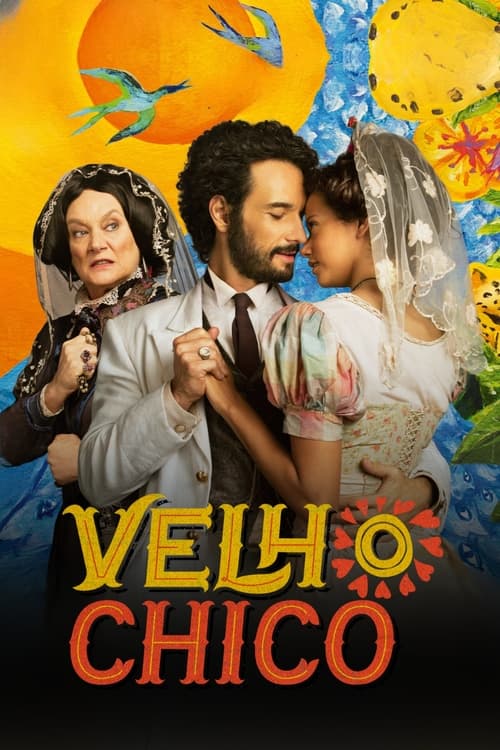
"Velho Chico" begins in the Brazilian hinterlands, where the lives of the characters are deeply intertwined with the São Francisco River. The story primarily revolves around the Sá Ribeiro family, particularly the patriarch, Afrânio Ribeiro, and his son, Santo. The narrative unfolds across several decades, showcasing the impact of personal and political conflicts on their lives.
The series opens with the introduction of Afrânio Ribeiro, a powerful and wealthy landowner who is deeply connected to the river and the land. He is portrayed as a man of strong convictions, but his ambition often leads him to make morally questionable decisions. Afrânio's relationship with his family is strained, particularly with his son, Santo, who has a more idealistic view of the world and is deeply connected to the local community.
As the story progresses, we learn about the love story between Santo and Tereza, Afrânio's daughter. Their romance is complicated by the longstanding feud between their families, which is rooted in a tragic past involving betrayal and loss. Santo's love for Tereza drives him to confront his father and the family's legacy, leading to a series of emotional confrontations.
The narrative takes a significant turn when Afrânio's political ambitions come to the forefront. He seeks to expand his influence and control over the region, which puts him at odds with local farmers and activists who are fighting for their rights. This conflict escalates as Santo becomes more involved in the struggle for justice, aligning himself with the oppressed and challenging his father's authority.
As tensions rise, the series delves into the personal struggles of the characters. Afrânio grapples with his past decisions and the consequences they have on his family. Santo, torn between loyalty to his father and his love for Tereza, faces a moral dilemma that forces him to choose between family loyalty and his principles.
The plot thickens with the introduction of new characters, including the enigmatic and passionate activist, Olívia. She becomes a key figure in the fight against Afrânio's oppressive tactics, and her relationship with Santo adds another layer of complexity to the story. Their bond grows as they work together to rally the community against Afrânio's plans, leading to moments of both passion and conflict.
As the series progresses, the river itself becomes a symbol of life and struggle. The changing seasons and the river's flow mirror the characters' emotional journeys. The community's connection to the river is highlighted through various events, including festivals and rituals that celebrate their heritage and resilience.
The climax of the series occurs when a violent confrontation erupts between Afrânio's men and the local farmers. Santo, caught in the middle, must make a choice that will define his future and the future of his family. The confrontation is intense, with physical altercations and emotional confrontations that reveal the depth of the characters' motivations and fears.
In the aftermath of the conflict, the characters are left to deal with the consequences of their actions. Afrânio faces the fallout from his decisions, while Santo must navigate the complexities of his relationships with Tereza and Olívia. The emotional toll of the events weighs heavily on all involved, leading to moments of reflection and regret.
As the series nears its conclusion, the themes of redemption and forgiveness come to the forefront. Characters seek to reconcile their pasts and find a way to move forward. The river, once a source of division, becomes a place of healing and unity as the community comes together to reclaim their identity and fight for their rights.
The final episodes culminate in a powerful resolution, where the characters confront their demons and seek to build a better future. The series ends on a poignant note, with the river flowing steadily, symbolizing the enduring spirit of the people and their connection to the land. The legacy of the Sá Ribeiro family is left to be defined by the choices made in the face of adversity, leaving viewers with a sense of hope and reflection on the complexities of human relationships and the struggle for justice.









What is the ending?
In the ending of "Velho Chico," the story culminates in a series of emotional confrontations and resolutions among the main characters, particularly involving the conflicts surrounding the São Francisco River and the legacies of the families intertwined with it. The fates of the characters are sealed as they confront their pasts and the consequences of their actions.
As the series draws to a close, the narrative unfolds with the characters facing the repercussions of their choices. The river, a central symbol throughout the series, serves as a backdrop for the final events, highlighting the connection between the land and the people who inhabit it.
In the final scenes, we see the character of Santo, who has been a pivotal figure throughout the series. He grapples with the weight of his family's legacy and the impact of the ongoing conflicts over land and water rights. Santo's journey leads him to a moment of reflection, where he acknowledges the sacrifices made by his ancestors and the need to protect the river that has sustained their lives.
Meanwhile, the character of Tereza, Santo's love interest, faces her own struggles. She has been torn between her loyalty to her family and her love for Santo. In the end, Tereza chooses to stand by Santo, recognizing the importance of unity in the face of adversity. Their relationship symbolizes hope and resilience, as they commit to fighting for the future of their community.
The antagonist, Carlos Eduardo, experiences a downfall as his greed and ambition lead to isolation. His actions throughout the series have alienated him from those he once sought to control. In the final moments, he is confronted by the consequences of his choices, leading to a sense of poetic justice as he loses everything he valued.
As the series concludes, the river is depicted as a living entity, reflecting the struggles and triumphs of the characters. The final scenes emphasize the importance of connection to one's roots and the enduring spirit of the people who rely on the land. The characters find a sense of closure, with Santo and Tereza looking towards a future filled with hope, while the river continues to flow, symbolizing the ongoing cycle of life and the resilience of the human spirit.
In summary, the ending of "Velho Chico" encapsulates the themes of legacy, love, and the fight for justice, leaving the audience with a poignant reminder of the interconnectedness of people and nature.
Is there a post-credit scene?
"Velho Chico," the Brazilian telenovela that aired in 2016, does not feature a post-credit scene. The series concludes its narrative without any additional scenes after the credits roll. The story wraps up the complex relationships and conflicts among the characters, focusing on themes of family, love, and the struggles tied to the São Francisco River. The final moments of the show emphasize the resolution of the characters' arcs and the impact of their choices, leaving viewers with a sense of closure rather than an additional scene to tease future developments.
What is the significance of the Velho Chico river in the story?
The Velho Chico river serves as a central symbol in the narrative, representing life, tradition, and the connection between the characters and their land. It is a source of sustenance and a witness to the unfolding drama, embodying the struggles and the beauty of the region.
How does the relationship between Santo and Tereza evolve throughout the series?
Santo and Tereza's relationship is marked by deep love and tragedy. Initially, they share a passionate bond, but as the story progresses, external conflicts, family loyalties, and societal pressures create rifts. Their love is tested by betrayal and loss, leading to moments of intense emotional turmoil.
What role does the character of Genu play in the family dynamics?
Genu is a pivotal character who embodies loyalty and resilience. As a servant to the family, she navigates the complexities of her position while fiercely protecting the interests of her employers. Her internal struggles and sacrifices highlight the themes of class and loyalty, making her a crucial part of the family's narrative.
How does the feud between the Sá and the Lacerda families impact the plot?
The feud between the Sá and Lacerda families is a driving force in the plot, creating tension and conflict that ripple through the generations. This rivalry is rooted in historical grievances and personal vendettas, leading to tragic consequences that affect not only the families involved but also the wider community.
What are the consequences of the land dispute in the story?
The land dispute serves as a catalyst for much of the conflict in 'Velho Chico.' It leads to legal battles, personal betrayals, and even violence, affecting the lives of all characters involved. The struggle for land ownership reflects deeper issues of power, heritage, and the fight for survival, ultimately shaping the destinies of the characters.
Is this family friendly?
"Velho Chico," produced in 2016, is a Brazilian telenovela that explores deep themes of family, love, betrayal, and the struggles of rural life. While it has a rich narrative and emotional depth, there are several aspects that may be considered objectionable or upsetting for children or sensitive viewers:
-
Family Conflict: The show features intense family disputes and rivalries that can lead to emotional distress. Characters often experience betrayal and heartbreak, which may be difficult for younger viewers to process.
-
Death and Grief: The series includes scenes of death and the subsequent mourning of loved ones. These moments are portrayed with significant emotional weight, which could be upsetting for sensitive audiences.
-
Social Injustice: The narrative addresses themes of social inequality and environmental issues, including the impact of development on rural communities. These topics may be heavy for younger viewers to understand fully.
-
Violence: There are instances of physical confrontations and threats among characters, which may be alarming for children. The tension can escalate to moments of aggression that are depicted realistically.
-
Romantic Relationships: The show explores complex romantic entanglements, including infidelity and unrequited love, which may not be suitable for younger audiences.
-
Cultural and Historical Context: Some scenes may reference historical injustices or cultural practices that could be confusing or distressing without proper context.
Overall, while "Velho Chico" offers a rich narrative experience, its themes and emotional intensity may not be appropriate for all viewers, particularly children or those sensitive to such content.