

















Popular
What motivates the Lupinrangers to steal the Lupin Collection?
How do the Patrangers' motivations differ from the Lupinrangers?
What is the significance of the Lupin Collection in the story?
How does the relationship between Kairi and Umika evolve throughout the series?
What role does the character of Noel Takao play in the conflict between the Lupinrangers and Patrangers?
Should I watch it?
Ask Your Own Question

What is the plot?
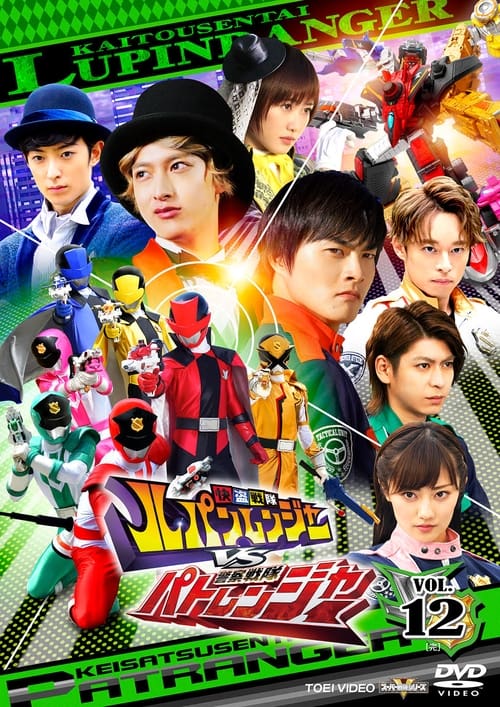
In the city of Kanto, a mysterious organization known as the Gangler emerges, stealing valuable items from the world and using them to create powerful monsters called Gangler. The story begins with the introduction of the Lupinrangers, a group of thieves led by Lupin Red, who aim to steal back the stolen treasures from the Gangler to save their loved ones. The Lupinrangers consist of three members: Lupin Red (Kairi Yano), Lupin Blue (Touma Yarai), and Lupin Yellow (Umika Hayase). Each member has their own personal motivation tied to the treasures they seek.
Simultaneously, the Patrangers, a police force dedicated to capturing the Gangler, are introduced. They are led by Patranger Red (Keiichiro Asaka) and include Patranger Blue (Sakuya Hikawa) and Patranger Yellow (Natsume). The Patrangers are determined to uphold the law and bring justice to the city, often clashing with the Lupinrangers, who operate outside the law. The tension between the two groups is palpable, as they both pursue the same goal but with opposing methods.
The first major confrontation occurs when the Lupinrangers attempt to steal a treasure from a Gangler. During this heist, they encounter the Patrangers, leading to a chaotic battle. The Lupinrangers use their agility and cunning to evade capture, while the Patrangers rely on their teamwork and police training to apprehend the Gangler. The fight showcases the unique abilities of each ranger, with the Lupinrangers using their gadgets to outsmart the Patrangers. Ultimately, the Lupinrangers manage to escape with the treasure, leaving the Patrangers frustrated.
As the story progresses, the motivations of the characters deepen. Kairi, the leader of the Lupinrangers, is driven by the desire to save his brother, who has been turned into a Gangler. This personal stake adds emotional weight to his actions, as he grapples with the morality of being a thief for a noble cause. Meanwhile, Keiichiro, the leader of the Patrangers, is portrayed as a steadfast and principled officer who believes in justice above all else. His determination to capture the Lupinrangers intensifies as he learns more about their motives.
The plot thickens when a new Gangler appears, one that possesses a treasure that is crucial to Kairi's quest. The Lupinrangers devise a plan to infiltrate the Gangler's hideout, leading to a tense sequence where they must navigate traps and confront the Gangler's minions. The action is fast-paced, with each ranger showcasing their skills in combat. They manage to retrieve the treasure, but not without sustaining injuries and facing setbacks, highlighting the risks they take for their cause.
In a pivotal moment, the Patrangers arrive just as the Lupinrangers are escaping. A fierce battle ensues, with both teams fighting against the Gangler and each other. The scene is filled with dynamic choreography, as the rangers utilize their unique weapons and abilities. The conflict escalates when the Gangler transforms into a more powerful form, forcing the Lupinrangers and Patrangers to temporarily unite against a common enemy. This alliance is fraught with tension, as both sides struggle to trust one another.
As the series progresses, the characters face personal dilemmas that test their loyalties. Umika, the Lupin Yellow, begins to question the morality of their thieving ways, especially as she develops a bond with Sakuya, the Patranger Blue. This emotional conflict leads to moments of vulnerability, where both characters reveal their fears and desires. Their interactions add depth to the narrative, showcasing the complexities of their roles as thieves and law enforcers.
The climax of the story occurs when the true mastermind behind the Gangler organization is revealed. This antagonist, known as the Gangler Boss, has been manipulating events from the shadows, and his ultimate goal is to obtain a powerful artifact that could grant him unimaginable power. The Lupinrangers and Patrangers must set aside their differences to confront this new threat, leading to an epic showdown that tests their resolve and teamwork.
In the final battle, the rangers face off against the Gangler Boss and his minions in a visually stunning sequence filled with explosions and intense combat. Each ranger plays a crucial role, utilizing their unique abilities to weaken the enemy. The stakes are high, as the fate of their loved ones and the city hangs in the balance. The emotional weight of their journey culminates in a moment of sacrifice, where one of the rangers must make a difficult choice to save the others.
Ultimately, the rangers succeed in defeating the Gangler Boss, but not without significant losses. The aftermath of the battle leaves both the Lupinrangers and Patrangers reflecting on their actions and the consequences of their choices. The series concludes with a sense of resolution, as the characters come to terms with their identities and the paths they have chosen, setting the stage for potential future adventures.
More TV Shows Like This
Browse All TV Shows →



What is the ending?
In the ending of Kaitou Sentai Lupinranger vs. Keisatsu Sentai Patranger, the conflict between the Lupinrangers and Patrangers reaches its climax. The Lupinrangers, led by LupinRed, confront the final villain, the Gangler named Don Armage. In a fierce battle, they manage to defeat him, but at a great cost. The Patrangers, led by Patranger1, also play a crucial role in the fight. Ultimately, the Lupinrangers decide to use the power of the Lupin Collection to erase their existence to protect the world from the Gangler threat. As they fade away, they leave behind a legacy of bravery and sacrifice.
Expanding on this, the final episodes unfold with a palpable tension as the Lupinrangers and Patrangers prepare for their last confrontation with Don Armage. The scene opens in a dark, ominous lair where the Gangler's presence looms large. The air is thick with anticipation, and the stakes have never been higher. The Lupinrangers, clad in their vibrant costumes, gather together, their expressions a mix of determination and sorrow. They know that this battle could mean the end of their journey, but they are resolute in their mission to protect the world from the chaos that Don Armage represents.
As the battle begins, the camera captures the swift movements of the Lupinrangers as they engage in combat with Don Armage's minions. The choreography is dynamic, showcasing their unique fighting styles and teamwork. Each member of the Lupinrangers--LupinRed, LupinBlue, and LupinYellow--demonstrates their skills, their faces reflecting a fierce resolve. The Patrangers, meanwhile, are also in the fray, their own motivations driving them to uphold justice and protect the innocent.
The scene shifts to a climactic showdown between LupinRed and Don Armage. The tension escalates as they exchange blows, the sound of clashing metal echoing in the air. LupinRed's determination is palpable; he fights not just for himself but for his friends and the world. As the battle rages on, the Patrangers provide support, showcasing their own abilities and strategies. The visual effects highlight the intensity of the fight, with explosions and flashes of light illuminating the darkened battlefield.
In a pivotal moment, the Lupinrangers realize that the only way to truly defeat Don Armage is to use the power of the Lupin Collection, a decision that weighs heavily on them. They gather together, their expressions somber yet resolute, understanding the sacrifice they must make. The emotional weight of their choice is evident as they share a final moment together, reminiscing about their journey and the bonds they have formed. The camera lingers on their faces, capturing the mix of sadness and pride.
As they activate the power of the Lupin Collection, a brilliant light envelops them. The scene is both beautiful and heartbreaking, as they begin to fade away, their forms dissolving into the light. The Patrangers watch in shock and sorrow, realizing the depth of the Lupinrangers' sacrifice. The world around them shifts, and the threat of the Ganglers begins to dissipate, signifying the success of the Lupinrangers' final act.
In the aftermath, the Patrangers are left to carry on the legacy of the Lupinrangers. They stand together, united in their mission to protect the world, but the absence of the Lupinrangers is felt deeply. Each member of the Patrangers reflects on the bravery of their counterparts, their expressions a mix of grief and determination. The final scene shows them looking towards the horizon, ready to face whatever challenges lie ahead, embodying the spirit of the Lupinrangers.
In summary, the fate of the main characters is sealed in their sacrifice. The Lupinrangers, having erased their existence to save the world, leave behind a legacy of heroism. The Patrangers, now carrying the weight of their loss, are determined to continue the fight for justice, inspired by the courage of the Lupinrangers. The story concludes with a sense of hope, even in the face of loss, as the Patrangers vow to honor their fallen friends.
Is there a post-credit scene?
In "Kaitou Sentai Lupinranger vs. Keisatsu Sentai Patranger," there is indeed a post-credit scene that adds an intriguing layer to the story.
As the credits roll, the scene opens with a serene view of a park, where the sun is setting, casting a warm golden hue over the landscape. The camera pans down to reveal the Lupinrangers--LupinRed, LupinBlue, and LupinYellow--sitting on a bench, their expressions a mix of relief and contemplation after the intense battles they have faced.
LupinRed, with a thoughtful gaze, reflects on their journey, expressing a sense of camaraderie and the bonds they have formed. He shares a moment of vulnerability, admitting that despite their victories, the weight of their mission still lingers heavily on his heart. The others nod in understanding, their faces illuminated by the fading light, showcasing a blend of determination and hope.
Suddenly, the scene shifts to the Patrangers--Patranger1, Patranger2, and Patranger3--who are nearby, engaged in a light-hearted discussion about their next steps as a team. Their banter is filled with laughter, but there's an underlying tension as they acknowledge the challenges that lie ahead. Patranger1, with a serious expression, mentions the importance of staying vigilant, hinting at the possibility of new threats emerging.
As the camera zooms out, the two teams are shown in parallel, each representing their respective ideologies--one driven by the thrill of adventure and the other by a sense of duty. The scene concludes with a lingering shot of the sunset, symbolizing the ongoing conflict between the two groups, leaving viewers with a sense of anticipation for what is to come.
This post-credit scene encapsulates the emotional weight of their experiences while foreshadowing future encounters, reinforcing the themes of friendship, rivalry, and the complexities of their intertwined destinies.
What motivates the Lupinrangers to steal the Lupin Collection?
The Lupinrangers, consisting of Kairi Yano, Tooma Yano, and Umika Hayase, are driven by a deep desire to reclaim the stolen treasures of their families, which were taken by the notorious Phantom Thieves. Each member has a personal stake in the Lupin Collection, as it holds the key to their pasts and the resolution of their individual quests for justice. Kairi, the leader, is particularly motivated by the loss of his father, while Umika seeks to recover her family's honor.
How do the Patrangers' motivations differ from the Lupinrangers?
The Patrangers, led by Keiichiro Asaka, are motivated by a strong sense of duty and justice as members of the police force. Their primary goal is to uphold the law and protect civilians from the threats posed by the Gangler, a criminal organization. Keiichiro's determination is fueled by his desire to prove himself as a capable leader and to honor the memory of his mentor, who was killed by the Gangler. This creates a stark contrast to the Lupinrangers' more personal and emotional motivations.
What is the significance of the Lupin Collection in the story?
The Lupin Collection is a set of powerful artifacts that not only grants immense power to those who possess them but also serves as a symbol of the Lupinrangers' quest for justice and redemption. Each item within the collection has its own unique abilities and history, often tied to the characters' backstories. The collection's allure also draws the attention of the Gangler, leading to intense confrontations between the two teams as they vie for control over these treasures.
How does the relationship between Kairi and Umika evolve throughout the series?
Kairi and Umika's relationship begins with a sense of camaraderie and shared purpose, but it is complicated by their differing motivations and the secrets they keep from each other. As they face various challenges together, their bond deepens, leading to moments of vulnerability and trust. However, the tension arises when Kairi's leadership decisions put them at odds, particularly when it comes to the risks they take for the Lupin Collection. Ultimately, their relationship is a blend of friendship, rivalry, and unspoken feelings, culminating in a deeper understanding of each other's struggles.
What role does the character of Noel Takao play in the conflict between the Lupinrangers and Patrangers?
Noel Takao, also known as Lupin X, serves as a pivotal character who straddles the line between the Lupinrangers and Patrangers. Initially introduced as an enigmatic figure, his true motivations and allegiances are gradually revealed. He acts as a catalyst for conflict, often manipulating situations to achieve his own goals while also providing assistance to both teams. His presence complicates the dynamics between the two groups, as he challenges their beliefs and forces them to confront their own ideologies regarding justice and theft.
Is this family friendly?
"Kaitou Sentai Lupinranger vs. Keisatsu Sentai Patranger" is generally considered family-friendly, but it does contain some elements that may be objectionable or upsetting for children or sensitive viewers. Here are a few aspects to consider:
-
Thematic Elements of Crime: The show revolves around two opposing teams, one of which consists of thieves (Lupinrangers) and the other of police officers (Patrangers). This theme of crime and law enforcement may be confusing or concerning for younger viewers.
-
Violence: There are action sequences that include fighting, explosions, and the use of weapons. While the violence is stylized and not graphic, it may still be intense for some children.
-
Emotional Conflict: Characters experience significant emotional struggles, including betrayal, loss, and the burden of their responsibilities. These themes may resonate deeply and could be upsetting for sensitive viewers.
-
Villainous Characters: The antagonists, known as Ganglers, are depicted as dangerous and menacing, which could be frightening for younger audiences. Their designs and actions may evoke fear or anxiety.
-
Moral Ambiguity: The Lupinrangers, while protagonists, engage in theft for their own goals, which may present a morally complex situation that could be difficult for children to understand.
Overall, while the show is designed for a younger audience, these elements may require parental guidance for sensitive viewers.









