















































Popular
What is the relationship between Candinho and Anastácia throughout the series?
How does the character of Pancrácio influence the events in the story?
What are the main conflicts between the characters of Eponina and her husband?
What role does the character of Sandra play in the love triangle involving Candinho?
How does the character of Mrs. Fátima impact the lives of the main characters?
Should I watch it?
Ask Your Own Question

What is the plot?
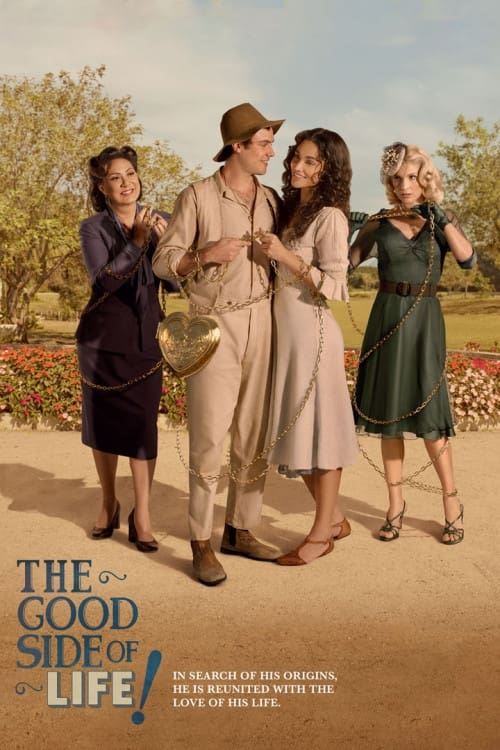
Êta Mundo Bom! begins in the rural town of São Paulo in the 1940s, where the main character, Candinho, is introduced as a kind-hearted but naive young man. He lives with his adoptive mother, who is a strict and controlling figure. Candinho is in love with a beautiful girl named Filomena, who is unaware of his feelings. Candinho's life takes a turn when he discovers that he is the son of a wealthy family, which leads him to embark on a journey to find his biological parents.
Candinho's journey begins when he receives a letter from his biological father, who is a wealthy landowner. He decides to leave his home and travel to the city to meet his father. Along the way, he encounters various characters, including the cunning and manipulative villain, Pancrácio, who tries to take advantage of Candinho's innocence. Pancrácio becomes a significant antagonist throughout the series, scheming to gain wealth and power.
As Candinho arrives in the city, he meets a series of colorful characters, including the kind-hearted but eccentric doctor, Dr. Pacheco, and the ambitious and scheming woman, Sandra. Candinho's naivety often leads him into trouble, as he struggles to navigate the complexities of city life. He faces numerous challenges, including being swindled by con artists and dealing with the harsh realities of urban living.
Meanwhile, Filomena, who has been left behind, is determined to find Candinho. She embarks on her own journey, facing obstacles and challenges as she searches for him. Her love for Candinho drives her to confront her own fears and insecurities, showcasing her growth as a character.
As the story progresses, Candinho learns more about his family's dark secrets. He discovers that his biological mother, who he believed to be dead, is actually alive and living in a different part of the city. This revelation adds complexity to his quest, as he grapples with feelings of betrayal and confusion.
Candinho's relationship with Filomena becomes more complicated as he meets other women, including the charming and manipulative Sandra, who tries to win his affection. Candinho is torn between his loyalty to Filomena and the allure of Sandra's charm. This love triangle creates tension and drama, as both women vie for Candinho's heart.
Throughout the series, Pancrácio's schemes become increasingly dangerous. He plots to take control of Candinho's inheritance, leading to confrontations that test Candinho's resolve. Candinho's innocence is challenged as he learns to stand up for himself and fight against Pancrácio's manipulations.
As the climax approaches, Candinho finally confronts his biological mother, leading to an emotional reunion filled with tears and revelations. This moment serves as a turning point for Candinho, as he begins to understand the complexities of family and love. He also realizes the importance of staying true to himself and his values.
In the final episodes, the various storylines converge as Candinho must make critical decisions about his future. He ultimately chooses to follow his heart, reaffirming his love for Filomena. Their reunion is filled with joy and relief, as they overcome the obstacles that have kept them apart.
The series concludes with a sense of hope and renewal. Candinho, now more mature and self-aware, embraces his identity and the love he shares with Filomena. The community comes together to celebrate their love, highlighting the themes of family, friendship, and the triumph of good over evil. The final scenes depict a bright future for Candinho and Filomena, leaving viewers with a sense of closure and happiness.









What is the ending?
In the ending of "Êta Mundo Bom!", the main characters find resolution in their personal conflicts and relationships. Candinho and Filomena finally unite in love, while other characters face their own fates, leading to a sense of closure for the community.
As the final episodes unfold, we see Candinho, who has faced numerous challenges throughout the series, finally confront his feelings for Filomena. After a series of misunderstandings and obstacles, including the manipulations of other characters, Candinho's determination and sincerity win Filomena's heart. They share a heartfelt reunion, solidifying their bond and promising a future together.
Meanwhile, the villainous characters, such as the scheming couple, face the consequences of their actions. Their plans unravel, leading to their downfall. The community comes together to support one another, showcasing the themes of love, forgiveness, and the triumph of good over evil.
The series concludes with a sense of hope and renewal, as the characters look forward to new beginnings, leaving behind the struggles of the past.
As the final act of "Êta Mundo Bom!" unfolds, the atmosphere is charged with anticipation and emotion. The sun rises over the small town, casting a warm glow that symbolizes new beginnings.
Scene 1: Candinho stands at the edge of the town square, his heart racing as he prepares to confront Filomena. He recalls their shared moments, the laughter, and the misunderstandings that have kept them apart. His determination is palpable; he knows he must express his true feelings to her.
Scene 2: Filomena, meanwhile, is in her home, surrounded by her family. She feels a mix of hope and anxiety, wondering if Candinho will finally come to her. Her heart flutters at the thought of their reunion, but she is also wary of the obstacles that have plagued their relationship.
Scene 3: As Candinho approaches Filomena's house, he takes a deep breath, steeling himself for what he hopes will be a life-changing moment. He knocks on the door, and when Filomena opens it, time seems to stand still. Their eyes meet, and the unspoken words hang in the air between them.
Scene 4: In a moment filled with tension, Candinho confesses his love for Filomena, recounting the trials they have faced and how they have only strengthened his feelings. Filomena, moved by his sincerity, admits that she has always loved him too. They embrace, tears of joy streaming down their faces, as the weight of their past struggles begins to lift.
Scene 5: Meanwhile, the antagonists of the story, who have schemed and plotted against Candinho and Filomena, find their plans unraveling. Their deceitful actions come to light, and the townspeople rally together to expose their wrongdoings. The once-powerful couple is left isolated, facing the consequences of their greed and manipulation.
Scene 6: The community gathers in the town square to celebrate the newfound love between Candinho and Filomena. There is laughter, music, and a sense of unity as everyone comes together to support the couple. The atmosphere is filled with joy, and the characters reflect on the importance of love, friendship, and standing up against injustice.
Scene 7: As the festivities continue, we see glimpses of other characters finding their own resolutions. The kind-hearted characters, who have supported Candinho and Filomena throughout their journey, are rewarded with happiness and fulfillment. The town, once divided by conflict, now stands united, ready to embrace a brighter future.
Scene 8: The final moments of the series capture Candinho and Filomena walking hand in hand, their faces illuminated by the setting sun. They look towards the horizon, filled with hope and dreams for what lies ahead. The camera pans out, showing the vibrant town and its people, a testament to the power of love and community.
In the end, each character finds their place in the world, having learned valuable lessons about love, resilience, and the importance of standing together against adversity. The series closes on a note of optimism, leaving viewers with a sense of closure and the belief that, despite life's challenges, happiness is attainable.
Is there a post-credit scene?
Êta Mundo Bom! does not have a post-credit scene. The show concludes with its final episode, wrapping up the storylines of the main characters without any additional scenes after the credits. The series ends on a positive note, showcasing the resolution of conflicts and the characters finding happiness, particularly highlighting the love story between Candinho and Anastácia, as well as the redemption of other characters. The finale emphasizes themes of love, forgiveness, and the importance of family, leaving viewers with a sense of closure.
What is the relationship between Candinho and Anastácia throughout the series?
Candinho and Anastácia share a deep and complex relationship that evolves significantly throughout the series. Initially, Candinho is portrayed as a naive and innocent young man, while Anastácia is a wealthy woman who has been wronged by her family. As the story unfolds, Candinho's loyalty and love for Anastácia grow, especially as he learns about her struggles and the injustices she faces. Their bond is tested by various obstacles, including misunderstandings and the manipulations of other characters, but ultimately, their love prevails, showcasing themes of resilience and devotion.
How does the character of Pancrácio influence the events in the story?
Pancrácio is a pivotal character in 'Êta Mundo Bom!' who serves as a mentor and father figure to Candinho. His influence is significant as he provides guidance and support to Candinho, helping him navigate the challenges he faces. Pancrácio's wisdom and experience often lead to comedic moments, but he also plays a crucial role in the development of the plot, particularly in his efforts to protect Candinho and Anastácia from the schemes of antagonistic characters. His character embodies the theme of friendship and loyalty, which resonates throughout the series.
What are the main conflicts between the characters of Eponina and her husband?
Eponina and her husband, the grumpy and often selfish Seu Justino, are embroiled in a series of conflicts that highlight their contrasting personalities. Eponina is portrayed as a caring and nurturing figure, while Seu Justino is often dismissive and critical. Their disagreements often stem from financial issues and differing views on family responsibilities. Eponina's desire for a harmonious family life clashes with Seu Justino's stubbornness, leading to comedic yet poignant moments that reflect the struggles of marriage and partnership. Their dynamic adds depth to the narrative, showcasing the challenges of love and compromise.
What role does the character of Sandra play in the love triangle involving Candinho?
Sandra is a key character in the love triangle that forms around Candinho, creating tension and emotional turmoil. Initially, she appears to be a romantic interest for Candinho, but her motivations are complicated by her own desires and the influence of her family. As the story progresses, Sandra's feelings for Candinho become entangled with her loyalty to her family, particularly her mother, who has her own agenda. This creates a conflict within Sandra, as she grapples with her affection for Candinho and the expectations placed upon her. Her character adds layers to the romantic plot, illustrating the complexities of love and choice.
How does the character of Mrs. Fátima impact the lives of the main characters?
Mrs. Fátima is a significant character whose actions and decisions have a profound impact on the lives of the main characters, particularly Anastácia and Candinho. As a manipulative figure, she often schemes to achieve her own goals, which frequently puts her at odds with the protagonists. Her jealousy and desire for power lead to various conflicts, creating obstacles that the main characters must overcome. Mrs. Fátima's presence in the story serves to heighten the stakes, as her machinations force Candinho and Anastácia to confront their challenges and ultimately strengthen their bond. Her character embodies the theme of rivalry and the struggle for justice.
Is this family friendly?
Êta Mundo Bom! is generally considered a family-friendly telenovela, filled with humor, romance, and light-hearted drama. However, there are a few scenes and themes that might be considered objectionable or upsetting for children or sensitive viewers:
-
Family Conflict: The show features various family disputes and misunderstandings that can lead to emotional distress among characters, which might be intense for younger viewers.
-
Deception and Betrayal: Several characters engage in deceitful behavior, including manipulation and betrayal, which could be confusing or upsetting for children who may not fully grasp the complexities of such actions.
-
Romantic Tensions: There are romantic entanglements that include jealousy and heartbreak, which may evoke strong emotions and could be challenging for sensitive viewers.
-
Social Issues: The show touches on themes of class disparity and social struggles, which might be difficult for younger audiences to understand fully.
-
Villainous Characters: Some characters exhibit villainous traits, engaging in schemes that can create tension and fear, which might be unsettling for children.
Overall, while the show maintains a light-hearted tone, these elements could be sensitive for some viewers, particularly younger children.